




Accessibility: How Do You Get There?
Ladakh offers more convenience, hands down. You can fly directly into Leh's airport from major Indian cities, which is a huge advantage for those short on time. From there, you can hire local transport to explore the region. For road trippers, both the Manali-Leh
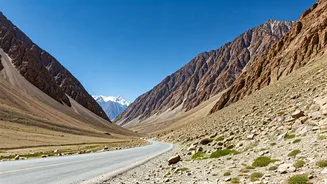
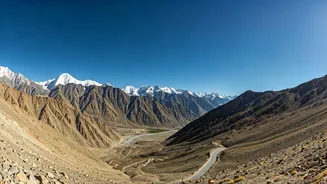
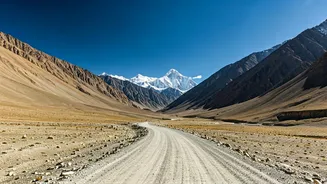
and Srinagar-Leh highways are fully operational in July, offering iconic drives. The Srinagar route provides a more gradual ascent, which can help with acclimatization. Spiti Valley, on the other hand, demands more commitment as it has no airport. The journey is the destination here. You can enter via two main road routes: from Manali or from Shimla. The Manali-Kaza highway, which typically opens by late June or early July, is shorter but more rugged and involves crossing the high-altitude Kunzum Pass. The route from Shimla via Kinnaur is longer, taking at least two days to reach Kaza, but remains open most of the year and allows for gentler acclimatization.
The Vibe: Crowds vs. Solitude
July is peak tourist season for Ladakh. Expect to share the stunning views of Pangong Tso, the sand dunes of Nubra Valley, and the high passes with plenty of other travellers. Leh is a bustling hub with a wide range of hotels, guesthouses, and restaurants catering to a high volume of tourists. This makes it a more social and well-supported travel experience. Spiti remains significantly quieter and less commercialized, even in July. It attracts travellers seeking a more offbeat and raw experience. The stay options are simpler, primarily consisting of homestays and small guesthouses, which offer a more intimate glimpse into local life. If your idea of a mountain holiday involves more solitude and reflection, Spiti is the clear winner.
Landscapes: Grand Scale vs. Raw Intimacy
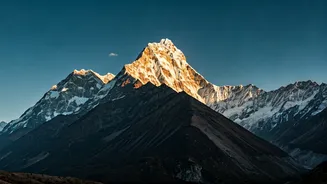
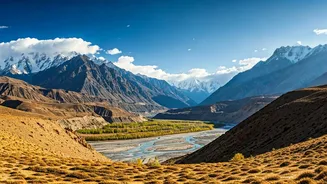
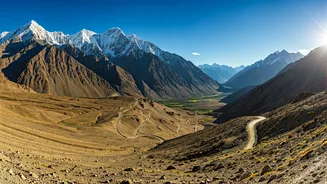
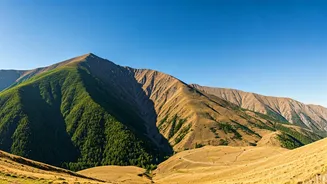
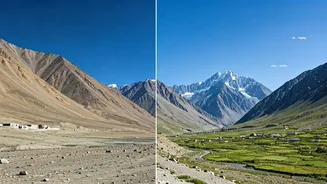
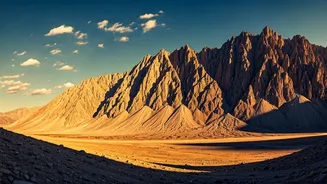
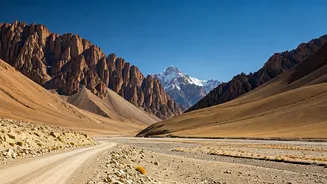
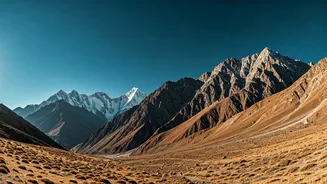
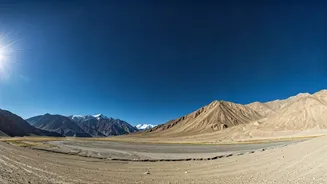
Both destinations offer jaw-dropping cold desert landscapes, but their character is different. Ladakh's landscapes are vast, dramatic, and incredibly varied. You have the surreal, multi-hued blues of Pangong and Tso Moriri lakes, the unique Bactrian camels on the sand dunes of Hunder in Nubra Valley, and the stark beauty of the Zanskar Valley. It’s a landscape of epic proportions. Spiti Valley's beauty is more intimate and rugged. The valley is narrower, with ancient monasteries like Key, Tabo, and Dhankar perched dramatically on cliffsides. You'll find charming high-altitude villages like Langza, Hikkim (home to the world's highest post office), and Komic, each offering a unique connection to the land and its culture. It feels less like a performance for tourists and more like a land simply existing in its spectacular, unfiltered state.
The Practicalities: Costs and Permits
Generally, Spiti Valley is the more budget-friendly option. The primary reason is transport; reaching Spiti by road is cheaper than flying to Leh. Accommodation and food costs are also lower in Spiti, with its abundance of affordable homestays. A trip to Ladakh, with its higher taxi union rates, pricier hotels in Leh during peak season, and flight costs, tends to be more expensive. For permits, Indian tourists do not need an Inner Line Permit (ILP) for most parts of Spiti Valley, though you should always carry valid ID for registrations at checkpoints. In Ladakh, Indian tourists do need an ILP to visit protected areas like Nubra Valley, Pangong Lake, and Tso Moriri, which can be easily obtained online or in Leh.
Activities and Sightseeing
In July, all of Ladakh's main attractions are accessible. This includes its famous high-altitude lakes (Pangong Tso, Tso Moriri), valleys (Nubra, Zanskar), and monasteries (Hemis, Thiksey). Adventure activities like river rafting on the Indus and Zanskar rivers and mountain biking are popular. Ladakh also hosts vibrant cultural events like the Hemis festival, which often takes place in July. Spiti also offers a wealth of experiences. You can explore ancient monasteries like Key and Tabo, visit the stunning Chandratal Lake (which is usually accessible by July), and send a postcard from the world's highest post office in Hikkim. The Pin Valley National Park offers a glimpse into the region's unique wildlife. Stargazing in Spiti's clear, dark skies is another unforgettable activity.