




A New Home for the Asiatic Lion
Once the exclusive domain of Gir, the Asiatic lion has found a second home. The Barda Wildlife Sanctuary is now officially recognised as a crucial satellite habitat. The story began in January 2023 with the natural dispersal of a male lion into the area,
an event unseen since 1879. Following this, the Gujarat Forest Department introduced five females to establish a breeding population. By late 2026, the sanctuary is home to a growing pride of 17 lions, including adults and cubs, marking a major success for Project Lion, India's national conservation program. This move is vital for the species' long-term survival, creating a crucial buffer against threats like disease that could devastate a single population.
Beyond the Lions: Barda's Rich Biodiversity
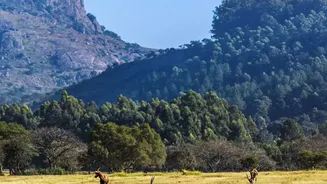
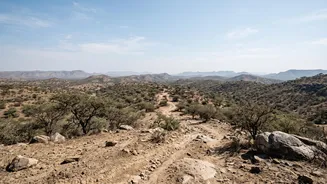
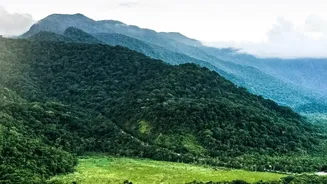
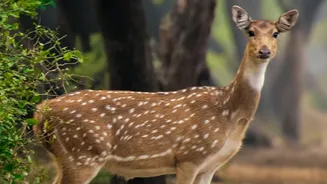
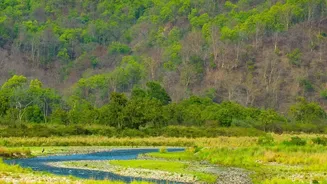
While the return of lions has captured headlines, Barda is a rich ecosystem with a diverse array of flora and fauna. The 192-square-kilometre sanctuary, with its hilly terrain, dry deciduous forests, and scrublands, is home to leopards, striped hyenas, jackals, and nilgai (blue bulls). To support its apex predators, the forest department has been actively strengthening the prey base by reintroducing hundreds of chital (spotted deer) and sambar. The sanctuary boasts over 650 species of plants, making it a hotspot of floral diversity. It is also an excellent destination for birdwatchers, with numerous resident and migratory species to spot near its two reservoirs, Khambala and Fodara.
How to Reach the Sanctuary
Barda Wildlife Sanctuary is located in the Saurashtra region, straddling the Porbandar and Devbhumi Dwarka districts. The most convenient base for a visit is Porbandar, which is just 15-20 km away. By Air: Porbandar Airport offers the nearest air connectivity, with links to major Indian cities. From the airport, you can hire a private taxi for the final leg of the journey. By Train: Porbandar Railway Station is well-connected to other cities in Gujarat like Ahmedabad and Rajkot. By Road: The sanctuary is easily accessible by road. Private taxis from Porbandar or nearby towns are the most flexible option for reaching the safari entry points. State buses also run to nearby towns like Ranavav.
Planning Your Safari and Visit
The best time to visit Barda is during the winter months, from November to February, when the weather is cool and pleasant, offering ideal conditions for wildlife sightings. The sanctuary's jungle safari is typically closed during the monsoon season, from mid-June to mid-October. Regulated jeep safaris were launched in 2024, providing a structured way to explore the forest with an authorised vehicle and guide. Safaris usually operate in morning and evening slots, as this is when animals are most active. It is highly recommended to book your safari in advance through official channels to avoid disappointment, as this is an emerging tourist destination and facilities are still developing.
Essential Tips for a Responsible Trip
A visit to a wildlife sanctuary comes with the responsibility to protect its delicate ecosystem. When visiting Barda, always follow the instructions of your guide and forest department officials. Maintain silence to avoid disturbing the animals and increase your chances of a sighting. Do not carry plastic or litter inside the park; what you take in, you must bring out. Wear comfortable, closed-toe shoes and muted, earth-toned clothing to blend in with the surroundings. Carry essentials like water, sunscreen, a hat, and any personal medications, as there are no shops inside the sanctuary. Remember, you are a guest in the animals' home. Respect their space to ensure a safe and rewarding experience for everyone.