




A Masterclass in Rock-Cut Architecture
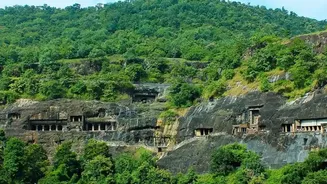
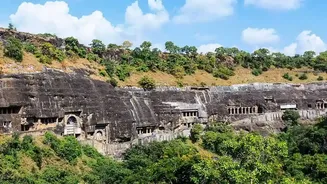
Long before modern engineering, artisans in ancient India achieved the unthinkable: they didn't just build temples, they carved entire monolithic sanctuaries out of mountainsides. Sites like the Ajanta and Ellora caves in Maharashtra stand as premier
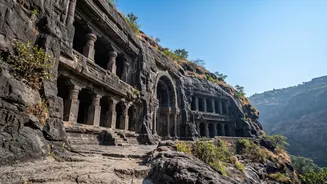
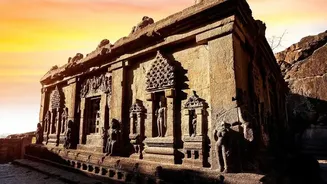
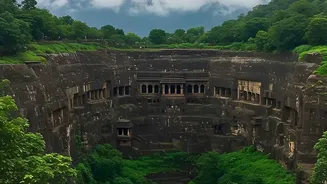
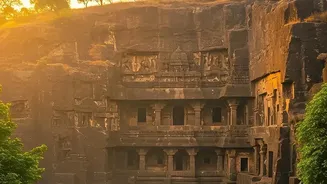
examples of this incredible rock-cut architecture. The tradition, dating back over two millennia to early sites like the Barabar Caves in Bihar, saw its zenith in the Deccan region. Unlike structures built from the ground up, these temples were excavated downwards and inwards from solid basalt cliffs. The Kailasa Temple at Ellora (Cave 16) is perhaps the most breathtaking example — a colossal structure dedicated to Lord Shiva, carved from a single, massive rock. This feat required unimaginable vision and precision, creating spaces that feel both monumental and deeply sacred.
Where Art and Faith Intersect
The enduring appeal of these caves lies not just in their construction, but in the art that adorns their walls. The Ajanta caves, a series of 30 Buddhist caves, are world-renowned for their vibrant mural paintings. These artworks, some dating to the 2nd century BCE, depict tales from the Buddha's life (Jataka tales) and offer a vivid glimpse into the society, culture, and beliefs of the time. The artists used natural pigments on a layer of plaster, creating expressive figures that seem to convey emotion across centuries. Ellora, by contrast, is celebrated for its remarkable synthesis of three major Indian religions: its 34 caves include Buddhist, Hindu, and Jain temples, each with its own distinct sculptural and architectural style. This religious harmony carved in stone makes Ellora a unique symbol of India's historic pluralism.
A Journey Through Time
For centuries, these caves served as monasteries (viharas) and prayer halls (chaityas) for monks, especially during the monsoon. They were also vital resting spots for pilgrims and merchants travelling along ancient trade routes, making them bustling centres of cultural and intellectual exchange. Rediscovered in 1819 by a British officer during a tiger hunt, the Ajanta caves were hidden by dense jungle for centuries, which helped preserve their delicate paintings. For a modern traveller, visiting these UNESCO World Heritage Sites is like stepping into a different era. The sheer scale, the quiet reverence within the prayer halls, and the intricate details in every sculpture and painting offer a profound connection to India's rich spiritual and artistic heritage.
Planning Your Subterranean Adventure
The good news for today's travellers is that these magnificent sites are highly accessible. Aurangabad (now Chhatrapati Sambhajinagar) serves as the primary gateway to both Ajanta (around 100 km away) and Ellora (around 30 km away). For those looking for a structured and hassle-free experience, organisations like the Indian Railway Catering and Tourism Corporation (IRCTC) offer various tour packages. While a specific six-day tour might vary, IRCTC frequently provides rail and land packages that combine visits to Ajanta and Ellora with other significant sites in Maharashtra like Shirdi, Grishneshwar Jyotirlinga Temple, and Daulatabad Fort. These tours typically handle transport, accommodation, and sometimes guides, allowing travellers to immerse themselves in the experience without worrying about logistics. The best time to visit is generally between October and March, when the weather is cool and pleasant for exploring these expansive complexes.