

India's Sodium Overload
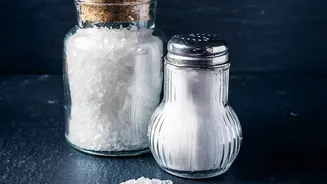
On average, Indians consume 8 to 11 grams of salt daily, which is nearly double the World Health Organization's recommended limit of 5 grams. This high intake is a primary driver of hypertension, or high blood pressure, which affects a vast portion of the country's
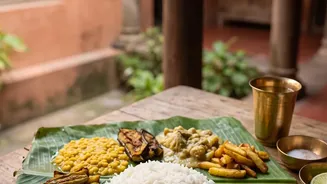
population and is a major risk factor for cardiovascular diseases like heart attacks and strokes. Experts note that high salt intake is responsible for an estimated 175,000 deaths in India annually. The majority of this sodium, nearly 80%, comes not from processed foods, but from the salt added during cooking in our own homes, making household choices a critical focus for public health intervention.
What Exactly Is The Proposal?
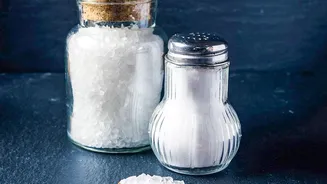
A consensus statement has been released by leading experts from fields like cardiology, public health, and nutrition, recommending the widespread adoption of lower-sodium salt substitutes (LSSS). These are not salt-free products, but rather reformulated versions where a portion of the sodium chloride (regular salt) is replaced with potassium chloride. Typically, these substitutes contain about 70-75% sodium chloride and 25-30% potassium chloride. The idea is to reduce sodium intake while simultaneously increasing potassium, a mineral that helps counteract the effects of sodium and can lower blood pressure. This recommendation follows similar guidelines issued by the WHO.
The 29-Member Expert Panel
The recommendation is backed by a 29-member panel of Indian medical and public health experts. This group, including specialists in cardiology and nephrology, convened at a conference organised by The George Institute for Global Health India and Resolve to Save Lives. Their role was to review the extensive scientific evidence, including major international studies and trials conducted in India, and form a consensus on the viability of LSSS as a public health strategy. Their statement calls for integrating these substitutes into national sodium-reduction strategies and for the Food Safety and Standards Authority of India (FSSAI) to formally recognise potassium-enriched iodised salt as an approved category of 'edible salt'.
The 'Dietary Vaccine' and Its Risks
Proponents, like Professor Ambuj Roy of AIIMS, New Delhi, have called lower-sodium salt a 'dietary vaccine' and the 'low-hanging fruit' of cardiology because it offers a passive way to improve cardiovascular health without asking people to sacrifice the taste of their food. Research has shown that using LSSS can significantly reduce the risk of stroke by 14% and death from cardiovascular events by 12%. However, the switch is not without its caveats. The increased potassium can be risky for individuals with advanced chronic kidney disease, as their bodies may not be able to process it effectively, leading to a dangerous buildup known as hyperkalemia. Therefore, experts stress the need for clear labelling and caution for those with specific health conditions.
What Are The Next Steps?
For this proposal to become a reality, several steps are needed. The expert panel has recommended that the government support the use of LSSS in large-scale food programmes like mid-day meals and public distribution systems to normalise their use and bring down costs. Regulatory changes are also required from the FSSAI to create clear standards and labelling guidelines for these products. The goal is to close the 'evidence-to-action' gap, making these healthier salt alternatives more accessible, affordable, and understood by the general public. While it remains a proposal, the strong consensus from the scientific community marks a significant push towards making this dietary change a key part of India's national health strategy.