



A Fundamental Shift in Travel
Forget rigid itineraries and crowded airports. A significant transformation is underway in how Indians approach leisure. There's a clear pivot towards valuing experiences, flexibility, and control, and nothing embodies this better than a road trip. The trend
is especially pronounced among younger travellers, with Millennials and Gen Z leading the charge. This demographic increasingly prefers multiple short breaks over a single long holiday, a pattern perfectly suited to weekend driving getaways. Data from 2025 showed that trips under two days made up a staggering 71% of road travel, confirming the nation's love affair with the quick escape. This isn't just about convenience; it's a cultural shift. Travellers today, particularly the younger generations, are motivated by personal growth, wellness, and creating unique memories—all of which are hallmarks of a journey where the drive itself is part of the destination.
The Highway Revolution
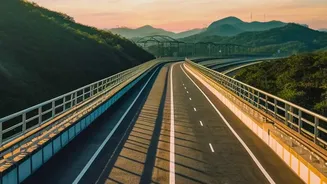
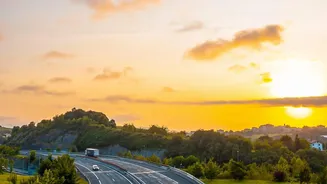
A key enabler of this boom is the dramatic improvement in India's road infrastructure. The country now boasts the world's second-largest road network, with the national highway system expanding by over 60% since 2014. This has done more than just connect cities; it has slashed travel times and made previously hard-to-reach destinations accessible for a weekend trip. Uber's Intercity Travel Index highlights that while major metro-to-metro routes remain popular, the fastest growth is now on routes connecting Tier-2 cities and leisure destinations. Corridors like Delhi-Dehradun and Chennai-Puducherry are seeing a surge in traffic, as better roads make driving faster and more convenient. This infrastructure push has opened up a world of possibilities for regional tourism, allowing travellers to explore heritage sites, pilgrimage centers, and scenic getaways that were once too impractical for a short break.
Technology in the Driver's Seat
The rise of the road trip is inextricably linked to the growth of the self-drive car rental market, which is booming in India. Expected to be a ₹5,000 crore market in 2026, the self-drive segment is growing at 20-25% annually. This growth is fuelled by a changing mindset, particularly among urban youth, who increasingly favour access to a vehicle over the hassles and costs of ownership. Digital platforms and apps have made booking a car for the weekend as simple as ordering food. More than two-thirds of all car rentals in 2025 were booked online. This digital convenience, combined with the reliability of GPS navigation and the option to choose from various vehicle types like SUVs—which are seeing a rise in popularity for group travel—has removed major barriers to planning a spontaneous road trip.
The New Weekend Itinerary
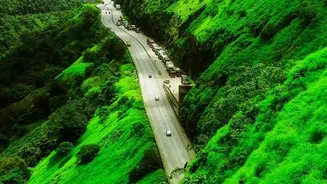
So, where are these travellers headed? The data points to a strong preference for domestic tourism, with 60% of Indian travellers in a 2026 survey planning to holiday within the country. Popular routes often connect major cities to nearby retreats: Mumbai-Pune, Bengaluru-Mysuru, and Delhi-Agra remain classic choices. However, the real story is the growth in regional and Tier-2 city travel. Routes like Ahmedabad-Vadodara and even Thrissur-Kochi are driving strong growth, indicating a desire to explore one's own backyard. The trend is also powered by the strategic use of long weekends, where travellers combine public holidays with a day or two of leave to create more frequent, shorter breaks. Whether it's a wellness retreat, a visit to a heritage site, or simply a drive to the hills for some fresh air, the Indian weekend is being reclaimed by the open road.