





A Different Kind of Brew
When one pictures a cup of tea in India, the image is almost invariably that of masala chai: a robust, sweet, milky concoction brewed with black tea leaves and a blend of spices. It's the comforting beverage that fuels conversations from bustling city
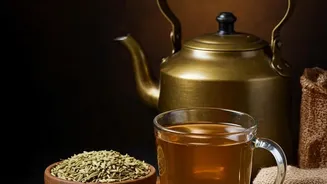
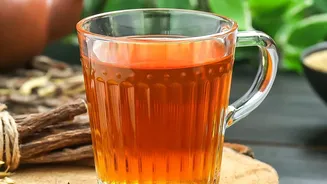
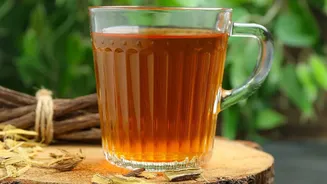
streets to quiet village homes. Yet, venture higher into the formidable Himalayas, and you'll discover a tradition that predates this widespread culture. Here, in remote communities across states like Uttarakhand, Sikkim, and Arunachal Pradesh, tea is often a clear, fragrant infusion, or 'tisane', brewed entirely without milk. These are not just drinks; they are a form of liquid heritage, a reflection of the unique biodiversity and traditional wisdom of the mountains.
The Mountain's Pharmacy in a Cup
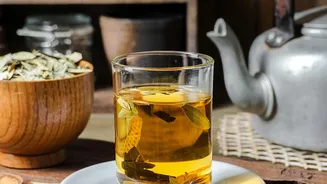
In the Himalayas, herbal teas are deeply connected to wellness and the environment. For generations, local healers and households have relied on the abundant flora for health. These brews are often caffeine-free and are seen as remedies for common ailments, aids for acclimatising to high altitudes, and sources of essential nutrients. The harsh climate and clean environment are believed to enhance the medicinal properties of these plants, turning a simple cup of hot water and herbs into a potent elixir. This tradition stands in contrast to commercial tea cultivation, focusing instead on sustainable foraging and small-scale farming practices passed down through generations.
Sikkim's Blossoming Rhododendron Tea
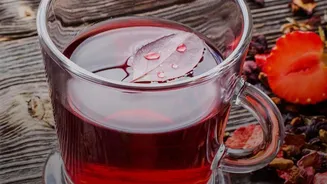
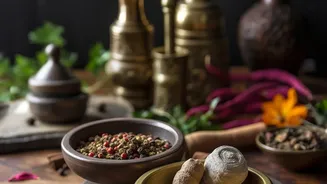
In Sikkim, the arrival of spring is marked by hillsides awash in the vibrant reds and pinks of rhododendron flowers. Locally known as 'Buransh', these blossoms are not just for show. The dried petals are brewed into a beautiful, ruby-hued tea that is both a welcoming drink for guests and a traditional remedy. The tea has a delicate floral taste and is valued for its anti-inflammatory properties, often used to aid digestion and respiratory health. To prepare it, dried flowers are simply steeped in hot water, sometimes with a touch of sweetness added. This practice showcases a deep-rooted connection between the region's ecology and its cultural traditions.
Uttarakhand's Stinging Nettle Secret
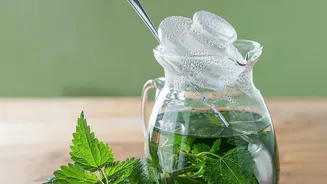
One of the most surprising and widespread herbal infusions in the Himalayan region, particularly in Uttarakhand, is made from stinging nettle, known locally as 'Bichhu Ghas' or 'Kandali'. While the fresh plant is known for its painful sting, drying the leaves neutralises the irritants, unlocking a powerhouse of nutrients. Nettle tea brews into a deep green, earthy-tasting beverage that is rich in iron, calcium, and vitamins. Traditionally, it is consumed as a blood purifier and to alleviate joint pain and combat fatigue. The preparation is simple: dried leaves are steeped in hot water, creating a brew that is both nourishing and deeply grounding, a true taste of the mountains' resilience.
A Legacy in a Leaf
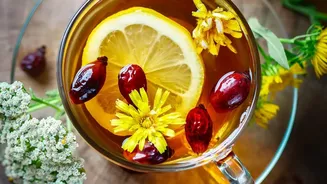
The herbal infusions of the Himalayas are more than just beverages; they represent a vast repository of ethnobotanical knowledge. From the sacred Tulsi (Holy Basil) grown in courtyards to Chamomile that aids relaxation and Lemongrass for a citrusy lift, each plant has a story and a purpose. These teas are a direct link to the land, brewed from handpicked ingredients sourced from forests and kitchen gardens. However, this traditional knowledge faces challenges from changing lifestyles and the availability of modern alternatives. As such, these ancient recipes are not just a matter of taste but are a vital part of a cultural and natural heritage that requires preservation and respect.