


The Real Monsoon Problem: Humidity
While we love the respite from the heat, the monsoon brings relentless humidity that seeps into our homes. This airborne moisture is the true culprit behind most seasonal decor disasters. Wood expands and warps, making doors and drawers stick. Fabrics
absorb moisture, leading to a persistent musty odour and becoming breeding grounds for mould and mildew. Walls can show damp patches, and even metal can corrode if not chosen carefully. This constant battle against dampness is prompting a decor shift, moving the focus from purely aesthetic choices to smart, material-conscious decisions that are built to last through India's diverse and demanding climates. Understanding how different materials react to moisture is the first step toward a monsoon-proof home.
Rethinking Wood: From Solid to Smart
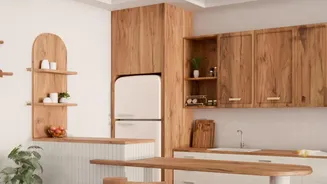
Traditional solid wood furniture can be a casualty of high humidity, leading to swelling and damage. However, you don't have to give up the warmth of wood. The key is to choose wisely. Teak is considered the gold standard, as its natural oils make it highly resistant to moisture and pests. Sheesham and acacia are also excellent, durable choices for the Indian climate. For a more modern and often budget-friendly approach, engineered woods are a fantastic solution. Boiling Water Proof (BWP) or Marine-grade plywood is specifically designed for high-moisture zones like kitchens and bathrooms, preventing warping and delamination. For wardrobes and beds, Boiling Water Resistant (BWR) plywood is a reliable option. When these boards are finished with a laminate or acrylic sealant, they create an effective barrier against dampness, ensuring your furniture remains stable and stylish.
Fabric Focus: Light, Airy and Quick to Dry
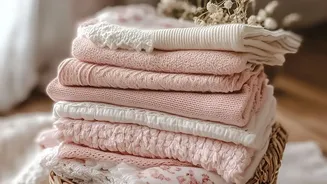
Heavy fabrics are a major misstep in monsoon decor. Thick velvets, brocades, and even some dense cottons act like sponges, soaking up humidity from the air. This not only makes them feel perpetually damp but also leads to mildew and unpleasant smells. The modern approach is to swap these for lightweight, breathable textiles. Pure cotton and linen are excellent choices for curtains, cushion covers, and bedspreads as they allow air to circulate freely and dry quickly. For an even better performance, consider cotton blends with polyester or rayon, which retain a soft feel while repelling moisture more effectively. Bamboo fabric is another standout, prized for its moisture-wicking and naturally antibacterial properties. Using sheer or lace curtains instead of heavy drapes is a simple yet effective swap that brightens rooms and improves airflow.
Woven Wonders and Metal Accents
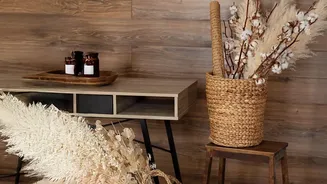
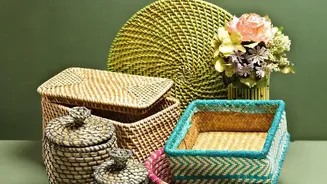
The decor shift also embraces materials that are naturally suited to humid conditions. Furniture made from rattan, cane, and wicker is making a huge comeback, and for good reason. Their woven structure is inherently breathable, preventing any moisture from getting trapped. They are also lightweight, making it easy to rearrange rooms or move furniture away from damp walls—a recommended practice during the monsoon. Alongside these natural materials, metals and glass are unsung heroes of monsoon decor. Powder-coated or stainless steel furniture, glass-topped tables, and acrylic chairs are completely impervious to humidity. They don’t swell, rot, or harbour mould, making them a durable and low-maintenance choice. These materials add a sleek, modern contrast to softer textiles and woods, creating a balanced and resilient interior.
The Foundation: Floors and Walls
Your first line of defence against humidity starts with your home's surfaces. For flooring, materials that don't absorb water are ideal. Vitrified tiles, ceramic tiles, and natural stones like granite or marble are top choices for humid climates as they are easy to clean and remain unaffected by moisture. When it comes to walls, a simple coat of paint can make a significant difference. Opting for anti-fungal or mould-resistant paints creates a protective barrier that prevents mildew from growing, especially on walls exposed to rain. Taking these foundational steps ensures that the core of your home is prepared, making it easier for your carefully chosen furniture and decor to stay fresh and dry throughout the season.