


The Hidden Dangers in Festive Sweets
To meet the massive festive demand and cut costs, some sweet makers resort to dangerous practices. The most common target for adulteration is khoya or mawa, the milk-based solid that forms the foundation of many Indian sweets. Instead of pure milk, it
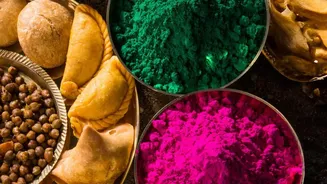
can be bulked up with starch, blotting paper, or even urea. Fats like pure ghee may be replaced with cheaper, unhealthy vegetable oils. Another major concern is the use of non-permitted, industrial dyes like metanil yellow to give sweets a vibrant, attractive colour. These shortcuts significantly increase profits for unscrupulous vendors but pose serious health risks to unsuspecting consumers.
From Stomach Aches to Serious Illness
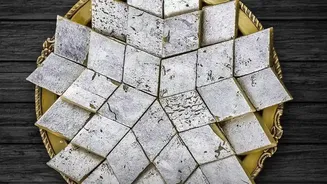
The health consequences of consuming adulterated sweets range from mild to severe. Starch-laden or contaminated khoya can cause stomach upsets and food poisoning, quickly spoiling festive cheer. The risks from chemical additives are far more sinister. Non-permitted food colours like metanil yellow have been linked to neurotoxicity in animal studies and other adverse health effects. Consuming sweets laced with such chemicals can potentially lead to long-term damage to the kidneys and liver. Another common adulterant, fake silver leaf ('vark') made from aluminium instead of pure silver, introduces toxic heavy metals into the body.
What 'Certified Mithai' Really Means
This is where certification becomes your most powerful tool. In India, the Food Safety and Standards Authority of India (FSSAI) is the governing body responsible for setting and enforcing food safety regulations. A sweet shop displaying a valid FSSAI license number is legally bound to follow strict guidelines regarding hygiene, raw material quality, and manufacturing processes. This certification is not just a piece of paper; it's a guarantee that the business is subject to regular inspections and its products are monitored for safety. FSSAI has also mandated that sweet shops must display the 'Best Before Date' for non-packaged items, giving consumers more power to choose fresh and safe products.
How to Be a Smart Mithai Shopper
Protecting your family starts with being an alert consumer. Always look for the FSSAI license number prominently displayed at the sweet shop. You can even verify the license's authenticity on the FSSAI's FoSCoS web portal. Be wary of sweets that are unnaturally bright or vibrant, as they may contain industrial dyes. Prefer shops that are clean and maintain good hygiene standards. It's also wise to buy from trusted, reputable vendors rather than being tempted by unusually low prices, which can be a red flag for poor-quality ingredients. Whenever possible, opt for packaged sweets that have the FSSAI logo, manufacturing date, and expiry date clearly printed.
Simple Tests for Purity at Home
You don't need a laboratory to run a few basic checks. To test for adulterated silver 'vark', rub a small piece between your fingers. Pure silver will dissolve into the skin, while fake aluminium foil will roll into a tiny, greasy ball. To check for starch in khoya, dissolve a small amount in hot water, let it cool, and add a drop of iodine solution. If the mixture turns blue, it confirms the presence of starch. Pure khoya should also feel slightly grainy and leave a greasy residue on your palm. While these tests are not exhaustive, they can help you spot some of the most common and dangerous forms of adulteration.