





The Monsoon's Fading Act
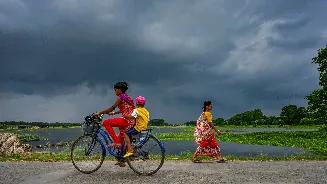
September is typically the month the southwest monsoon begins its withdrawal, but it's still expected to provide significant rainfall. However, this year tells a different story. The India Meteorological Department (IMD) has forecast below-normal rainfall for September across
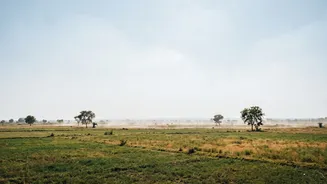
most of the country. This follows a trend seen in August 2026, which was the warmest August recorded in India since 1901, with a significant rainfall deficit. The cumulative rainfall from June to August has already been well below average. This lack of rain is a primary driver of the unseasonal heat, as dry soil and air heat up much faster than moist conditions.
The Science of Missing Clouds
Cloud cover plays a crucial role in regulating temperature. During the day, clouds act like a natural sunshade, reflecting a portion of the sun's radiation back into space and keeping surface temperatures cooler. When the monsoon is weak and cloud formation is suppressed, more direct, uninterrupted solar radiation reaches the ground. This rapidly heats the land, leading to higher daytime temperatures. Studies have shown a strong negative correlation between low cloud cover and maximum temperatures in India. The absence of rain-bearing clouds not only means less precipitation but also more intense sunshine, creating a dual-impact that fuels the heat.
The El Niño Connection
A major global climate pattern influencing this year's weak monsoon is El Niño. The IMD has confirmed that strong El Niño conditions are prevailing over the equatorial Pacific Ocean, and these are expected to strengthen further. El Niño is characterized by the warming of sea surface temperatures in the Pacific, which disrupts atmospheric circulation patterns globally. For India, El Niño years are often associated with suppressed monsoon rainfall, leading to drought-like conditions and higher temperatures. This large-scale phenomenon is a key reason for the reduced cloud formation and rainfall that is allowing September temperatures to soar.
Impact on Agriculture and Water
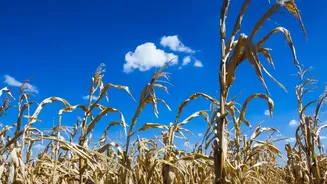
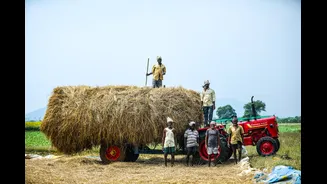
The consequences of a dry and hot September are significant, particularly for agriculture. The lack of rain during this crucial crop-maturing phase can hurt the yields of summer-sown (Kharif) crops like rice, soybeans, and pulses. It also depletes soil moisture, which is vital for the upcoming winter (Rabi) planting season. Farmers may face increased costs as they rely more on irrigation to save their standing crops. Furthermore, deficient rainfall affects the replenishment of water reservoirs, which are critical for drinking water supply, hydropower generation, and irrigation through the dry season. The IMD has advised stakeholders to prepare with water conservation and agricultural contingency plans.
Rising Temperatures and Health Risks
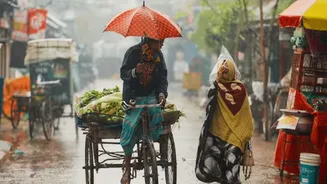
Beyond the environmental and agricultural impact, the heat poses direct health risks. The IMD has forecast that both maximum and minimum temperatures are likely to be above normal for most of the country in September. Warmer nights are particularly dangerous as they prevent the body from cooling down, increasing the risk of heat stress and heat-related illnesses. High temperatures, especially when combined with humidity, can be extremely taxing on the human body, with the elderly, children, and outdoor workers being the most vulnerable. This extended heat period serves as a stark reminder of the growing public health challenges posed by extreme weather.