





Embrace the Bucket, Cut the Shower
The traditional bucket bath is one of the most effective water-saving methods for Indian households. A standard shower can use upwards of 60 litres of water, whereas a bucket bath typically uses only 15-20 litres. By making this simple switch, a family
of four can save over 150 litres of water every single day. If you prefer showers, aim to keep them under five minutes. Installing a low-flow showerhead can also dramatically reduce water flow without sacrificing pressure, saving thousands of litres annually.
Reuse Every Drop of RO Water
Reverse Osmosis (RO) purifiers are common in urban Indian homes, but they are notoriously inefficient, wasting 2-3 litres of water for every litre they purify. This 'reject water' is not suitable for drinking due to its high concentration of dissolved solids, but it's perfect for many other tasks. Collect this water in a bucket and use it for mopping floors, flushing toilets, washing your car, or cleaning balconies. Given that a household might generate 15-20 litres of RO wastewater daily, reusing it is a high-impact habit that requires minimal effort.
Conduct a Leak Audit
A single dripping tap might seem insignificant, but it can waste thousands of litres of water per year. A constantly running toilet can be even worse. Dedicate an hour to checking every tap, pipe, and toilet flush in your home for leaks. A simple way to check your toilet cistern for a silent leak is to add a few drops of food colouring to the tank; if the colour appears in the bowl without flushing, you have a leak that needs fixing. These small repairs often require just a new washer or a minor adjustment and can lead to substantial water and cost savings.
Run Full Loads Only
Modern washing machines and dishwashers are designed for efficiency, but only when used correctly. Running a washing machine or dishwasher with only a few items uses nearly the same amount of water as a full load. Make it a rule to only run these appliances when they are completely full. For laundry, this might mean washing clothes a little less frequently. This simple discipline ensures you get the most out of every cycle and can save thousands of litres of water each month, reducing both water and electricity bills.
Adopt Water-Wise Kitchen Practices
The kitchen is a hub of water usage, but small changes can lead to big savings. Instead of washing fruits and vegetables under a running tap, fill a bowl with water and wash them in it. The leftover water can then be used for watering houseplants. Similarly, when washing dishes by hand, avoid leaving the tap running. Use one basin for soaking and scrubbing and another for rinsing. These mindful habits prevent fresh, clean water from going directly down the drain.
Turn Off the Tap—Always
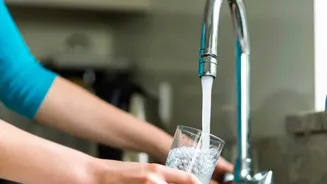
It's the oldest advice in the book for a reason: it works. Leaving the tap running while you brush your teeth, shave, or lather your hands can waste over six litres of water per minute. Instilling the habit of turning the tap off during these short intervals is one of the easiest and most effective ways to cut down on daily water consumption. It's a behavioural change that costs nothing but contributes significantly to conservation efforts when adopted by millions.