





Why Your Dream Trip Costs More
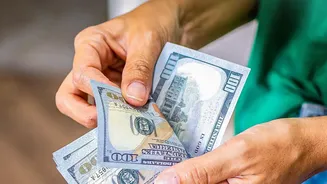
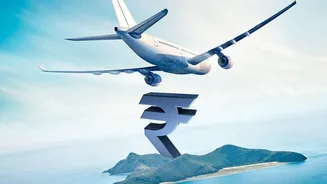
The core of the issue lies in the exchange rate between the Indian Rupee (INR) and the US Dollar (USD). When the rupee weakens, it means you need to spend more rupees to buy a single US dollar. For instance, if the rate moves from ₹90 to ₹95 for $1, everything
priced in dollars effectively becomes more expensive for you. As of late August 2026, the rupee has been hovering around the 95 mark against the dollar, a significant depreciation over the past year. This directly impacts the cost of outbound travel, with some estimates suggesting trips have become 10-20% costlier due to currency fluctuations alone.
The Dollar's Dominance in Global Travel
But what if you're travelling to Europe, Thailand, or the UK, and not the United States? The impact is still felt. The US dollar is a dominant currency in many international transactions. Key components of your trip, especially airfare, are often benchmarked or traded in USD. Aviation fuel, for example, is priced in dollars, so a weaker rupee can lead to higher ticket prices globally. Similarly, many international hotel chains and tour operators may price their services in dollars, which means the final cost in rupees will be higher when the rupee is weak.
Where the Weaker Rupee Hits Your Wallet
A depreciating rupee has a ripple effect across your entire travel budget. Flights and accommodation, the two biggest expenses, see the most direct impact. But it doesn't stop there. On-the-ground expenses like food, sightseeing, local transport, and shopping all become more expensive as your rupees convert to less foreign currency. A family that budgeted ₹5,00,000 for a trip a year ago might find the same holiday costing upwards of ₹5,30,000 or more today, purely due to the exchange rate.
Strategy 1: Choose Your Destination Wisely
A falling rupee doesn't mean you have to cancel your plans; it just means you need to be a smarter traveller. The most effective strategy is to choose destinations where the Indian rupee holds a stronger value. While countries in Europe and North America become pricier, many beautiful destinations remain incredibly affordable. Consider Southeast Asian gems like Vietnam, Indonesia, and Cambodia, where the rupee stretches much further. Other options include Hungary in Eastern Europe, or Uzbekistan and Laos in Asia, all of which offer rich cultural experiences without breaking the bank.
Strategy 2: Book Early and Pay in Rupees
To protect yourself from further currency depreciation, book your flights and hotels as far in advance as possible. This helps lock in costs before they potentially rise. When booking, try to use Indian travel portals or airline websites that allow you to pay the full amount in INR. This can help you avoid dynamic currency conversion fees and gives you certainty about the final cost. Paying in local currency when you are abroad is also a wise move to avoid extra conversion charges that can be applied when you choose to pay in INR on foreign machines.
Strategy 3: Manage Your Money Abroad
Avoid exchanging large amounts of cash at airport kiosks, which are notorious for their high fees and poor exchange rates. A better approach is to use a multi-currency forex card, which allows you to lock in an exchange rate before you travel and is widely accepted. It’s also wise to inform your domestic bank about your travel plans to ensure your credit and debit cards work smoothly. For credit cards, opt for one with low or zero foreign transaction fees, as these can add up significantly. Carrying some local currency in cash for small expenses is always a good idea.