


Decoding Weather Alerts
The India Meteorological Department (IMD) uses a four-colour system to communicate weather risks. A Green alert means all is well and you can proceed with your plans. A Yellow alert is a signal to 'Be Aware', suggesting you should monitor the weather as
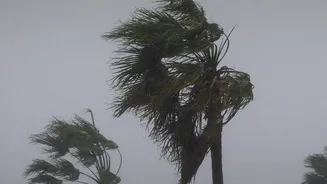
conditions could worsen and cause minor disruptions. An Orange alert means 'Be Prepared' for potentially bad weather that could disrupt travel and power. A Red alert is the most serious, advising you to 'Take Action' as severe conditions pose a significant threat to life and property, and all non-essential travel should be avoided.
Smart Destination Choices
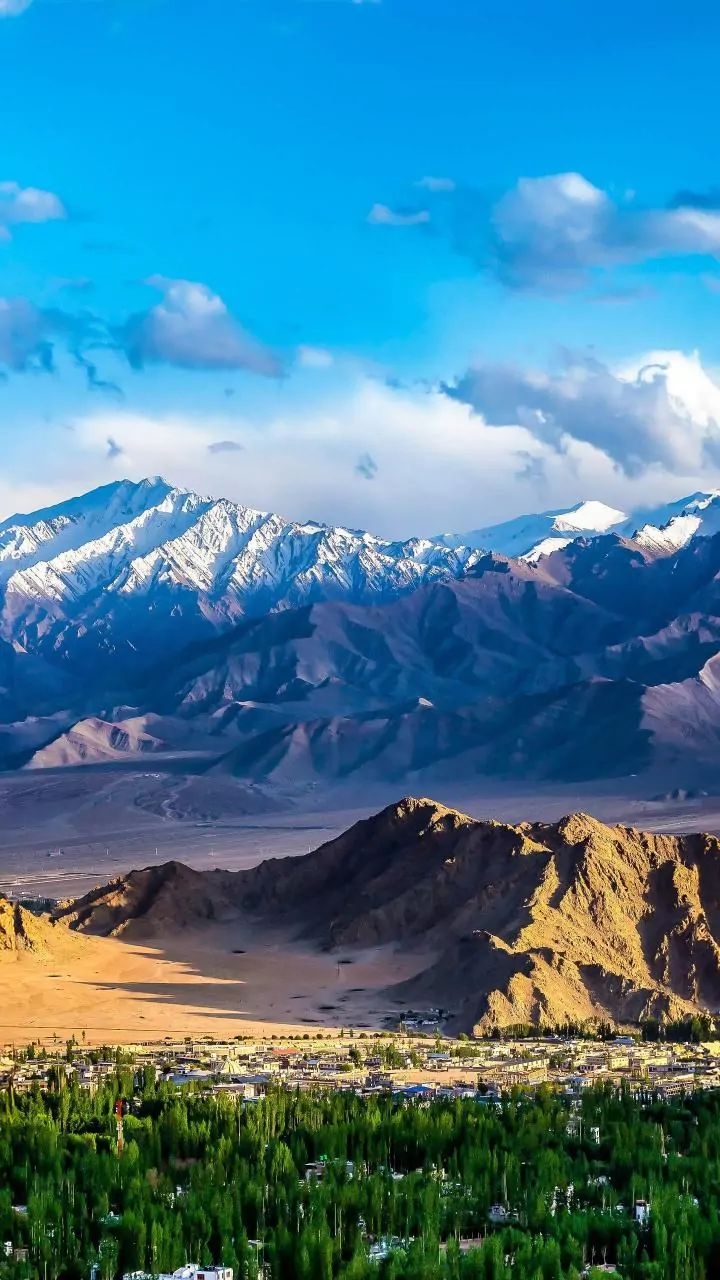
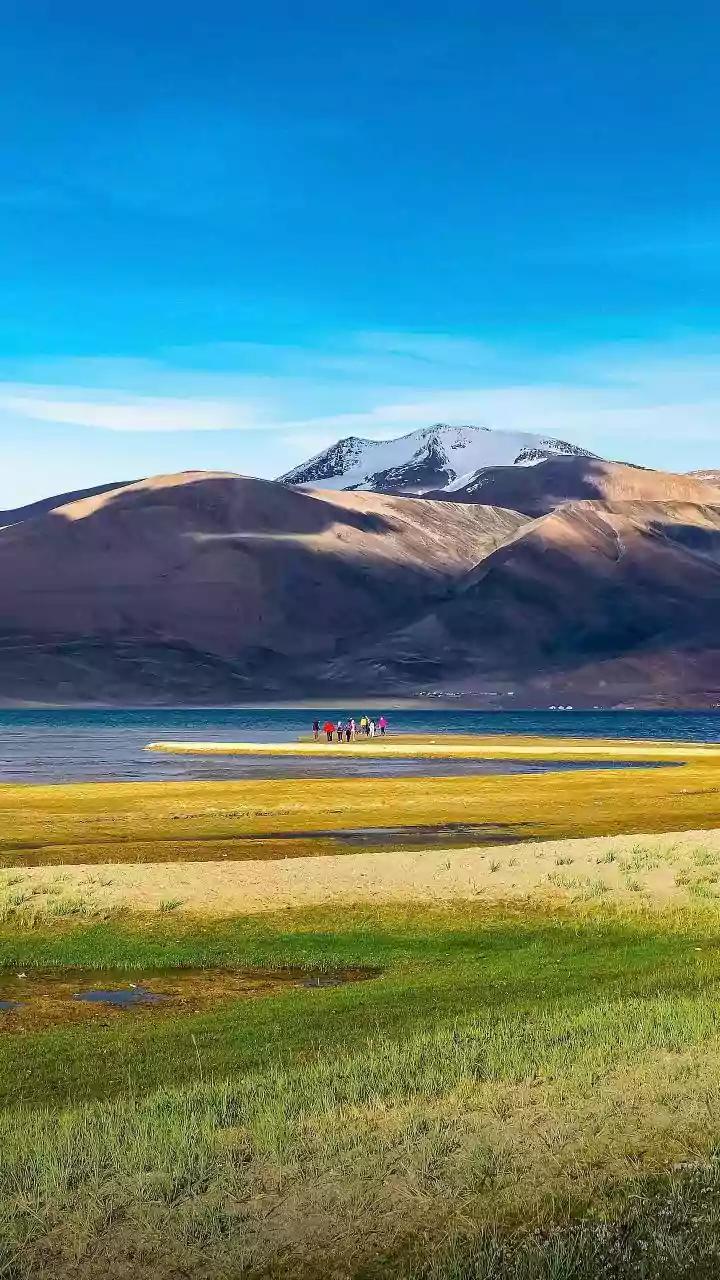
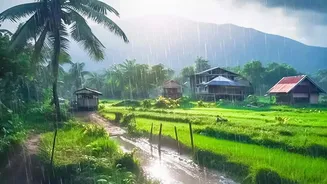
While the monsoon enhances India's natural beauty, some areas become hazardous. High-altitude Himalayan regions like those in Uttarakhand and Himachal Pradesh, as well as the Char Dham yatra routes, are prone to landslides and flash floods during peak monsoon months like July and August. It is often advised to avoid these areas or travel with extreme caution. In contrast, destinations in the Deccan Plateau, parts of Rajasthan, and certain southern hill stations like Coorg, Munnar, and Kodaikanal can be relatively safer and exceptionally beautiful, offering lush scenery and full waterfalls.
Your Monsoon Travel Kit
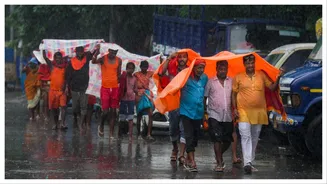
Packing correctly is key to a comfortable monsoon journey. Prioritise items that can handle the rain and humidity. A lightweight waterproof rain jacket or poncho is more practical than an umbrella, which can be useless in strong winds. Opt for clothes made from quick-drying synthetic fabrics instead of cotton, which absorbs and holds moisture. Waterproof footwear with good grip is essential for navigating slippery or waterlogged streets. Also, carry waterproof bags or pouches to protect your electronic devices, documents, and other valuables. A power bank and a basic first-aid kit are also highly recommended.
Staying Safe On The Move
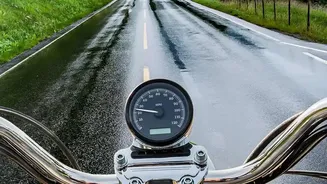
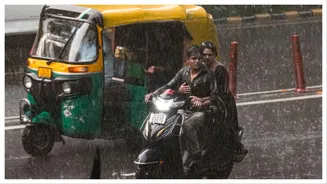
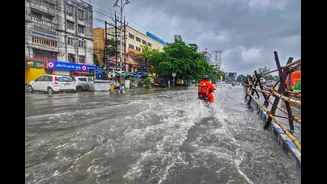
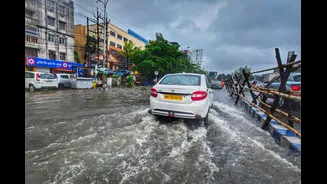
Travelling during the monsoon requires patience and flexibility. Heavy rain can lead to sudden road closures, train delays, and flight cancellations. It's wise to build buffer days into your itinerary rather than planning a tight schedule. If you are on a road trip, drive slowly, maintain a safe distance from other vehicles, and never attempt to cross flooded roads. Avoid driving at night during heavy downpours if possible. Check local advisories and road conditions before starting your journey, especially if you are heading to hilly or remote areas where the risk of landslides is higher.
Health and Wellness on Holiday
The damp and humid conditions during monsoon can bring health challenges. The risk of waterborne and mosquito-borne diseases like dengue and malaria increases. To stay healthy, drink only bottled or properly purified water and avoid street food that might be prepared in unhygienic conditions. Use a strong insect repellent, especially in the evenings and in forested or rural areas. Packing anti-fungal cream can also be a good idea, as the constant humidity can cause skin infections.