





The 'Why' Behind the Prep
Let's be honest: after a long day of lectures, the last thing you want to do is wash, peel, and chop vegetables. That's why takeout menus and instant noodles often win. Prepping your vegetables in one go transforms your daily cooking process. Instead
of starting from scratch every night, half the work is already done. This simple habit saves a surprising amount of time during the busy week. It also saves you money by encouraging you to use the produce you buy instead of letting it wilt in the fridge, reducing food waste and impulse food orders. With a colourful array of ready-to-use veggies, you're more likely to throw them into your meals, effortlessly boosting your nutrition.
Your Smart Shopping List
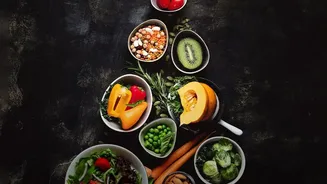
The key to a successful prep is choosing the right vegetables. You want a mix of sturdy, versatile options that hold up well after being chopped. Think of these as your weekly staples. Onions, garlic, and ginger are the foundation for countless Indian dishes and global cuisines. For substance, pick up root vegetables like carrots, sweet potatoes, and potatoes. Cruciferous vegetables such as broccoli and cauliflower are excellent for roasting and stir-fries and last well when stored properly. Bell peppers (capsicum) in various colours add crunch and flavour to almost anything, from sabzis to sandwiches. Finally, grab some green beans and perhaps a cabbage for slaw or quick sautés. Avoid prepping high-water content vegetables like cucumber and tomatoes, as they tend to get slimy or lose texture once cut.
Your Sunday Prep Session: A Step-by-Step Guide
Set aside about 90 minutes on a Sunday afternoon. Put on some music and get into the zone. The process is simple: wash, chop, and store. First, wash everything thoroughly. For hearty veggies like carrots and potatoes, give them a good scrub. Once washed, the most important step is to dry them completely. Excess moisture is the enemy of freshness. Next, it's time to chop. Think about the meals you might make. Dice onions, mince garlic, and grate ginger. Cut carrots into sticks for snacking and rounds for cooking. Chop bell peppers into strips for stir-fries and dice some for adding to poha or upma. Break broccoli and cauliflower into bite-sized florets. The goal is to have ingredients ready for multiple types of meals.
Smart Storage for Lasting Freshness
How you store your prepped veggies is crucial for making them last all week. Invest in a set of clear, airtight containers. This lets you see what you have at a glance. For vegetables like carrots, celery, and bell peppers, lining the bottom of the container with a dry paper towel can absorb excess moisture and prevent them from getting slimy. Carrots and celery sticks can even be stored in a container of water in the fridge to keep them extra crisp. Chopped onions should be in a well-sealed container to prevent their odour from taking over your entire fridge. Broccoli and cauliflower florets are best stored in a container with some air circulation; a container that isn't sealed too tightly or a bag left slightly open works well. Store everything in a designated 'prep zone' in your fridge so it's easy to grab what you need.
From Prep to Plate: Quick Meal Ideas
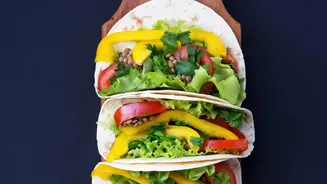
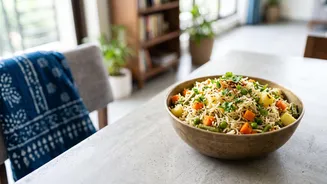
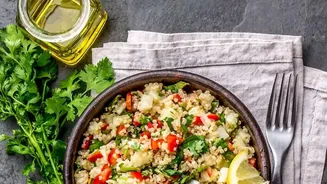
Now for the best part: using your beautifully prepped vegetables. The possibilities are endless and incredibly fast. For breakfast, toss diced onions, peppers, and tomatoes into your eggs or upma. For lunch, a quick stir-fry with your prepped broccoli, carrots, and bell peppers takes just a few minutes. Add them to instant noodles to make them more filling and nutritious. You can roast a big tray of mixed vegetables like sweet potatoes, cauliflower, and carrots at the beginning of the week. These can be added to salads, wraps, or served as a simple side dish for your dal and rice. Having everything chopped and ready makes assembling a quick vegetarian curry, a hearty grain bowl, or a loaded sandwich an effortless task on a busy weeknight.