






The Annual Deluge Arrives
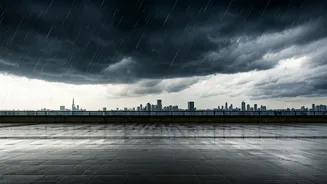
After a delay of over two weeks, the southwest monsoon officially made its onset over Mumbai on Tuesday, June 23, 2026, bringing intense downpours that have already begun to disrupt daily life. [5, 25] In the 24 hours leading up to Wednesday morning,
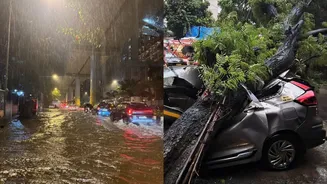
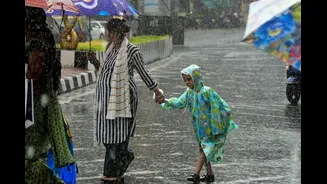
parts of the city recorded extremely heavy rainfall, with some western suburbs receiving over 200 mm. [4, 9, 18] This sudden, intense rainfall immediately led to familiar scenes of waterlogged streets in low-lying areas like Andheri, Sion, Dadar, and King's Circle, slowing traffic to a crawl and turning roads into rivers. [12, 18, 19] The India Meteorological Department (IMD) initially issued a red alert before downgrading it to orange, warning of continued moderate to intense spells of rain. [4, 13] This abrupt shift from a prolonged dry spell, which had led to dwindling water supplies in the city's lakes, to a full-blown deluge underscores the challenging reality for Mumbaikars: the commute is now a tactical operation. [5, 26]
Mastering the Local Trains
Mumbai's local train network, the city's lifeline, was among the first services to feel the impact. The season's first heavy rains exposed gaps in monsoon preparedness, leading to delays of up to 20 minutes and significant overcrowding during peak hours. [6] On Wednesday, a track cave-in between Turbhe and Vashi on the Trans-Harbour line, caused by soil erosion from the downpour, resulted in the cancellation of at least 41 train services and imposed speed restrictions even after repairs. [4, 6, 8] Commuters on the Central, Western, and Harbour lines all faced cascading delays throughout the day. [6, 15] To navigate this, your first strategic move is information. Download official railway apps like Yatri andUTS to track live train statuses and purchase tickets digitally. Follow the social media accounts of Central and Western Railways for real-time announcements on delays, diversions, or cancellations. If possible, adjust your work hours to avoid the morning and evening peak rush, as this is when services are most strained and platforms become dangerously crowded. [13]
Navigating the Waterlogged Roads
For those who travel by road, the strategy shifts to route planning and choosing the right mode of transport. Major arterial roads and notorious subways, like the one in Andheri, are prone to quick flooding, leading to closures and massive traffic jams. [12, 20] Before you leave, use real-time traffic apps like Google Maps or Waze to check for waterlogging hotspots and gridlock. The Brihanmumbai Municipal Corporation (BMC) and Mumbai Traffic Police often post updates on their social media channels about road closures. BEST buses are often a reliable alternative as they have extensive reach, but be prepared for diversions and slower travel times. Auto-rickshaws and ride-hailing services like Ola and Uber remain options, but expect surge pricing and potential cancellations from drivers unwilling to navigate flooded streets. [23] If your journey is short, walking with proper rain gear might be the quickest option, but be cautious of open manholes and uneven surfaces hidden by murky water. [3]
The Monsoon Commuter's Survival Kit
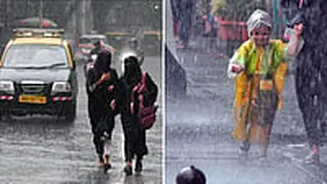
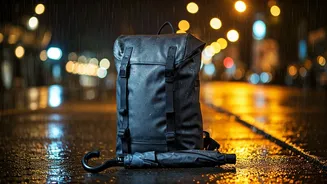
A key part of your strategy is being prepared for the worst. Assume you will face delays and get wet. Your daily bag should transform into a monsoon survival kit. Start with a sturdy, waterproof backpack to protect your belongings. Pack a powerful portable power bank, as a dead phone leaves you without access to crucial travel updates and communication. A foldable umbrella and a lightweight raincoat are non-negotiable. [3] It’s also wise to carry a small, quick-drying towel and even a spare pair of socks or a change of clothes in a waterproof pouch. Keep some non-perishable snacks and a bottle of clean drinking water, as you might be stranded for longer than expected. [23] Finally, wear appropriate footwear. Ditch the leather shoes and opt for rubber sandals, floaters, or waterproof boots that provide good grip on slippery surfaces and can handle being submerged in water. [7]
Stay Informed and Stay Safe
Beyond your personal kit, your most powerful tool is information. The BMC has issued advisories regarding high tides, which, when coinciding with heavy rain, can severely worsen flooding. [10] They advise residents to avoid coastal areas like Marine Drive during high tide warnings. [10] Follow credible news sources and official channels like the IMD and BMC on social media for the latest weather alerts, which can change rapidly from a yellow to an orange or red alert, indicating increasing severity. [22] Community-based social media groups can also be a valuable source of on-the-ground updates from fellow commuters, often providing faster alerts on localized waterlogging or traffic snarls than official channels. By combining official forecasts with real-time, crowd-sourced information, you can make informed decisions on when, or even if, to travel.