



The Allure: What Is Fluted Glass?
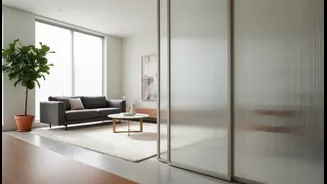
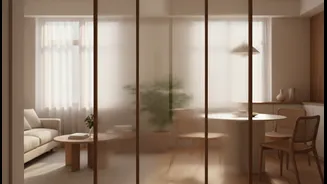
Fluted glass, also known as ribbed or reeded glass, is characterised by its vertical grooves. This is not a new invention; it was a staple of Art Deco design and is now enjoying a major revival. The texture is the key to its appeal. The concave flutes
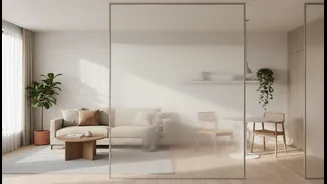
catch and play with light, creating a distorted, soft-focus view through the pane. This semi-transparency allows it to obscure what's behind it while still letting light pass through, offering a gentle balance between openness and privacy. It adds a layer of visual interest and tactile depth that plain glass or solid walls simply can't match.
The Opportunity: A Small Home's Best Friend
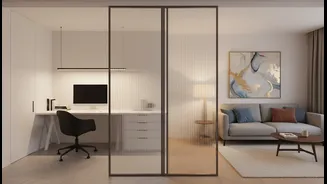
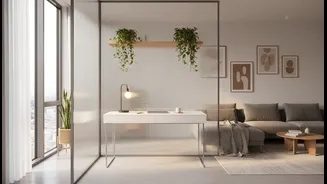
In compact homes, every square foot matters. The primary challenge is often how to create distinct functional zones—like separating a living area from a small home office or a kitchen from a dining space—without building light-blocking walls that make the area feel cramped. This is where fluted glass shines. A fluted glass partition can create a clear visual division while allowing shared light to keep the space feeling airy and connected. The vertical lines of the glass also create a clever optical illusion, drawing the eye upward and making low ceilings feel higher, which can make a small room feel larger. It’s a perfect tool for adding stylish, functional separation in studio apartments, or creating privacy for a pooja room without total isolation.
The Evidence: Light, Privacy and Style
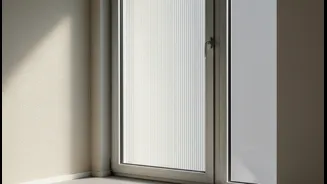
The single biggest benefit of fluted glass is its ability to diffuse light beautifully. Instead of a harsh glare, it scatters light to create a soft, ambient glow. This makes it ideal for bathroom windows, shower screens, and internal doors where you want natural light but also need privacy. The level of privacy it offers is best described as 'obscurity.' You can see blurred shapes and movement, but no clear details, making it a stylish way to hide clutter inside a kitchen cabinet or conceal a toilet in a bathroom. Available in various colours and patterns, it can be framed in sleek black metal for an industrial look or wood for a warmer, mid-century feel, making it highly adaptable to different decor styles.
The Limits: Cost, Cleaning and Clarity
Despite its beauty, fluted glass has practical limitations. The most significant is cost. It is a premium product, often costing two to three times more than standard float glass. In India, prices can range significantly from ₹150 to over ₹600 per square foot, depending on the thickness and brand, with laminated versions being even more expensive. Another major drawback is cleaning. The grooves that give the glass its character are also perfect traps for dust, soap scum, and limescale, especially in a bathroom setting. Regular cleaning with a soft brush to get into the flutes is necessary to keep it looking pristine. Finally, it's important to remember it offers only partial privacy; it blurs, but doesn't completely block the view, so it may not be suitable for all situations where total seclusion is required.