

Beyond the Windowsill
For many city dwellers, the dream of a lush garden is often downsized to a few pots on a windowsill. However, the constraints of floor space have sparked a creative solution: vertical gardening. This approach isn't just about saving space; it's about reimagining
what a garden can be. By moving plants from the floor to vertical surfaces, you can multiply your growing area, creating a green oasis without the clutter. This method allows you to cultivate a surprising variety of plants in even the smallest apartments by making functional use of previously ignored areas.
The Rise of the Living Wall
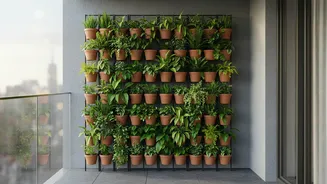
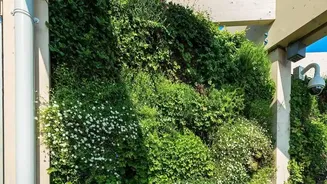
So, why is everyone suddenly talking about covering their walls with plants? The benefits go far beyond simple aesthetics. Vertical gardens act as natural air purifiers, absorbing pollutants and boosting oxygen levels in your home. This can lead to a healthier indoor environment, which is a significant advantage in urban settings. Furthermore, a wall of greenery can help reduce noise and even regulate temperature by providing natural insulation. Studies have also shown that being around plants reduces stress and improves well-being, making a vertical garden a boost for both your home's look and your mood.
Options for Your Walls
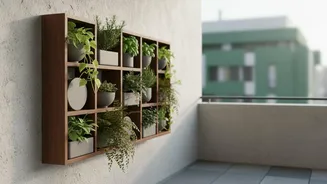
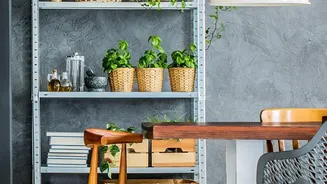
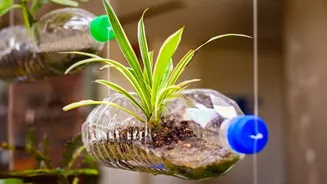
Creating a green wall is more accessible than you might think, with several options to suit different spaces and budgets. Fabric pocket planters are a popular choice; these are multi-pouched hangers made of felt that you can attach to a wall and fill with soil and plants. For a more structured look, modular panel systems offer a sleek, modern finish, sometimes with built-in irrigation. You can also take a simpler DIY approach by installing wall-mounted racks or even repurposing old ladders and wooden pallets to hold individual pots, creating a rustic, tiered effect. The key is to ensure whatever you choose is securely fastened to the wall.
A Balcony's Best Friend: Railing Planters
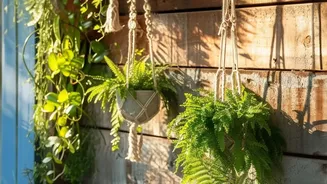
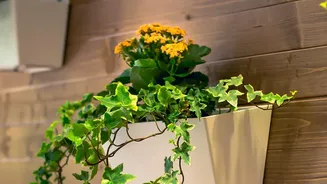
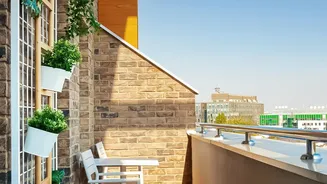
Balcony railings are prime real estate for small-space gardening. Specially designed railing planters that saddle over the rail or clamp on securely are an effortless way to add colour and life without using any floor space. These come in various materials, from durable plastic to classic metal, and are perfect for growing everything from flowering annuals to essential kitchen herbs. Hanging baskets suspended from the ceiling or a sturdy bracket can also create a beautiful cascading effect, adding layers of greenery to your balcony view.
Best Plants for Your Vertical Garden
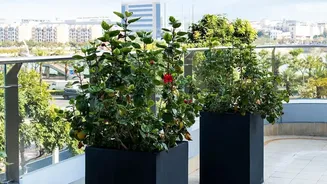
Choosing the right plants is crucial for a successful vertical garden. For sunny balconies, heat-loving plants like Bougainvillea, Hibiscus, and Portulaca (Rose Moss) are excellent choices that provide vibrant colour. In shadier spots or for indoor walls, plants like Money Plant, Snake Plant, and ferns thrive with less direct light. If you're looking to create a kitchen garden, herbs such as mint, tulsi (Holy Basil), and coriander grow exceptionally well in containers on railings and walls. Trailing plants like Petunia or Pothos are perfect for hanging baskets and the upper pockets of a wall planter, as they create a lovely spilling effect.
Important Things to Consider
Before you begin, a little planning goes a long way. First, check the load-bearing capacity of your wall or railing, as soil and watered plants can be heavy. Ensure your chosen system has good drainage to prevent root rot. Observe the amount of sunlight your chosen spot receives throughout the day to select appropriate plants. Finally, consider your watering routine. Wall gardens, especially those in direct sun, can dry out quickly, so be prepared to water them regularly or consider a system with self-watering features.