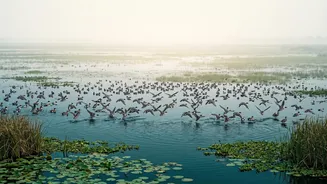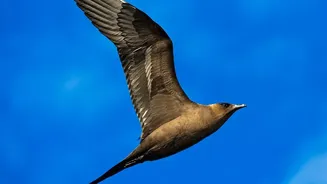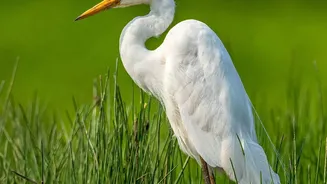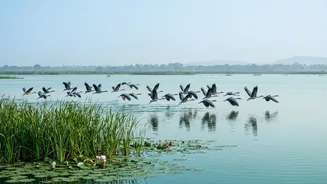




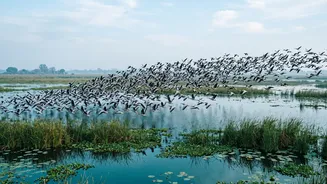
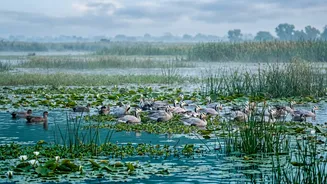
As temperatures plummet across Siberia, Central Asia, and Europe, one of nature’s most spectacular sagas unfolds. Millions of birds are taking to the skies, embarking on an arduous journey south to find food and refuge in warmer climates.
An Epic Journey Against All Odds
The annual migration
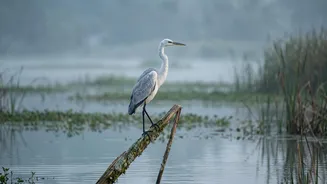
is a testament to endurance. Birds like the bar-headed goose fly at extreme altitudes, crossing the Himalayas, while others cover thousands of kilometres over land and sea. They navigate using the Earth's magnetic field, the sun, and stars, following ancient routes known as flyways. India is a crucial destination along the Central Asian Flyway, which spans 30 countries. These birds are not just tourists; they are refugees fleeing the harsh, freezing conditions of their northern breeding grounds where food becomes impossibly scarce. Their journey is fraught with peril, from extreme weather to exhaustion and predators, making their arrival in India a triumphant culmination of a gruelling marathon.
India’s Welcoming Wetlands
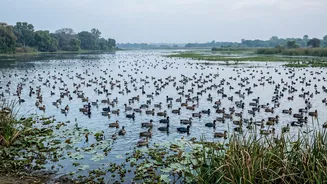
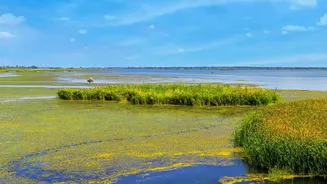
Upon arriving in India, these winged travellers find sanctuary in the country's vast network of wetlands. These areas, from large lagoons to smaller reservoirs, provide the perfect habitat: shallow waters teeming with fish, insects, and vegetation. Key locations are already seeing the first arrivals. Keoladeo National Park in Rajasthan, a UNESCO World Heritage Site, is a world-famous wintering ground. Likewise, Chilika Lake in Odisha, Asia's largest brackish water lagoon, transforms into a bustling avian metropolis. Recent reports from Jalpaiguri in West Bengal show that some species, like the Ruddy Shelduck and various pochards, have started arriving earlier than usual this year. These wetlands are not just stopovers; they are critical ecosystems that support this incredible biodiversity. India's commitment to protecting these areas is reflected in its growing number of Ramsar Sites—wetlands of international importance—which reached 103 in October 2026.
The Feathered Guests of Winter
The variety of species that make India their winter home is staggering. Keoladeo National Park alone hosts over 370 species. Birdwatchers eagerly await the arrival of Northern Pintails, Garganeys, Eurasian Wigeons, and Common Teals. The majestic Painted Storks and the resilient Bar-headed Geese are other popular visitors. While the iconic Siberian Crane is now a rare sight, the presence of other species in large numbers is a positive sign. For instance, the latest census at Chilika Lake in early 2026 recorded over 1.13 million birds from nearly 200 species, showing a slight increase from the previous year. The Northern Pintail was the most populous species found there, with over 218,000 individuals counted. The arrival of these birds transforms these sanctuaries into vibrant, noisy spectacles, drawing nature lovers from across the country and the world.
A Barometer for Planetary Health
The migration of these birds is more than just a beautiful natural event; it is a vital indicator of global environmental health. Ornithologists and climate scientists closely monitor their arrival times, population numbers, and health. Changes in migration patterns can signal shifts in climate, both in their distant breeding grounds and here in India. A delayed arrival might indicate a milder northern autumn, while a decline in numbers can point to habitat loss or pollution along the flyway. The health of India's wetlands is equally crucial. Challenges like water scarcity, invasive species, and pollution can make these sites less hospitable, threatening the birds that depend on them. Therefore, protecting these birds means protecting the entire chain of habitats that supports their life cycle.
The Ongoing Conservation Challenge
Ensuring these sanctuaries remain safe for their winter guests requires continuous effort. The Indian government has established a National Action Plan for the conservation of migratory birds, focusing on protecting their habitats and mitigating threats. Legal frameworks like the Wild Life (Protection) Act, 1972, accord the highest degree of protection to many of these species. However, threats persist. Habitat destruction due to construction and urbanisation, water pollution, and illegal hunting remain significant concerns. Conservation success stories, like the community-led initiatives at Mangalajodi in Chilika, offer a powerful model where former poachers have turned into dedicated protectors, demonstrating that a sustainable future is possible when local communities are involved in conservation.