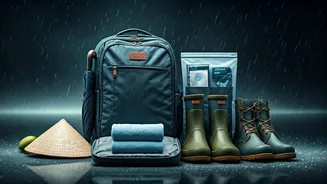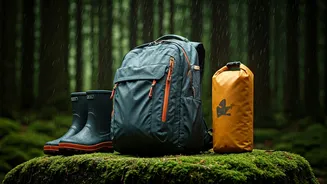






The Foundation: Your Waterproof Bag
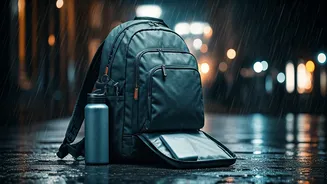
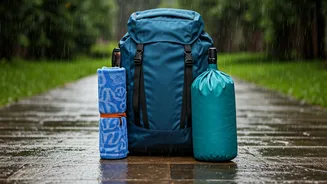
Everything starts with the right bag. While most backpacks are water-resistant, very few are truly waterproof, with seams and zippers being common weak points. [15] Investing in a genuinely waterproof backpack is your best bet. Look for features like
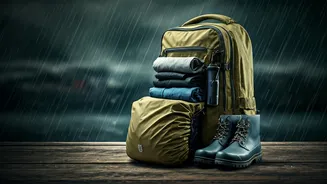
coated material, sealed seams, and waterproof zippers. [3] If a new bag isn't an option, a simple and effective alternative is a rain cover that snugly fits over your existing backpack, providing a crucial first line of defence against a sudden deluge. [17, 19] This shields your belongings from the worst of the rain, ensuring your essentials remain dry. [10]
The Triple-Layer Electronics Shield
In our connected world, protecting gadgets is paramount. A sudden downpour can be a death sentence for a smartphone, laptop, or earbuds. Your strategy should involve multiple layers of protection. First, a waterproof phone case or pouch is non-negotiable. [2, 8] These often allow you to use your touchscreen while keeping the device safe. [2] For laptops and other electronics, use individual dry bags or even simple zip-lock pouches. [3, 18] As a final fortress, line the inside of your backpack with a larger dry bag or a heavy-duty plastic bag, creating an internal barrier against any water that might breach the outer defences. [15, 18]
Your Personal Power Grid
Thunderstorms and power cuts often go hand in hand. [2, 3] A fully charged power bank is no longer a luxury but an essential item. It ensures you can stay connected, call for help, or navigate your way home even if your phone's battery is low and power outlets are unavailable. [24] Consider a waterproof power bank for ultimate peace of mind, ensuring your power source is as resilient as the storm you're weathering. [2] It’s a small addition that can be a lifesaver when you're stuck waiting for the rain to subside. [3]
The Weather Armour You Wear
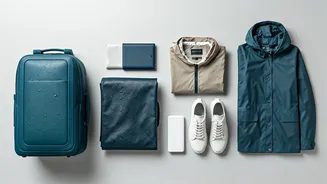
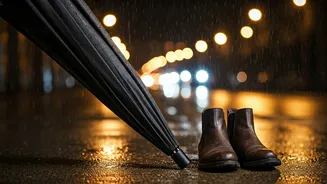
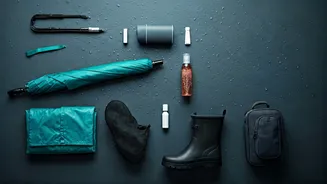
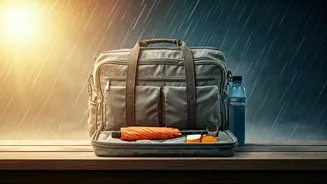
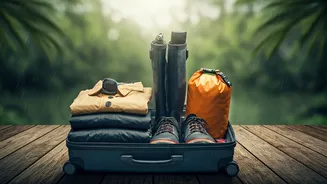
An umbrella is a classic for a reason, but it's often not enough against windy, driving rain. [17] A lightweight, foldable raincoat or poncho offers far superior protection and should have a permanent place in your monsoon bag. [10, 14] A poncho can be particularly useful as it's often large enough to cover you and your backpack. [21] Also, don't underestimate the misery of wet feet. Packing a spare pair of quick-drying socks can make a world of difference for your comfort if you get soaked. [25] Choosing quick-drying fabrics like polyester for your clothing can also help you stay more comfortable if you get caught in the rain. [7, 14]
Health, Hygiene, and Safety Kit
Monsoon weather can bring its own set of health and hygiene challenges. Puddles and damp environments can be breeding grounds for germs. A small bottle of hand sanitiser is essential for keeping your hands clean, especially before eating. [8] A compact first-aid kit with basics like band-aids, antiseptic wipes, and any personal medications is also a wise addition. [3, 14] To deal with minor cuts or scrapes that are more common in wet conditions. [10] Finally, a small, powerful flashlight or headlamp can be invaluable for navigating dark streets during a power outage or finding items in your bag. [3, 10, 25]
The 'Just-in-Case' Comfort Items
Beyond the absolute essentials, a few small items can significantly improve your experience. A microfibre towel is incredibly absorbent, lightweight, and dries quickly, making it perfect for wiping down your face, glasses, or phone. [4] Reusable zip-lock bags have countless uses, from storing a wet umbrella to protecting important documents from moisture. [3, 10] It’s also a good idea to carry some non-perishable snacks like protein bars or biscuits. [24] Heavy rain can cause unexpected delays, and having a quick energy boost on hand can make a long wait much more bearable. [24]