



The Science of Foil and Food
The convenience of aluminum foil is undeniable, but it's not an inert material. The main issue arises from a chemical reaction. Aluminum can leach into food, and this process is accelerated by several factors. The most significant triggers are acidic
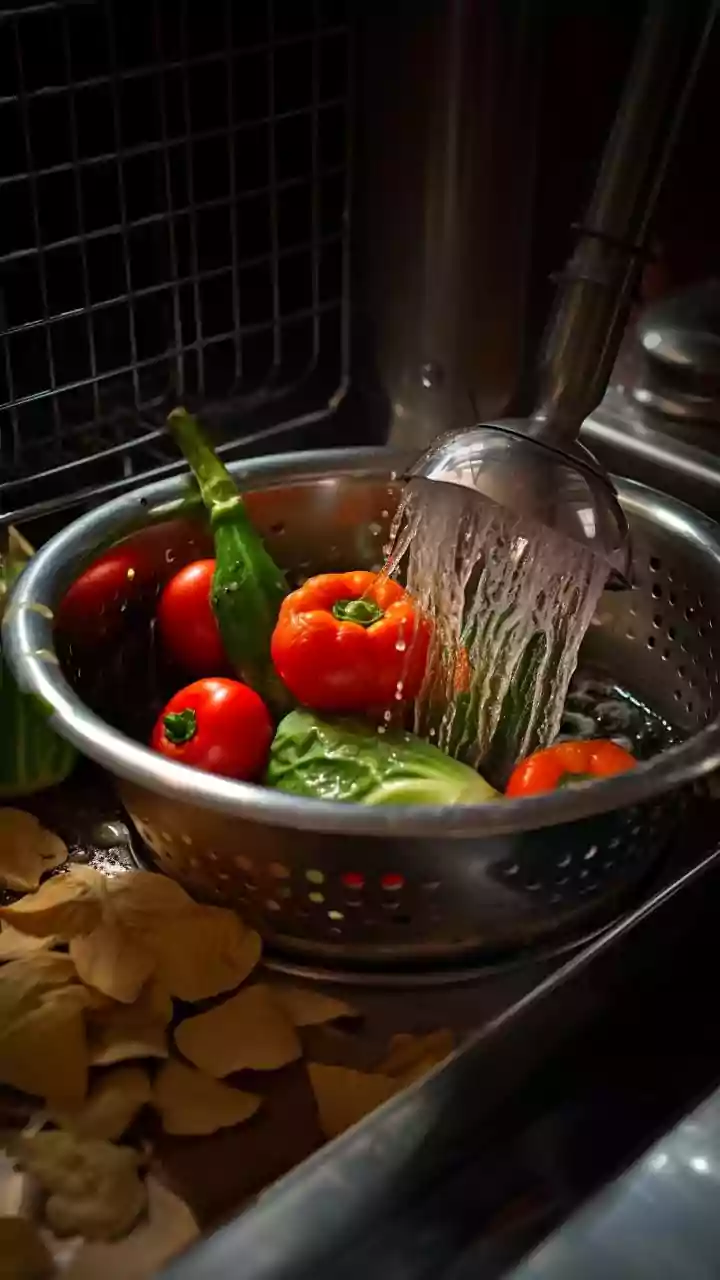
and salty foods. Ingredients like tomatoes, citrus fruits (lemons, oranges), vinegar-based marinades, and even high concentrations of salt can cause the foil to break down at a microscopic level, transferring small amounts of aluminum into your meal. Heating this combination, such as when baking a lasagna with tomato sauce under a foil lid, speeds up the reaction significantly. This interaction can sometimes leave behind a metallic taste or even create small pits or dark spots on the foil itself.
Should You Be Concerned?
The idea of metal leaching into your food can sound alarming, but it’s important to maintain perspective. Aluminum is one of the most abundant metals on Earth and is naturally present in small amounts in our water, soil, and many foods like spinach, tea, and mushrooms. Healthy bodies are well-equipped to process and excrete the small amounts of aluminum we typically ingest. Most food safety authorities, including the FDA and the European Food Safety Authority, consider the amount of aluminum that migrates from foil during normal use to be within safe limits for healthy individuals. However, some studies suggest that excessive consumption of foods that have been cooked in foil can contribute a significant amount to our total weekly intake of the metal. Therefore, while there’s no need to panic, minimizing unnecessary exposure is a sensible approach.
Foods to Keep Away From Foil
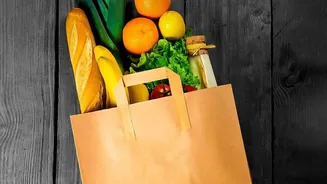
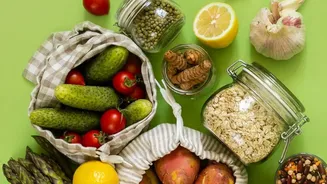
To cook and store smarter, the key is to be mindful of which foods are most likely to react with aluminum. As a rule of thumb, avoid prolonged direct contact between foil and these items, especially when heat is involved: Acidic Foods: This is the biggest category. It includes tomatoes and tomato-based sauces, citrus fruits like lemons and limes, vinegar-based dressings and marinades, and certain fruits like rhubarb. Salty Foods: Highly salted foods, like brined meats, cured fish, or feta cheese, can also encourage a reaction with the foil. * Spiced Foods: Some combinations of spices, particularly when mixed with salt and acid, can increase leaching.
A Better Way to Store
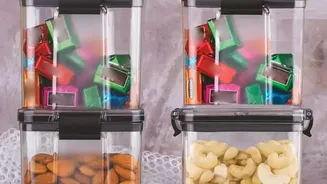
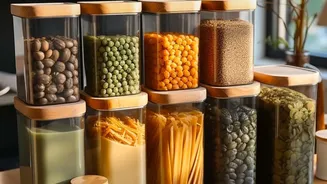
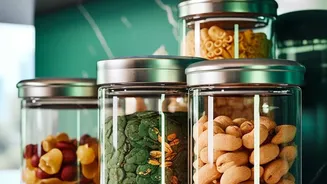
Avoiding direct contact doesn't mean banishing foil from your kitchen. It's about using it strategically and having the right alternatives on hand. For storing leftovers, especially acidic ones, airtight glass or ceramic containers are your best bet. They don't react with food, can often go from the fridge to the microwave or oven, and allow you to easily see what's inside. For baking or roasting, lining a pan with parchment paper before adding acidic ingredients creates a safe and effective barrier between the food and the foil. Other excellent, reusable options for covering bowls and containers include silicone lids, beeswax wraps, and silicone baking mats for lining trays.
When Is Foil Still Your Friend?
Aluminum foil remains an incredibly useful tool when used correctly. It's perfectly fine for wrapping non-acidic items like sandwiches, baked goods, or covering a bowl of salad (without dressing). It excels at tenting a roasting chicken to prevent the skin from burning or lining a baking sheet for cookies. The problem isn't the foil itself, but its interaction with specific ingredients. It's also important to note that simply covering a dish with a sheet of foil doesn't create an airtight seal, which can allow bacteria to grow if food is left out. For optimal safety, leftovers should always be stored in properly sealed containers and refrigerated within two hours.