





Beyond the Traditional Thali
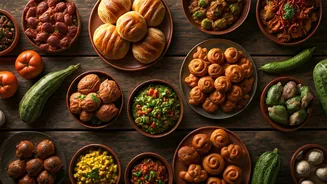
For generations, Indian food has been synonymous with abundance, rich colours, and communal eating. The thali, with its organised chaos of bowls, or a hearty serving of biryani were celebrated for their flavour and generosity, not necessarily their precise
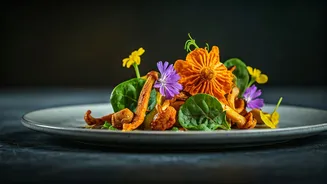
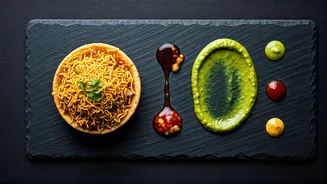
plating. But a quiet revolution has been simmering. In fine-dining restaurants across Delhi, Mumbai, Bengaluru, and beyond, a new aesthetic has emerged. Think of a deconstructed samosa, where the crisp pastry shell and spiced potato filling are presented as separate, artful components. Imagine a vibrant green pea foam delicately placed beside a perfectly seared piece of paneer, or a swirl of tamarind chutney painted onto the plate like a brushstroke. Microgreens, edible flowers, and dramatic smears have replaced the simple garnish of coriander leaves. This isn't your grandmother's cooking; it's Indian food reimagined through a global culinary lens, where the plate is a canvas and every element is meticulously placed for visual impact.
The Rise of the Culinary Artist
This transformation didn’t happen overnight. It was championed by a generation of visionary chefs who sought to elevate Indian cuisine on the world stage. Chefs like Manish Mehrotra of Indian Accent, Gaggan Anand, and Vineet Bhatia began applying international techniques to traditional Indian flavours. They challenged the perception that Indian food had to be rustic and heavy. By focusing on lighter textures, innovative combinations, and, crucially, artistic presentation, they proved that our cuisine could be as sophisticated and elegant as any French or Japanese meal. These chefs understood that in the modern dining experience, we eat with our eyes first. They created dishes that were not only delicious but also sparked conversation and, importantly, were irresistibly photogenic. This philosophy has now trickled down from Michelin-starred establishments to more accessible bistros and cafes, all vying for that perfect shot.
The Instagram Effect
You can't discuss modern plating without mentioning the elephant in the room: social media. Platforms like Instagram have fundamentally changed the restaurant business. A single, viral photo of a stunning dish can drive more traffic than a traditional review. Diners have become amateur food photographers and marketers, and a restaurant's visibility is now directly tied to its 'Instagrammability'. For restaurants, creating a 'social-ready' plate is a powerful marketing tool. It’s free advertising that works 24/7. When a customer posts a photo of a beautifully plated Galouti Kebab, they aren’t just sharing their meal; they are endorsing the restaurant's creativity and providing a visual testimonial to their followers. This has created a feedback loop: restaurants design dishes that will look good online, and customers choose restaurants based on the beautiful food they see on their feeds.
Art or Artifice? The Authenticity Debate
Naturally, this trend has its critics. Purists argue that focusing on aesthetics can come at the expense of soul and flavour. They question whether a foam can ever replace the comforting richness of a slow-cooked dal or if a deconstructed dish loses the very essence of what it’s meant to be. Is it a gimmick designed to justify higher prices? The concern is that in the race for visual perfection, the deep, complex, and unpretentious heart of Indian cooking might get lost. However, proponents see it differently. They argue that this is not about abandoning tradition but about celebrating it in a new, exciting way. Cuisine is not a static museum piece; it has always evolved. This modern movement is a sign of the confidence and dynamism of Indian food today, showing that it can adapt, innovate, and hold its own in any global culinary conversation. It’s about respecting the flavours of the past while presenting them in a language the present understands.