

The Protein Gap on the Indian Plate
Studies suggest that a significant majority of Indians, possibly as high as 73%, are deficient in protein. Many traditional Indian meals are heavy on carbohydrates and fats, with staples like rice and roti forming the bulk of the plate. While delicious
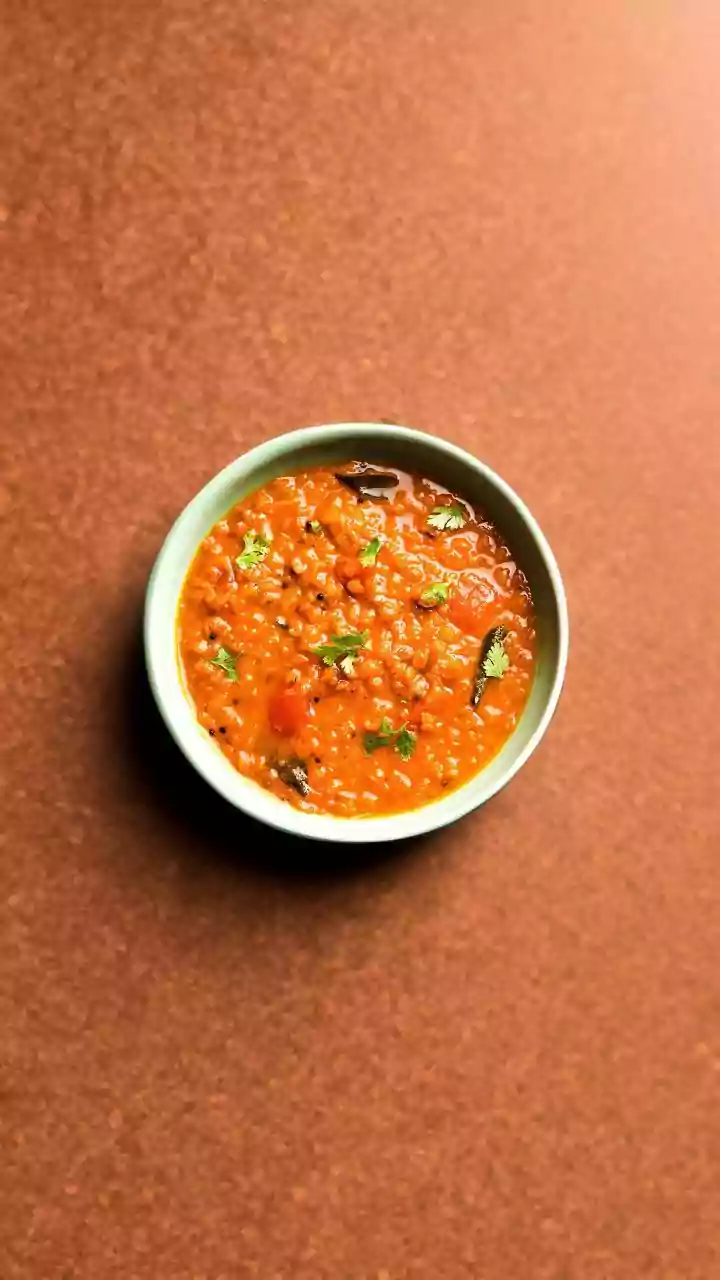
and energy-giving, this structure often means protein sources like dal, paneer, or meat are served in smaller quantities. For example, a single bowl of dal provides only about 7 grams of protein, while an average adult needs between 50 and 60 grams daily. This imbalance can lead to a consistent protein gap, affecting everything from energy levels to immunity.
Why Protein Matters for Every Family Member
Protein is far more than just a nutrient for bodybuilders; it's a fundamental building block for every person at every age. For growing children, it is crucial for physical growth, brain development, and a strong immune system. Without enough protein, children may feel tired, fall sick more often, and have difficulty concentrating in school. For adults, it's vital for maintaining muscle strength, managing weight by keeping you feeling full, and supporting hair and skin health. Older adults need more protein to prevent age-related muscle loss and ensure faster recovery from illness.
How Much Protein Do You Really Need?
The Indian Council of Medical Research (ICMR) recommends about 0.83 grams of protein per kilogram of ideal body weight for a sedentary adult. A simpler way to think about it is that most adults need roughly 50-60 grams of protein per day. This requirement increases for those who are physically active, pregnant, or elderly. For children, needs vary by age, but ensuring a protein source at every meal is a good rule of thumb.
Powering Up with Vegetarian Protein
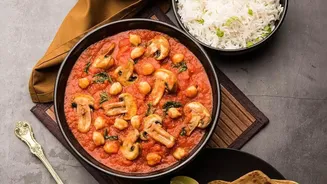
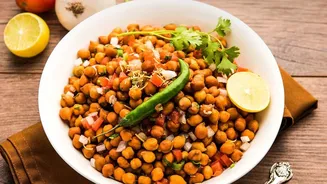
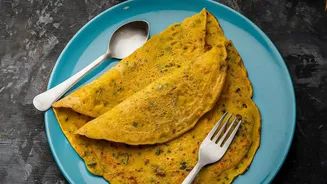
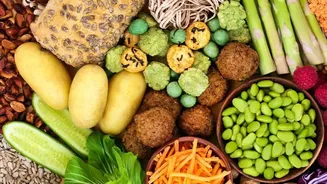
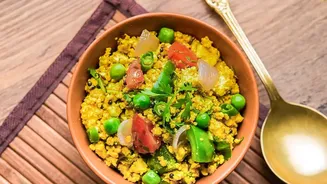
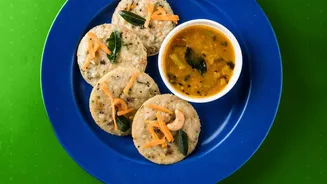
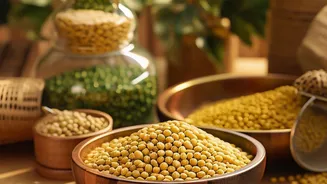
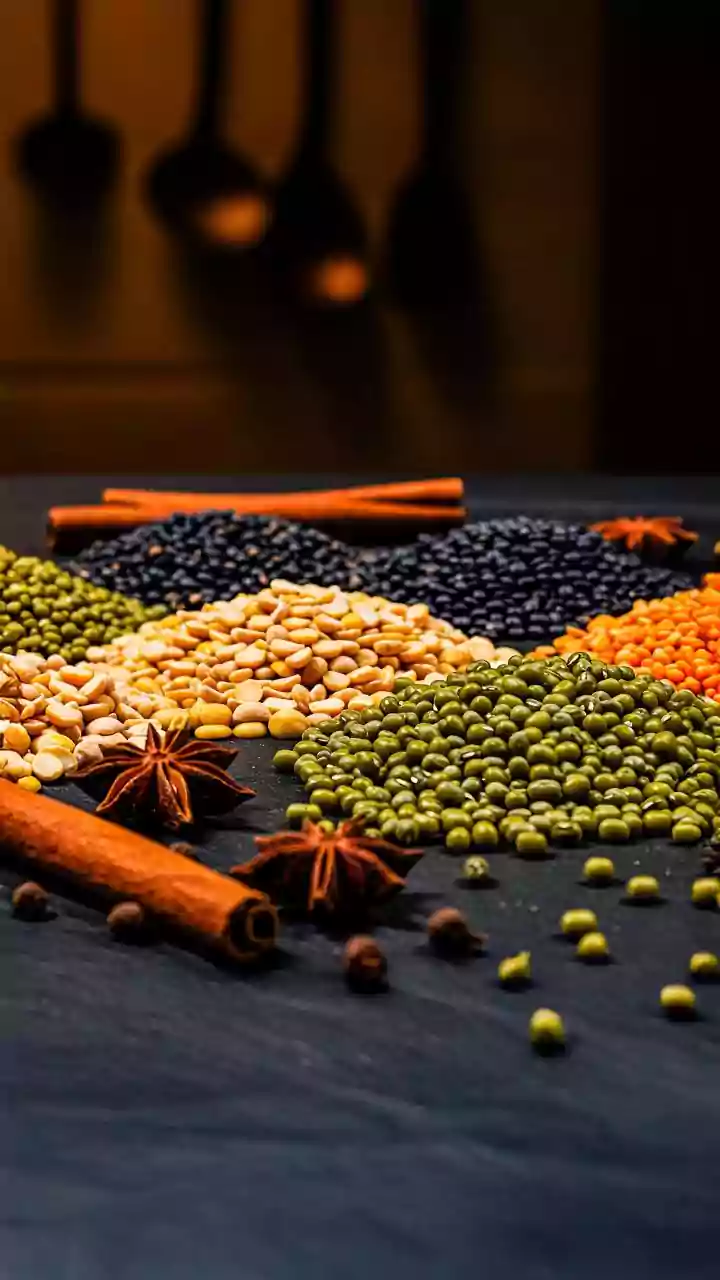
A vegetarian diet can absolutely meet your protein needs with a little planning. The key is variety and quantity. One of the most common myths is that plant proteins are incomplete, but combining different sources like dal with rice or roti creates a complete amino acid profile. Excellent sources include lentils (dal), chickpeas (chana), kidney beans (rajma), paneer, tofu, and Greek yogurt. For breakfast, instead of a carb-heavy meal, consider a moong dal chilla (around 15g protein) or paneer bhurji (around 20g protein). Adding sprouts, nuts, and seeds to salads and snacks can also significantly boost your daily intake.
Smart Non-Vegetarian Choices
For those who eat non-vegetarian food, eggs, chicken, and fish are excellent sources of high-quality protein. A masala omelette with two eggs can provide about 18 grams of protein and makes for a quick and filling breakfast. When incorporating meat and fish into your diet, focus on lean cuts and healthier cooking methods like grilling or baking instead of deep-frying. A portion of chicken curry or grilled fish alongside your regular meal can easily help you meet your daily protein targets. The goal is balance—not to replace your entire meal with meat, but to ensure it includes a solid protein component.
Simple Swaps for a Balanced Diet
Balancing protein doesn't require a complete overhaul of your kitchen. Start with small, manageable changes. Swap sugary biscuits for a handful of roasted chana. Ensure your child’s lunchbox includes a protein source like a paneer paratha or an egg. If you eat dal and rice, simply increase the portion of dal. Add a bowl of curd (dahi) to your lunch. These minor adjustments, when done consistently, add up to make a major difference in your family’s health, ensuring everyone gets the fuel they need to thrive.