


The Sun’s Turbulent Outbursts
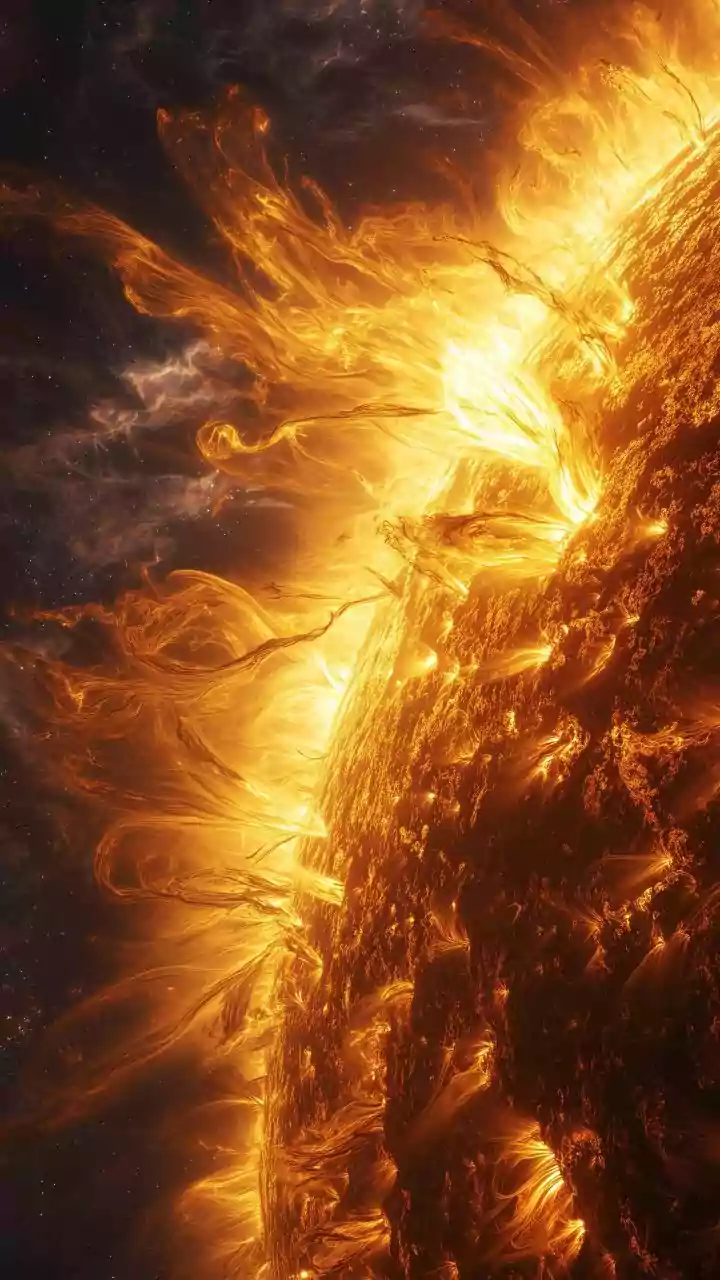
Space weather refers to the changing conditions in space driven by the Sun. Much like weather on Earth, it can range from calm to stormy. The culprits are powerful solar events. Solar flares release intense bursts of radiation, while Coronal Mass Ejections
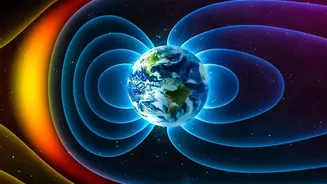
(CMEs) hurl enormous clouds of magnetised plasma into space at high speeds. When these events are directed at Earth, they can have significant consequences for our technology-dependent society. While Earth’s magnetic field protects us on the ground from the worst effects, our assets in orbit are far more exposed.
Why Satellites Are Vulnerable
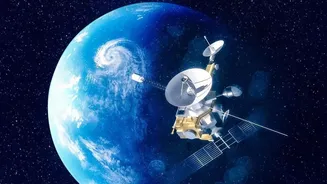
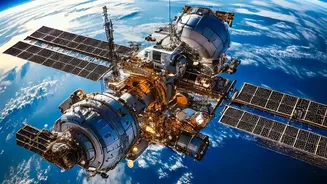
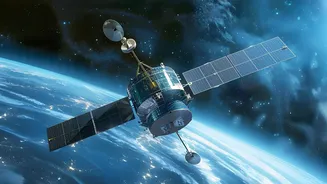
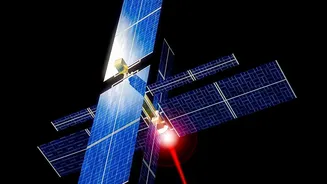
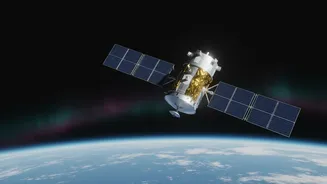
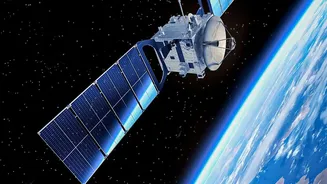
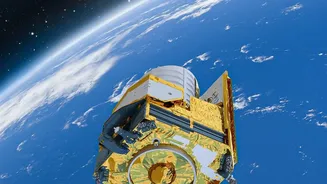
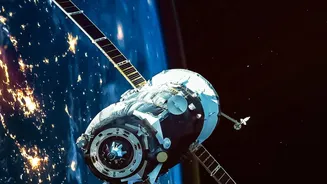
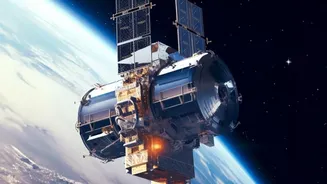
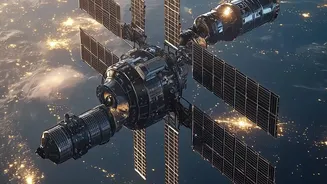
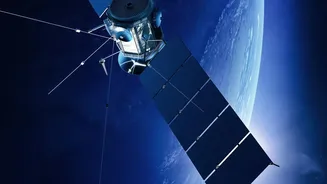
Satellites are vulnerable to space weather in several ways. The flood of energetic particles from a solar storm can damage sensitive electronics, causing glitches, phantom commands, or even complete failure. Over time, this radiation also degrades the solar panels that power the satellites, shortening their operational lifespan. Furthermore, a major solar storm can heat and expand Earth's upper atmosphere. For satellites in low-Earth orbit (LEO), this increased atmospheric density creates more drag, causing them to lose altitude faster than expected. In a stark example, SpaceX lost dozens of its Starlink satellites in 2022 after a geomagnetic storm increased atmospheric drag.
The Science of a Solar Forecast
Just as meteorologists forecast terrestrial weather, scientists now forecast space weather. This involves constantly monitoring the Sun using a network of ground-based and space-based observatories. These instruments watch for tell-tale signs of an impending eruption, such as the formation and activity of sunspots. By observing the size, intensity, and direction of solar flares and CMEs, scientists can create predictive models that estimate when a solar storm will arrive at Earth and how severe its impact might be. The lead time can range from minutes to days, depending on the type of event and the technology used.
From Prediction to Protection
An accurate forecast is the first step toward protection. With advance warning, satellite operators can take defensive measures. If a storm is predicted to increase atmospheric drag, operators can command a satellite to fire its thrusters to maintain a stable orbit. To protect against radiation damage, non-essential systems can be temporarily shut down or placed into a 'safe mode' until the storm passes. This prevents sensitive electronics from being fried by energetic particles. For services like GPS that can be affected by ionospheric disturbances, forecasts allow system operators to warn users of potential inaccuracies or prepare for service disruptions.
India’s Watchful Eye on the Sun
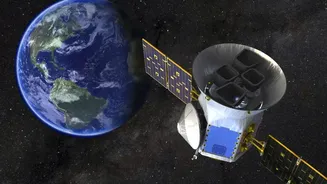
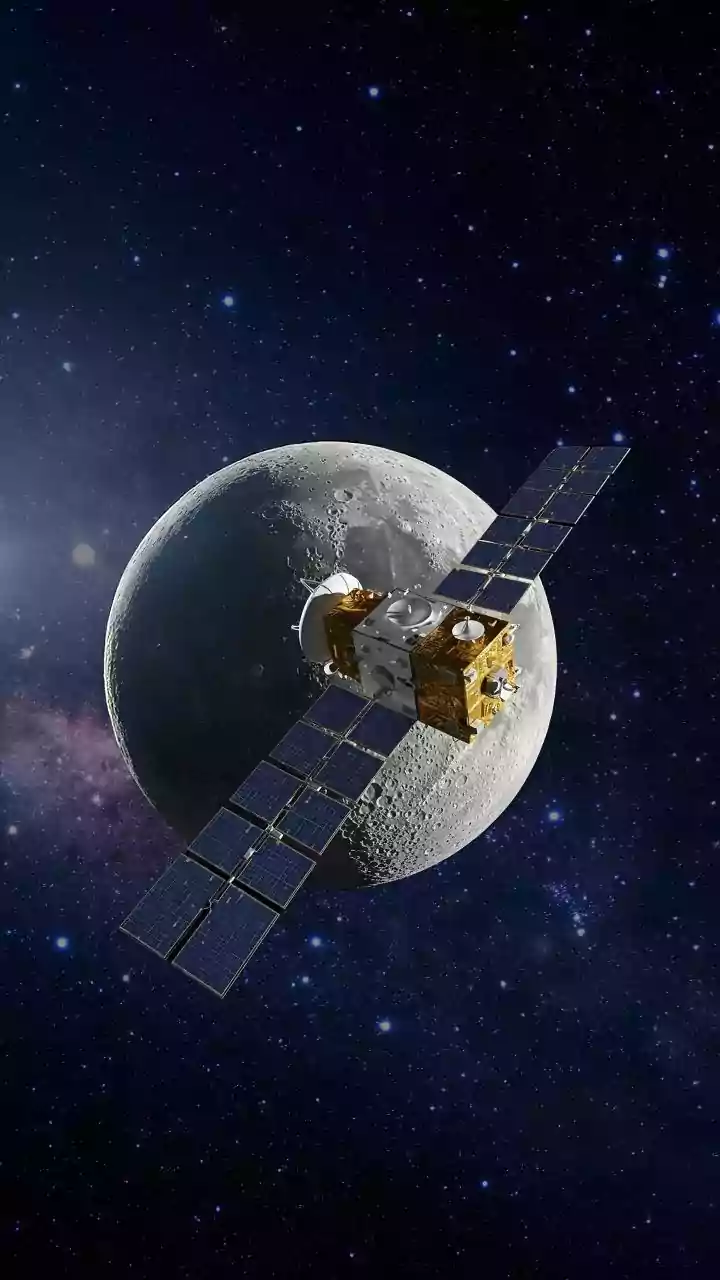
Recognising the growing threat, India has made a significant investment in this field. The Indian Space Research Organisation’s (ISRO) Aditya-L1 mission is the nation's first dedicated solar observatory. Placed at a strategic vantage point 1.5 million kilometres from Earth, Aditya-L1 provides an uninterrupted view of the Sun. Its suite of instruments is designed to study the solar corona, analyse the genesis of solar storms, and monitor the solar wind. The data it gathers is crucial for developing India’s own space weather prediction models, helping to safeguard the country's critical space assets, including the NavIC navigation constellation and a host of communication and Earth observation satellites.