





The Drying Imperative
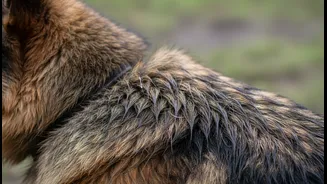
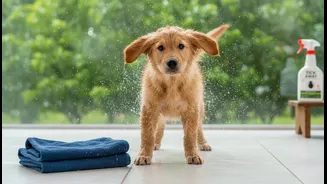
The single most important rule of monsoon pet care is to keep your pet dry. Moisture trapped in a dog's coat is a leading cause of fungal and bacterial skin infections, often called 'hot spots'. This is especially true for long-haired breeds. After every
single walk, no matter how short, it is crucial to towel-dry your pet thoroughly. Pay special attention to their belly, paws, ears, and any skin folds, as these areas trap the most moisture. Using super-absorbent microfiber towels can make the process quicker and more effective. For pets with thick coats, a hairdryer on a low, cool setting can be used to ensure they are completely dry. Keeping bedding clean and dry is also essential; wash it frequently and ensure it is not left damp.
Winning the War on Ticks and Fleas
The warm, humid monsoon weather creates a perfect breeding ground for ticks and fleas. These parasites are not just an itchy nuisance; they can transmit serious illnesses like tick fever, which can cause fever, anaemia, and even organ failure in dogs. Prevention is vital during this season. Daily checks are a must. After walks, run your hands through your pet’s coat, checking for any lumps. Pay close attention to areas like behind the ears, under the collar, between the toes, and near the tail. Consult your veterinarian about the best preventive measures for your pet, which may include options like spot-on treatments, chewable tablets, or medicated collars. It’s also important to treat your environment; regularly vacuuming your home and washing pet bedding in hot water can help eliminate parasites.
Safer, Cleaner Walking Routes
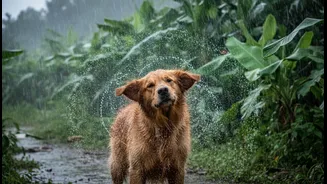
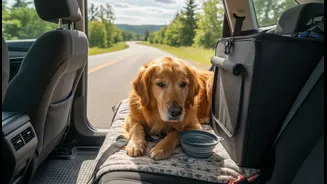
Navigating walks during the monsoon requires a new strategy. Roads and parks become muddy, and stagnant puddles are filled with bacteria and parasites that can cause diseases like Leptospirosis and Giardia. Never let your pet drink from puddles or other sources of standing water. Always carry fresh, clean drinking water for them. Try to time your walks to avoid heavy downpours, checking the hourly forecast for gaps in the rain. Shorter, more frequent walks are often better than one long, miserable one. If possible, stick to paved paths and avoid overly muddy or grassy areas where ticks hide. Wearing a waterproof raincoat can keep your dog drier and make cleanup easier.
Paw and Paw-sitive Hygiene
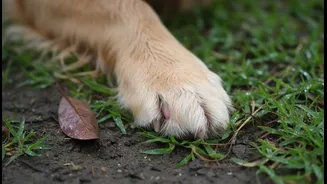
Your pet’s paws are on the front line, constantly exposed to mud and contaminated water. This can lead to painful paw infections like pododermatitis. After every walk, it is essential to clean your pet's paws thoroughly. You can use lukewarm water and a soft cloth or pet-safe wipes. Ensure you dry them completely, especially between the toes, to prevent fungal growth. Trimming the fur between the paw pads can help reduce how much mud and moisture gets trapped. A vet-approved paw balm can also create a protective barrier against wet surfaces and potential irritants.
Diet, Hydration, and Immunity
A strong immune system is your pet’s best defence during the challenging monsoon season. Providing a balanced diet is crucial. Humid weather can cause dry food to spoil faster, so store it in airtight containers. Avoid leaving wet or home-cooked food out for too long. Access to fresh, clean drinking water is non-negotiable. Water bowls should be cleaned daily, as bacteria multiply faster in humidity. Some vets may recommend immunity-boosting supplements, like those with Omega-3 fatty acids, to support skin health, but always consult a professional before adding anything new to your pet's diet.