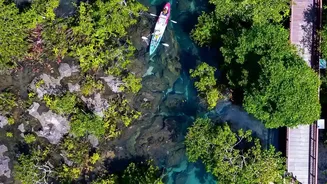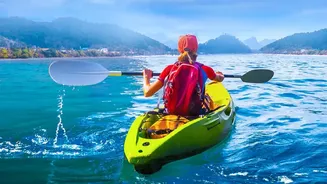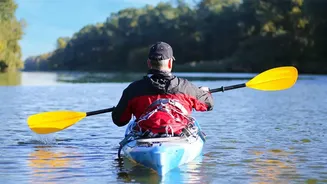





Imagine gliding silently on calm waters, the only sounds being your paddle dipping into the river and the calls of unseen birds. This is the magic of kayaking through the Konkan's mangrove forests, a serene escape with a powerful purpose.
A Journey into the Green Tunnels
The experience
of kayaking in the Konkan backwaters is immersive and deeply peaceful. As you navigate the narrow, winding channels of rivers like the Chapora or the Karli, the dense mangrove trees form a lush canopy overhead, creating what many describe as 'green tunnels'. Sunlight filters through the leaves, dappling the water's surface. Unlike noisy motorboats, a kayak allows you to move almost silently, becoming a quiet observer in a vibrant, living world. This slow, intimate journey brings you face-to-face with the intricate root systems of the mangroves, which rise from the muddy banks like complex sculptures, and allows you to appreciate the stillness of an ecosystem that is teeming with life.
Konkan's Coastal Guardians
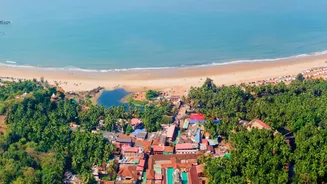
Mangrove forests are one of nature's most effective defense systems. These unique coastal woodlands act as a natural barrier, protecting coastal communities from storm surges and preventing soil erosion. Their tangled roots are more than just a foundation; they are a critical nursery for countless species of fish, crabs, and shrimp, forming the base of the coastal food web. Furthermore, these forests are incredible carbon sinks, absorbing and storing vast amounts of carbon dioxide, which helps mitigate the effects of climate change. The mangrove ecosystems along the Konkan coast, from Raigad down to Sindhudurg, represent a vital bridge between the land and the Arabian Sea, supporting immense biodiversity.
A Paradise for Feathered Friends
The Konkan region is a haven for birdwatchers, with its sanctuaries and coastal habitats hosting hundreds of avian species. The Phansad Wildlife Sanctuary alone is home to over 190 bird species, while the Karnala Bird Sanctuary hosts more than 220 species, including resident and migratory birds. Within the mangrove creeks, it's common to spot a variety of kingfishers, herons, egrets, and ibis. The quiet approach of a kayak makes it possible to observe these birds in their natural habitat without disturbing them, offering incredible opportunities for nature photography and birdwatching. Protecting these mangroves is directly linked to preserving the feeding and nesting grounds for these diverse bird populations.
The Silent Threat of Pollution
Unfortunately, these vital ecosystems are under threat. Coastal development, industrial discharge, and, most visibly, plastic pollution pose a significant danger to the health of Konkan's mangroves. Plastic waste washes into the creeks, where it can get entangled in the complex root systems, harming wildlife and breaking down into microplastics. These tiny particles can contaminate the soil and water, eventually entering the food chain and posing a risk to both marine animals and humans. Chemical pollutants from aquaculture and industry can also poison the water, leading to the degradation of large patches of these essential forests.
Paddling with Purpose
This is where kayaking becomes more than just a leisure activity; it transforms into a form of conservation. The rise of community-based ecotourism in the Konkan provides a sustainable economic alternative for local communities. Initiatives supported by organisations like the Mangrove Foundation of Maharashtra encourage low-impact activities like kayaking and guided boat tours. When you pay for a guided kayak tour from a responsible local operator, your money directly supports the livelihood of villagers who then have a vested financial interest in protecting the mangroves. This model creates a virtuous cycle: tourism provides income, which incentivises conservation. The presence of tourists also acts as a deterrent to illegal dumping and other harmful activities, turning the waterways into informally monitored sanctuaries.