
Cosmic Cradles Revealed
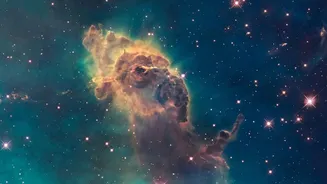
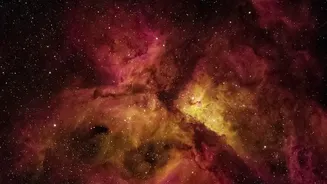
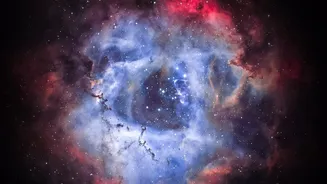
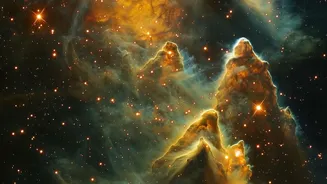
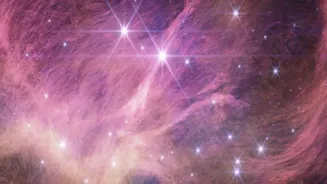
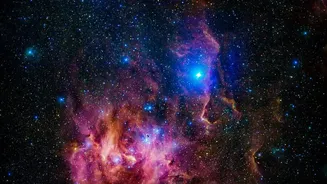
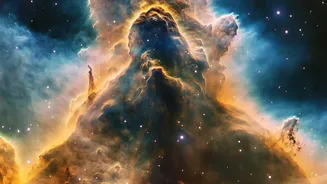
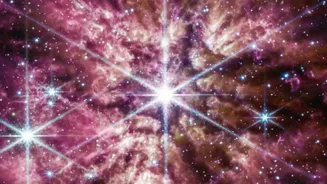
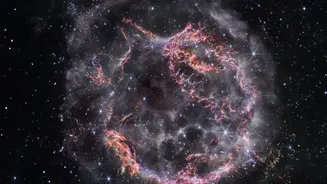
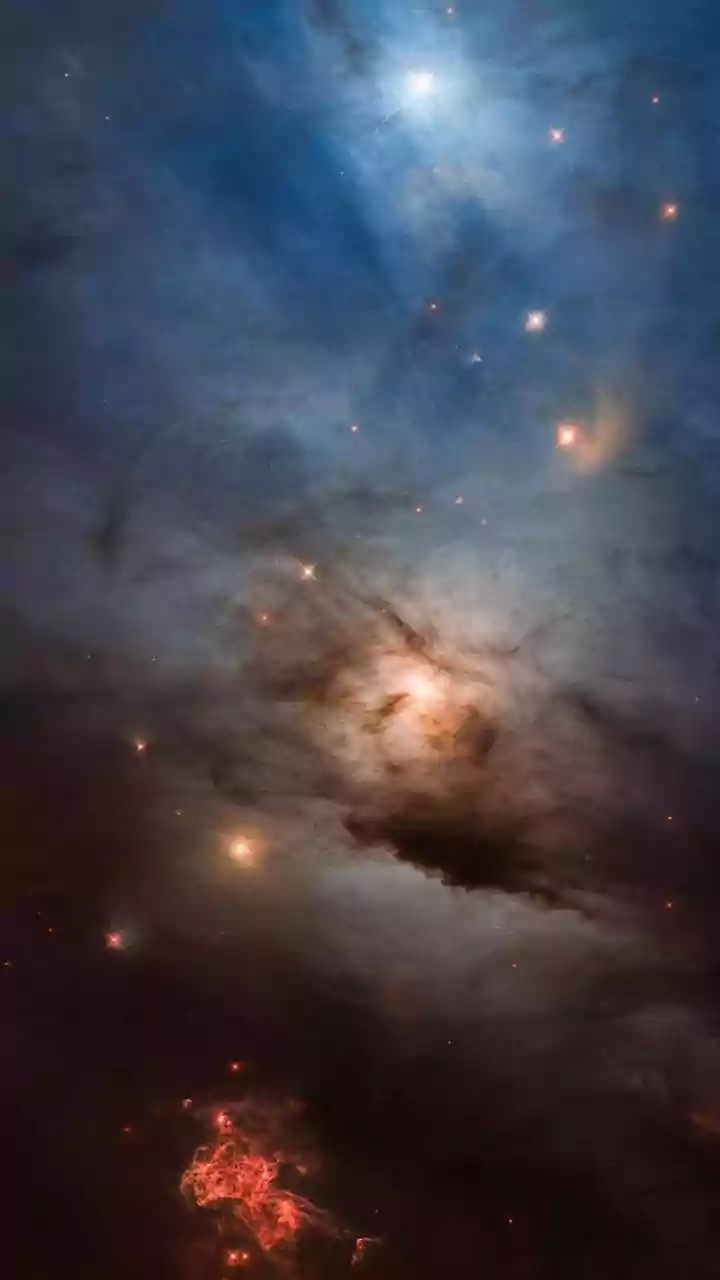
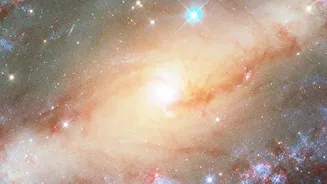
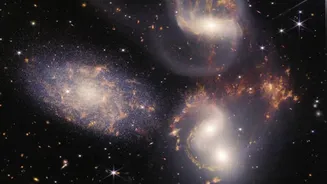
The latest dispatches from the James Webb Space Telescope (JWST) have left astronomers breathless. By pointing its powerful instruments at what appeared to be dark, empty patches of sky, the telescope has uncovered vibrant, bustling stellar nurseries
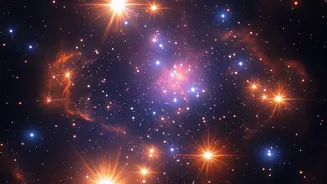
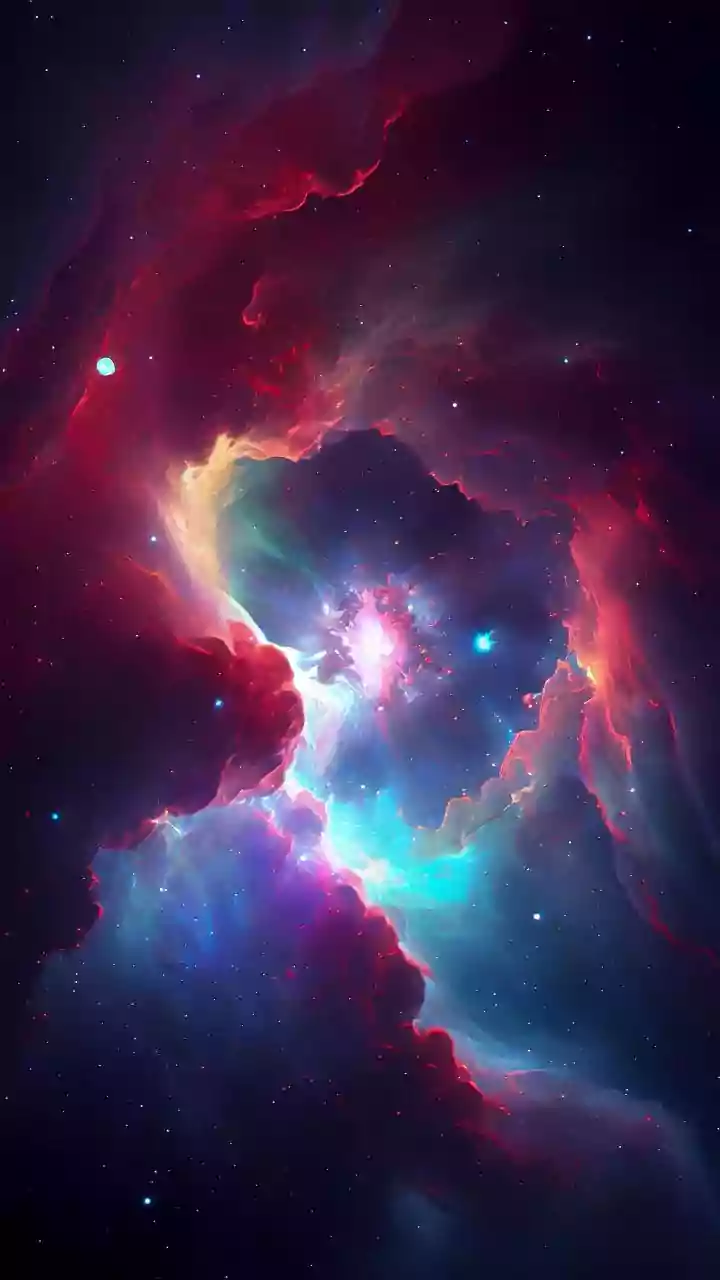
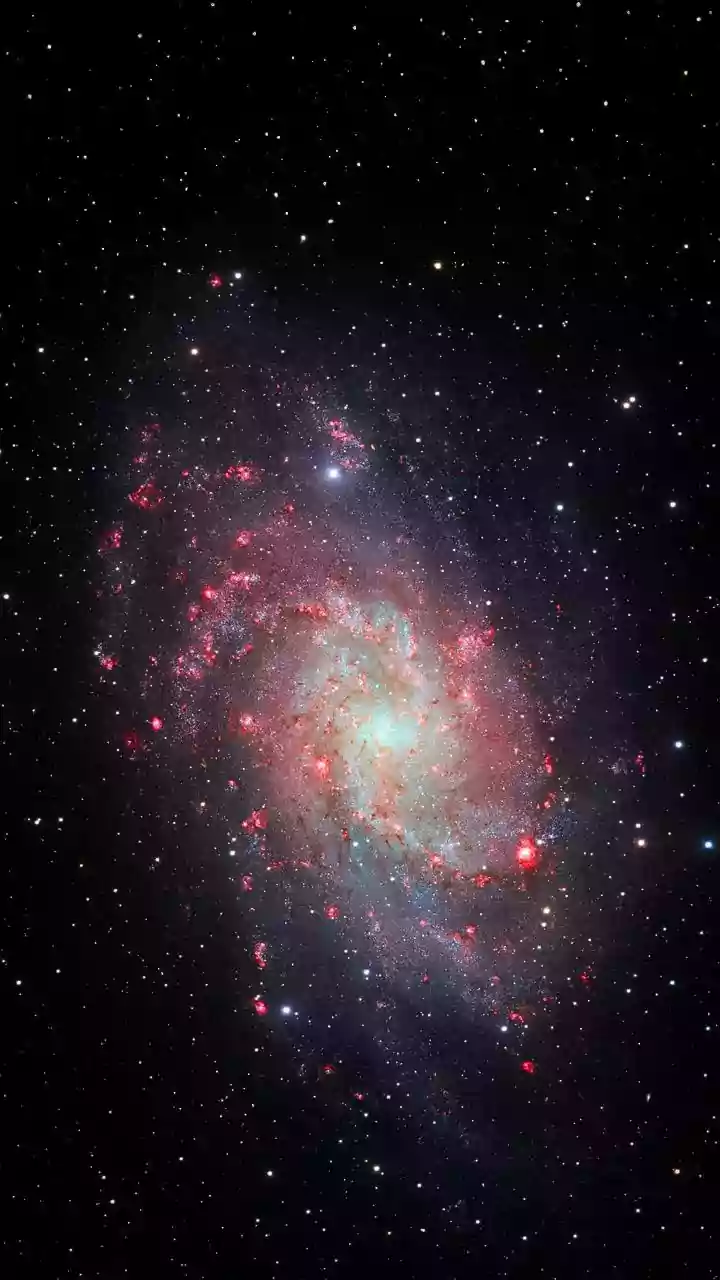
hidden deep within distant galaxies. These regions, where new stars are born, were previously concealed by thick clouds of cosmic dust. The new images show thousands of previously unseen young stars, appearing like crimson jewels against the dark tapestry of space. These aren't just pretty pictures; they are detailed maps of cosmic creation, showing how gas and dust collapse under gravity to ignite and form the next generation of stars.
What Exactly Is a Stellar Nursery?
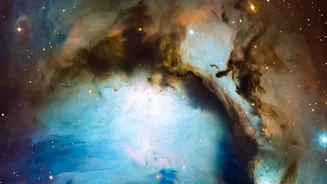
Think of a stellar nursery as a cosmic maternity ward. These are immense clouds, sometimes hundreds of light-years across, composed of gas (mostly hydrogen) and dust. Within these nebulae, gravity pulls dense pockets of material together. As these clumps contract, they heat up, forming what is known as a protostar—a baby star. Eventually, the core becomes so hot and dense that nuclear fusion begins, and a new star officially switches on, blasting its surroundings with light and stellar winds. These nurseries are the factories that have built almost every star you see in the night sky, and JWST is giving us an unprecedented look at how they work.
Webb's Infrared Superpower
So, why were these stellar nurseries a secret until now? The answer lies in Webb's unique ability to see the universe in infrared light. The vast clouds of cosmic dust that blanket these nurseries are opaque to telescopes that see in visible light, like the Hubble Space Telescope. For those instruments, the dust is like an impenetrable wall. However, infrared light has a longer wavelength that can pass through the dust, much like how you can hear muffled music through a closed door. JWST’s giant mirror and sophisticated infrared cameras are designed specifically to capture this light, allowing it to peer inside these dusty cocoons and witness the star-birth process directly. This has effectively given scientists a new set of eyes to explore the hidden universe.
Why This Discovery Matters
Uncovering these hidden nurseries does more than just add to our celestial photo album. It fundamentally changes our understanding of how galaxies evolve. By seeing how many stars are forming inside these distant galaxies, scientists can more accurately estimate their mass and growth rate. Early findings suggest that star formation might be far more vigorous and widespread in the early universe than previously thought. Studying these regions helps astronomers piece together the story of our own cosmic origins. The elements forged inside stars—the carbon in our bodies, the oxygen we breathe—all originated in stellar furnaces that were born in nurseries just like these. By watching new stars come into being, we are learning more about the origins of life itself.