







The Slow Death of the Big Annual Vacation
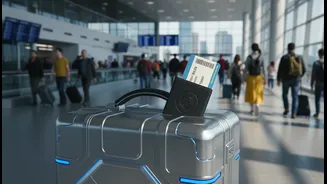
The idea of the grand, two-week annual holiday is beginning to feel like a relic. For a growing number of Indians, especially Gen Z and millennials, the model of saving up all year for one big trip is broken. In its place, the 'micro-break' or 'micro-cation'
is taking hold. These are short, purposeful trips, lasting anywhere from two to four days, often tacked onto a long weekend. It’s not just a shorter holiday; it’s a fundamental shift in travel philosophy. Reports indicate a significant rise in people taking multiple shorter trips per year, with a majority of young Indian travellers now preferring this approach to a single long break. Travel is no longer a once-a-year event but is being woven into the fabric of life as a regular, necessary habit.
A Response to Chronic Burnout
This trend isn't just about wanderlust; it's a direct response to a modern crisis: workplace burnout. India reports some of the highest rates of employee burnout and stress globally. A culture of overwork, constant digital connectivity, and high pressure has pushed many to the edge. In this environment, travel has evolved from a luxury into a coping mechanism. Psychologists note that the positive, stress-reducing effects of a holiday fade quickly, often within a week of returning to work. This makes a single annual vacation insufficient for managing chronic stress. Frequent, shorter breaks provide regular opportunities to mentally detach and recover, acting as crucial 'mental resets' that help prevent the slow creep of exhaustion from turning into full-blown burnout.
The Practical Appeal of the Mini-Break
Beyond wellness, the logistics and economics of micro-breaks are far more practical for many. The sheer stress of planning a long holiday—managing finances, coordinating leave, and creating a packed itinerary—can be overwhelming. Research shows trip planning itself is often the most stressful part of a vacation. Shorter trips dramatically lower this barrier. They are easier to organise, require fewer leave days, and are gentler on the wallet, making travel more accessible. Instead of one large financial hit, the cost is spread out. This accessibility is driving a boom in road trips and exploration of nearby destinations, as travellers seek spontaneity and freedom over rigid, complex plans.
More Joy, Less Stress
The benefits of this new approach are compelling. Psychologists argue that spreading out holidays provides a more sustained level of happiness throughout the year. The anticipation of an upcoming trip is a powerful mood booster, and having several getaways on the horizon means you always have something to look forward to. Furthermore, the return to work after a short break is often less daunting. There's less of a work pile-up and reduced 're-entry' anxiety compared to coming back from a long absence. These bite-sized trips force a focus on quality over quantity; with only a few days, travellers prioritise the experiences that matter most, leading to a more potent and memorable dose of restoration.