


The Ancient Art of Transformation
At its heart, the process behind foods like sauerkraut and kimchi is known as lacto-fermentation. It sounds scientific, but it’s beautifully simple and doesn't require any dairy. The 'lacto' refers to Lactobacillus, a type of beneficial bacteria that
lives on the surface of all plants. When you submerge vegetables in a saltwater brine, you create the perfect environment for these good bacteria to thrive while suppressing the harmful kinds that cause spoilage. These hardworking microbes then get to work, converting the natural sugars in the vegetables into lactic acid. This acid acts as a natural preservative, giving fermented foods their characteristic tangy flavour and keeping them safe to eat for months without a drop of oil or vinegar.
Your Gut's Best Friends
The real magic of fermentation lies in the creation of probiotics. These are live, beneficial bacteria that support the complex ecosystem in your gut. A healthy gut microbiome is linked to improved digestion, a stronger immune system, and even reduced inflammation. Fermented vegetables are teeming with these probiotics, making them true 'powerhouses' for your health. Unlike pickled foods that use vinegar and heat, which kill live cultures, traditional fermentation keeps these beneficial microbes intact. Regular consumption of foods rich in strains like Lactobacillus plantarum and Lactobacillus brevis can enhance your gut barrier and help regulate immune responses. It’s a simple, natural way to add more gut-friendly foods to your diet.
A Taste of Global History
Fermentation wasn't born from a health trend; it was a necessity. For millennia, it was one of the primary methods of preserving the harvest to survive long winters. Evidence suggests preserved cabbage was used as far back as the 4th century BC. While many associate sauerkraut with Germany, some historians believe the practice originated in China before arriving in Europe. Similarly, kimchi, the national dish of Korea, has a history dating back over two thousand years, starting as simple salted vegetables long before chilli peppers were introduced in the 17th century. These traditions, born from a need to prevent food waste, show how different cultures independently harnessed the same natural process to create unique and flavourful staples.
The Simple Science in Your Kitchen
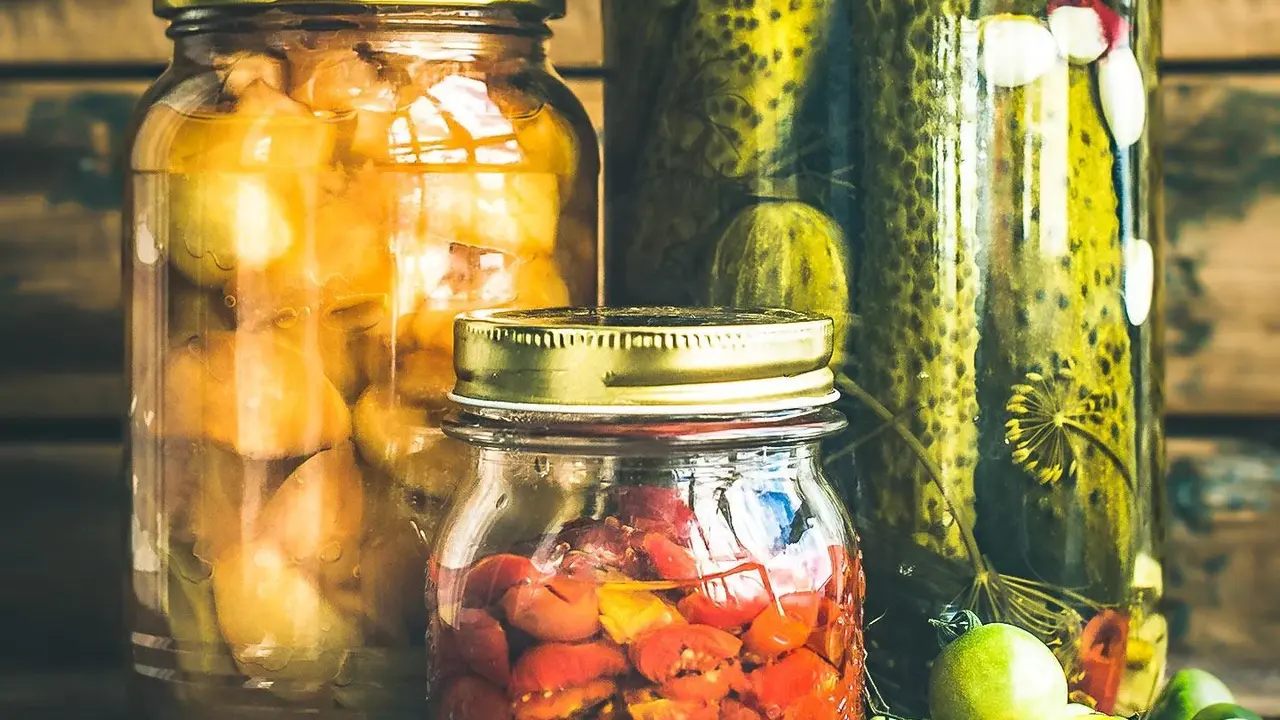
The process is far less intimidating than it sounds. It requires just a few basic items: a glass jar, vegetables, salt, and non-chlorinated water. The key is creating an anaerobic (oxygen-free) environment. By shredding or chopping vegetables and submerging them under a saltwater brine, you cut off the oxygen supply. Salt is crucial as it pulls water from the vegetables, creating the brine, and inhibits the growth of undesirable microbes. This allows the salt-tolerant Lactobacillus bacteria to take over. They feast on the vegetable's sugars and, in a few days to a few weeks at room temperature, transform the humble ingredients into a fizzy, sour, and probiotic-rich food. Once the desired flavour is reached, moving the jar to the fridge slows the fermentation to a near halt, preserving it for weeks or months.