



What is This Tangy, Fermented Drink?
Kanji is a traditional fermented beverage originating from the Indian subcontinent, particularly popular in North Indian states like Punjab and Uttar Pradesh. At its heart, it's a simple concoction, most famously made with black carrots (kali gajar),
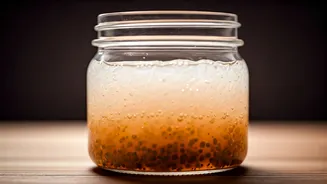
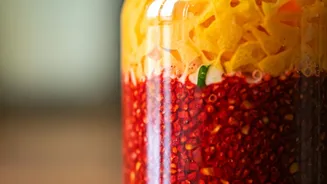
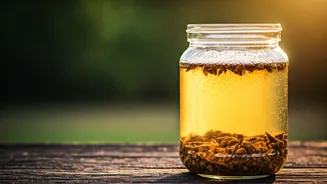
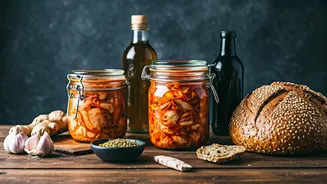
water, salt, and coarsely ground mustard seeds. The ingredients are combined in a large glass or ceramic jar and left to ferment in the sun for several days. This natural process transforms the mixture into a beverage with a complex flavour profile — tangy, savoury, slightly pungent, and deeply refreshing. The black carrots lend the drink its iconic deep purple, almost wine-like hue, making it as visually stunning as it is flavourful. Though traditionally a winter drink to coincide with the black carrot season, variations using red carrots and beetroot are popular year-round alternatives.
A Sip of History and Tradition
Kanji isn't just a drink; it's a taste of cultural heritage. For generations, it has been a staple in homes, especially during the transition from winter to spring. It is intrinsically linked with the festival of Holi, often prepared in large batches to be shared with family and friends as a digestive tonic and a festive cooler. The practice of making Kanji speaks to a tradition of seasonal eating and using simple, natural processes to create something both delicious and beneficial. The knowledge was passed down through generations, with grandmothers often presiding over the large ceramic jars (martabans) left in the sun, a familiar sight in many courtyards. Its revival today is part of a larger movement of looking back to traditional food wisdom for modern wellness solutions.
India’s Original Probiotic Powerhouse
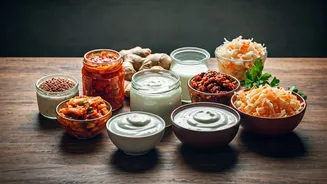
In today’s gut-obsessed world, Kanji stands out as an original Indian probiotic. The magic lies in fermentation, where naturally present bacteria, primarily Lactobacillus strains, multiply. These are the ‘good’ bacteria that are excellent for digestive health. Regular consumption of Kanji can help balance the gut microbiome, improve digestion, and reduce issues like bloating and constipation. But the benefits don't stop there. The drink is a low-calorie, hydrating alternative to sugary sodas. The black carrots are a rich source of antioxidants, particularly anthocyanins, which fight oxidative stress. The mustard seeds also have anti-inflammatory and antimicrobial properties, making Kanji an all-around immunity-boosting tonic.
Beyond Carrots: Other Kanji Variations
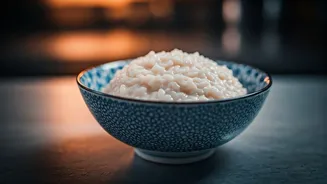
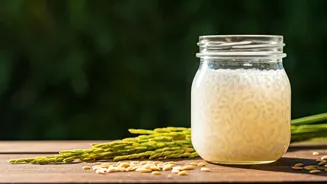
While black carrot kanji is the most well-known version, the term 'kanji' can refer to different fermented beverages across India. In South India, for instance, Rice Kanji is a cherished wellness remedy. Made from fermenting leftover cooked rice in water, it creates a nourishing, probiotic-rich gruel that is gentle on the stomach and deeply hydrating. This version was historically a way to prevent food waste while creating a nutrient-dense drink for energy and recovery. Other variations include using different vegetables like turnips or just beetroot to create the fermented drink, each offering a slightly different flavour profile and set of nutrients but all sharing the same principle of natural fermentation.
How to Make Kanji at Home
Making your own Kanji is surprisingly simple and requires no special equipment. You’ll need a large, clean glass jar (around 2 litres), 250 grams of black carrots (or red carrots and a small beetroot), 1.5 litres of filtered water, 2 tablespoons of coarsely ground mustard seeds, and salt to taste (about 1.5 tablespoons is a good start). Wash and chop the carrots into finger-length sticks. Place them in the jar. Add the ground mustard, salt, and a pinch of red chilli powder if you like a bit of heat. Pour in the water and stir well with a clean spoon. Cover the jar with a muslin cloth or a loose lid and place it in a sunny spot for 2 to 4 days, stirring once daily. The fermentation time depends on the warmth of the sun. You’ll know it’s ready when it has a pleasantly sour and tangy smell and taste. Once fermented, you can strain the liquid and refrigerate it. The pickled carrots are also delicious to eat.