



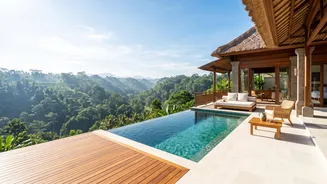

Analyse the Professional Photos
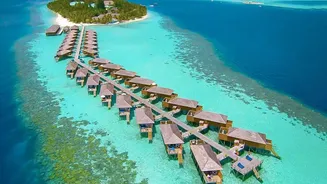
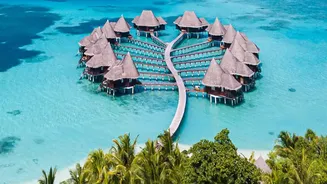
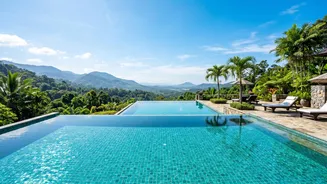
A resort’s official gallery is its best sales pitch, and it’s wise to view it with a critical eye. Professional photographers use techniques to make spaces look bigger, brighter, and more luxurious than they might be in reality. Wide-angle lenses can
make a standard room feel palatial or a small pool look expansive. Pay attention to the lighting; many exterior shots are taken during the 'golden hour' just after sunrise or before sunset, which casts a magical glow that isn't present midday. Similarly, heavy editing can saturate colours, making the sea look impossibly blue and the gardens unnaturally lush. These images aren't necessarily lies, but they are a highly polished version of the truth, designed to sell an experience.
Become a Guest Review Detective
Guest reviews on platforms like Google, TripAdvisor, and specific booking sites are your most powerful tool. However, simply looking at the star rating is not enough. Read a range of recent reviews, looking for recurring themes. One bad review about slow service might be a one-off, but if ten reviews in the last month mention it, you've found a pattern. Pay close attention to management’s responses. A hotel that responds professionally and courteously to both positive and negative feedback shows a commitment to guest satisfaction. Also, analyse the specifics. Vague praise is less useful than a review that says, ‘The room was spotless, and the staff at the front desk were incredibly helpful with booking tours’. This level of detail provides actionable insight into what you can truly expect.
Hunt for Unfiltered Guest Photos
While professional shots are staged, guest photos are candid. Look for the 'traveller photos' sections on review websites. These unedited snapshots show the resort on a normal day—with other people, in different weather, and from less-than-perfect angles. This is where you’ll see the actual size of the pool, the real condition of the beach chairs, and whether the 'ocean view' is obstructed by a neighbouring building. Social media is another goldmine. Search for the resort’s location tag or relevant hashtags on Instagram to see photos and videos posted by recent guests. This gives you a real-time, unfiltered look at the property and the experiences people are having there.
Use Digital Maps to Scout the Location
A resort’s location is just as important as its amenities. Use Google Maps to get a true sense of the surroundings. The satellite view will show you what’s really next door—is it a pristine beach or a busy construction site? Use the Street View feature to take a virtual walk around the neighbourhood. This can help you verify claims like 'steps from the beach' or 'a short walk to town'. You can also measure distances to see if that 10-minute walk to the nearest restaurant is realistic. It’s important to remember that these images may be several months or even years old, but they still provide a far better sense of place than marketing materials.
Read the Fine Print on Costs and Amenities
The advertised nightly rate is often just the beginning. Many resorts add mandatory daily 'resort fees' that cover amenities like Wi-Fi, pool access, or the fitness centre, even if you don't use them. These fees can add a significant amount to your final bill. Before booking, read the full price breakdown to check for these charges, as well as other potential costs like parking, early check-in fees, or charges for specific amenities. Make sure you understand exactly what is included in your rate. Is breakfast part of the deal? Are all the restaurants included in an all-inclusive package? A few minutes spent reading the terms and conditions can save you from frustrating and expensive surprises upon arrival.