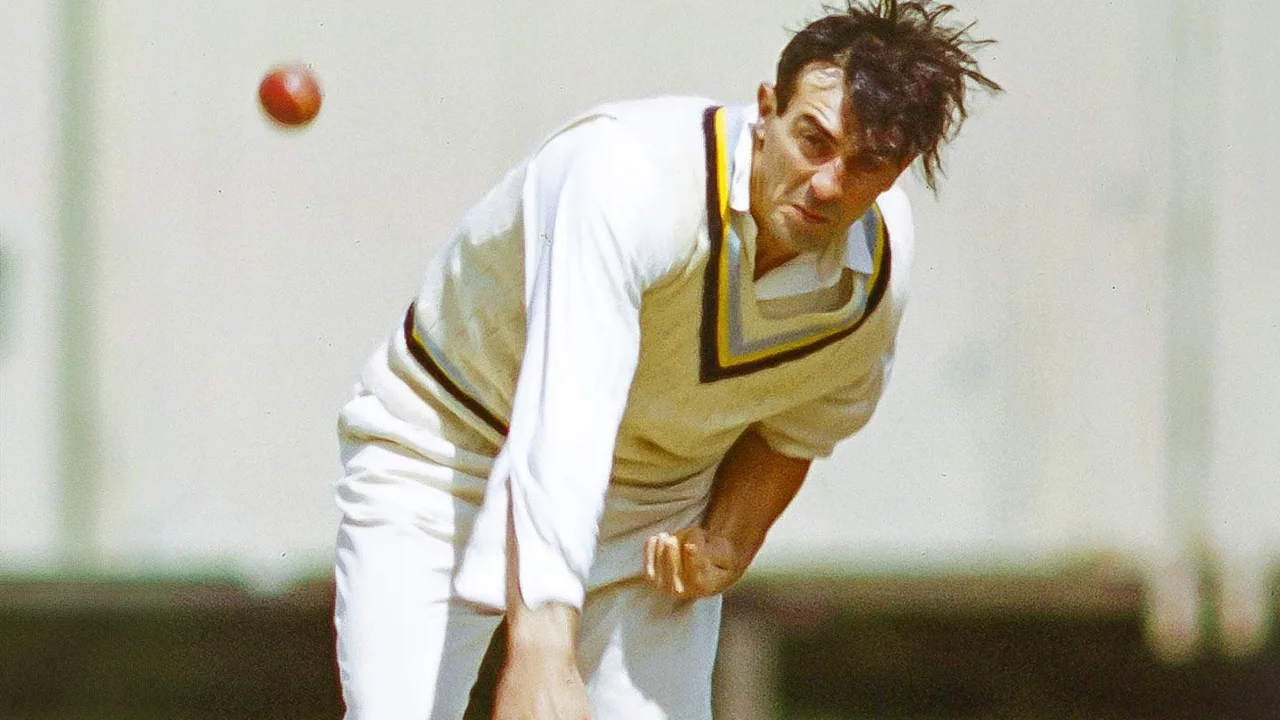



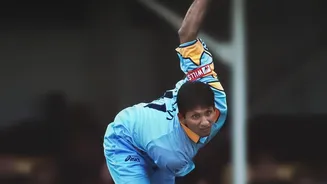
Muttiah Muralitharan
Perhaps no bowler has been more scrutinized than Sri Lanka's Muttiah Muralitharan, the leading wicket-taker in Test history. Murali's action, characterized by a hyper-flexible wrist and a permanently bent elbow due to a congenital deformity, created an optical
illusion of a throw. The controversy peaked on Boxing Day 1995 in Australia, when umpire Darrell Hair repeatedly no-balled him for throwing. This incident led to years of debate, biomechanical analysis, and bad blood. After extensive testing, which showed that almost all bowlers flex their elbows to some degree, the International Cricket Council (ICC) cleared his action. The controversy surrounding Murali was a key catalyst for the ICC to formalize the 15-degree elbow extension limit for all bowlers, fundamentally changing how actions are judged.
Saeed Ajmal
At his peak, Pakistan's Saeed Ajmal was arguably the most dangerous spinner in the world, with a 'doosra' that baffled the best. However, his career came to an abrupt halt in 2014 when he was reported for a suspect action. Subsequent independent analysis revealed that his elbow extension was well over the 15-degree limit for all his deliveries, leading to an immediate suspension from international cricket. Ajmal worked to remodel his action and was eventually cleared to bowl again in 2015. However, the magic was gone. His remodeled action lacked the same potency, and he was never able to reclaim his dominant position in the sport, illustrating the career-altering impact of the ICC's crackdown.
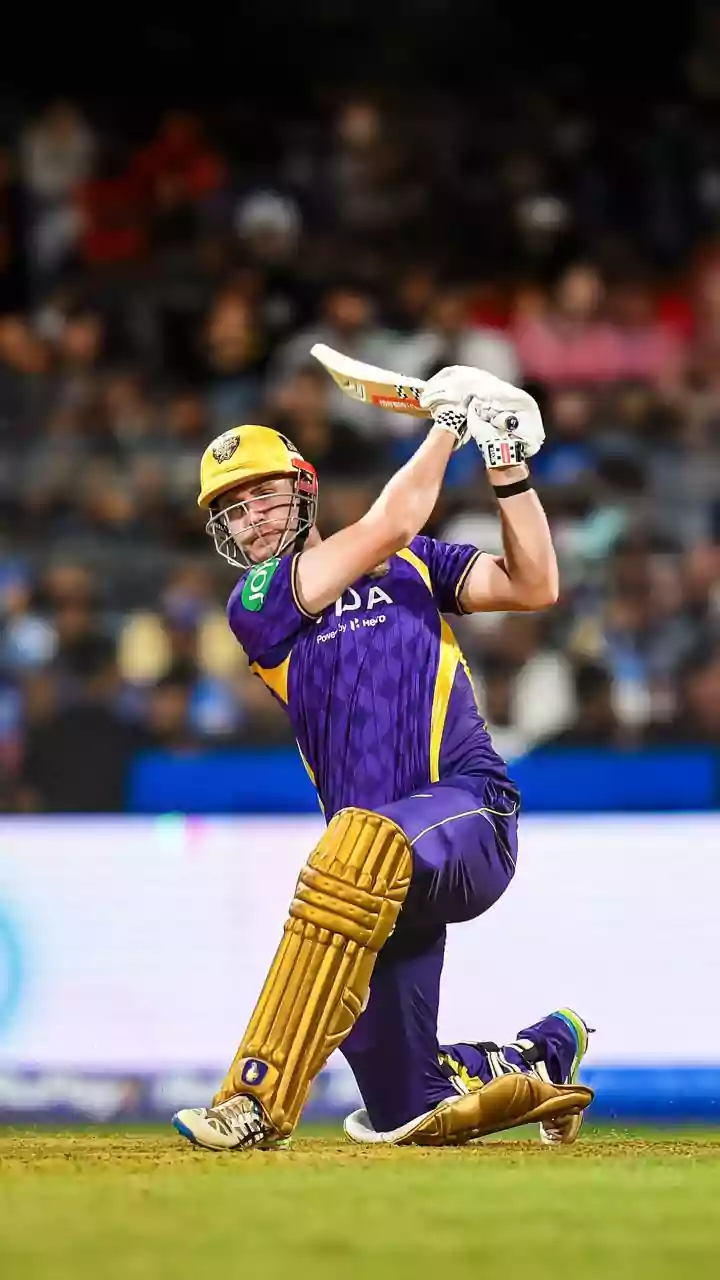
Sunil Narine
West Indian mystery spinner Sunil Narine has built a formidable career, especially in T20 leagues, but his journey has been persistently shadowed by questions about his action. Narine has been reported multiple times throughout his career, both in international cricket and in various franchise tournaments like the IPL and PSL. He was first suspended from bowling in international cricket in 2015 before being cleared after remedial work. The cycle of being reported, undergoing testing, and remodeling his action has been a recurring theme. While he has managed to remain an effective bowler, the constant scrutiny has arguably impacted his availability for the West Indies and forced him to continuously adapt his primary skill.
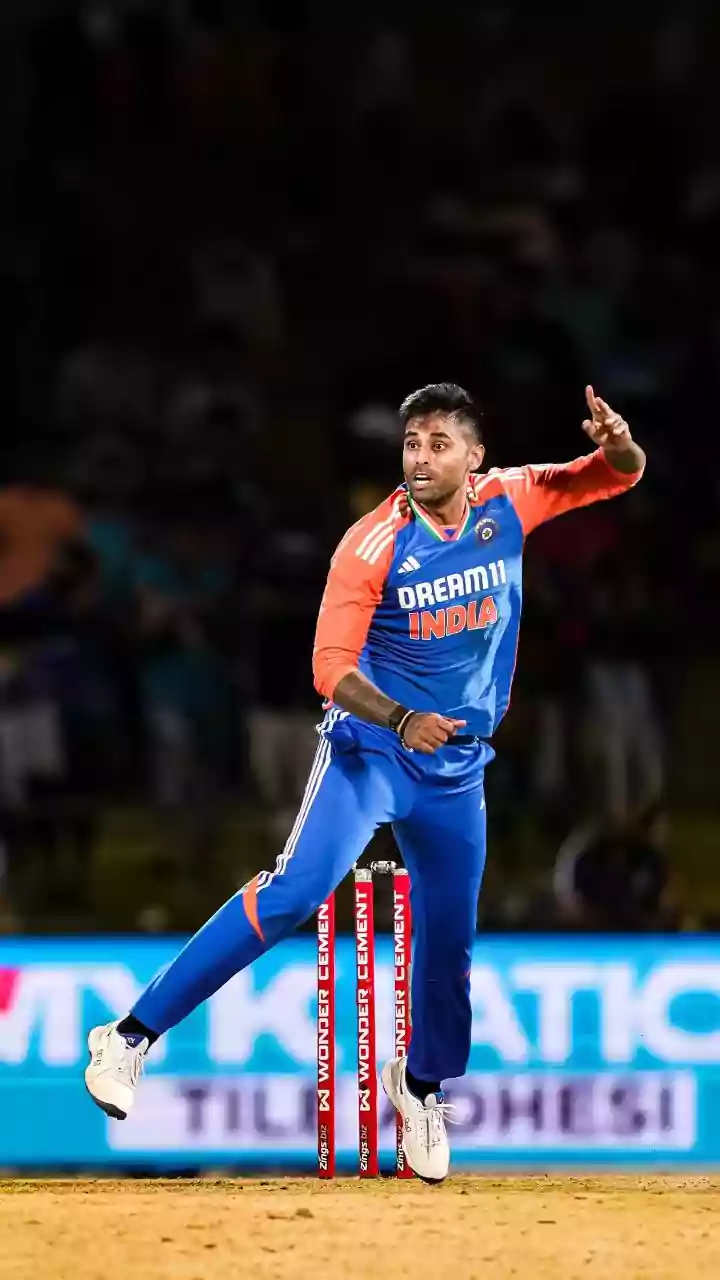
Harbhajan Singh
For India, Harbhajan Singh was a celebrated match-winner, but his potent 'doosra'—the off-spinner's delivery that turns the other way—often attracted controversy. He was first reported for a suspect action in late 2004. After undergoing biomechanical testing, his action was found to be within the tolerable limits set by the ICC, and he was cleared to continue bowling. Despite the official clearance, whispers and commentary about the legality of his doosra persisted for much of his career, especially from opposing teams and international media. The controversy around his action highlights the subjective nature of on-field umpiring versus scientific analysis and the pressure it places on bowlers who rely on such mystery deliveries.
Shoaib Akhtar
Known as the 'Rawalpindi Express', Shoaib Akhtar's blistering pace was his trademark, but the legality of his action was a constant source of debate. The controversy stemmed from his 'hyperextension', a medical condition where joints bend beyond a normal range. To the naked eye, his arm appeared to snap straight at the point of delivery, giving the illusion of a throw. He was reported and briefly banned in 1999, but was later cleared after medical evidence showed his unique arm structure was the cause. Despite being cleared by the ICC, critics, including other prominent cricketers, continued to question his action throughout his career, making him one of the most polarizing figures in the 'chucking' debate.