






What is Iodine and Why is it Essential?
Iodine is a trace mineral that our bodies cannot produce on their own, making it an essential part of our diet. Its most critical role is to serve as a building block for thyroid hormones. The thyroid gland, a small butterfly-shaped organ, traps iodine
from the bloodstream and uses it to synthesize two crucial hormones: thyroxine (T4) and triiodothyronine (T3). These hormones are the body's primary metabolic regulators. They control how our cells use energy, influencing everything from heart rate and body temperature to growth and brain development. Proper thyroid function is therefore impossible without a steady, adequate supply of dietary iodine.
The Consequences of an Iodine Shortfall
When iodine intake is too low, the thyroid gland cannot produce enough hormones, a condition known as hypothyroidism. In an effort to compensate, the pituitary gland releases more Thyroid-Stimulating Hormone (TSH), signalling the thyroid to work harder. This relentless stimulation can cause the thyroid gland to enlarge, resulting in a visible swelling in the neck called a goitre, often the earliest clinical sign of deficiency. Symptoms of hypothyroidism include fatigue, unexplained weight gain, sensitivity to cold, dry skin, thinning hair, and cognitive issues like memory problems. The effects are particularly severe for pregnant women and infants, where deficiency can lead to developmental delays and impaired cognitive function in the child.
India's Fight Against Deficiency
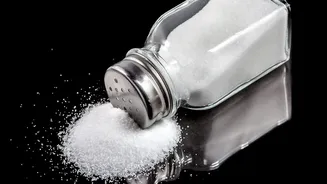
Recognizing the widespread risk due to iodine-deficient soil across the subcontinent, the Government of India took action decades ago. The National Goitre Control Programme was launched in 1962, later renamed the National Iodine Deficiency Disorders Control Programme (NIDDCP) in 1992 to reflect the broader spectrum of health issues. The cornerstone of this public health initiative is Universal Salt Iodization (USI), which aims to ensure all edible salt is fortified with iodine. This programme has been hailed as a major success, with over 90% of Indian households now consuming iodized salt, dramatically reducing the prevalence of deficiency-related disorders.
How Much Do You Need?
The recommended daily allowance for iodine is relatively small but crucial. For most adults, the recommendation is 150 micrograms (mcg) per day. Pregnant and breastfeeding women have higher needs, typically requiring 220 to 290 mcg daily to support both their own health and the development of their baby. While deficiency is a major concern, it's also important not to consume excessive amounts, as very high doses can also disrupt thyroid function. Taking supplements should only be done under the guidance of a healthcare professional, as most people can meet their needs through diet alone.
Finding Iodine in Your Diet
Thanks to the NIDDCP, iodized salt is the most common and reliable source of iodine in the Indian diet. Beyond salt, several foods are naturally good sources. Dairy products like milk and curd (yogurt) are excellent contributors, with a single glass of milk providing a significant portion of the daily requirement. Eggs are another accessible and affordable source. For non-vegetarians, seafood like marine fish and prawns are particularly rich in iodine. Some vegetables and fruits, such as potatoes (with the skin), bananas, and strawberries, contain smaller amounts but can still contribute to your overall intake. Combining these foods with the consistent use of iodized salt is the most effective strategy for preventing deficiency.