







Understanding the Humidity Threat
High humidity is a primary cause of food spoilage in Indian kitchens, especially during the monsoon season when moisture levels can soar. When moisture enters improperly sealed containers, it can cause sugar and salt to clump, biscuits and chips to go
soft, and spices to lose their aroma and develop a cakey texture. More seriously, this damp environment creates the perfect breeding ground for mould and bacteria, which can render food unsafe to eat. Flour and grains are particularly susceptible; excess moisture can lead to a musty smell and accelerate decay. The first step in protecting your food is recognising that the air in your kitchen can be just as much of a threat as any visible pest.
Practical Steps for Moisture Control
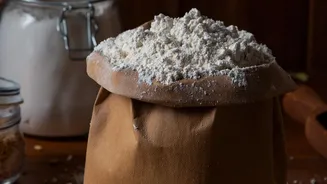
Controlling moisture doesn't require expensive equipment. The most critical step is to transfer grains, flours, and spices from their original paper or plastic bags into airtight containers immediately after purchase. Glass, stainless steel, or high-quality food-grade plastic containers with tight-fitting lids are your best defence. Before filling, ensure containers are completely clean and dry, as even a few drops of water can trap moisture inside. Store these containers in a cool, dark place away from the stove and sink, where steam and heat are prevalent. For added protection in very humid areas, you can place food-safe silica gel packets or a small muslin pouch of dried neem leaves inside larger containers of rice or flour to absorb excess moisture. Some also suggest sun-drying grains for a few hours before storage to reduce their internal moisture content, a traditional and effective practice.
Identifying Common Pantry Pests
Pests often enter our homes unnoticed inside packaged goods. Common culprits in Indian kitchens include rice weevils, flour beetles, and Indian meal moths. Rice weevils are small beetles that infest whole grains, while flour beetles target milled products like atta and maida. The Indian meal moth is another frequent invader; you might first notice the adult moths flying around your kitchen, but it's their larvae that contaminate food. These larvae spin webs in stored products like cereals, nuts, and spices, leaving behind droppings and shed skin. Regularly inspecting your pantry items is key to catching an infestation before it spreads to other packages.
Building a Pest-Proof Pantry
A clean pantry is a pest-resistant pantry. Regularly wipe down shelves, clean up spills immediately, and vacuum corners to remove crumbs that can attract insects. When you find an infested item, discard it immediately in a sealed bag and take the trash out. Natural repellents can also be highly effective. Placing a few dried bay leaves, cloves, or dried neem leaves inside your grain containers can deter pests. Cinnamon sticks on shelves and cotton balls soaked in peppermint oil placed in corners can also help keep insects at bay. Unlike chemical insecticides, which are not recommended for use in food storage areas, these natural methods are safe for your kitchen environment.
Smart Stocking and Storage Habits
How you stock your pantry matters just as much as what you store your food in. Avoid the temptation to buy grains and flours in huge quantities, especially during humid months; purchasing enough for a few weeks at a time reduces the risk of spoilage. When you bring new supplies home, practice the "First-In, First-Out" (FIFO) method: place new items at the back and move older ones to the front to ensure they get used first. Never mix old and new batches of the same food in one container, as this can transfer moisture or hidden pests. Finally, make it a habit to inspect your pantry weekly. A quick check for clumping, unusual smells, or signs of insects allows you to address problems early, long before they can ruin your carefully stocked supplies.