







Air travel in India is set for a significant overhaul. The Ministry of Civil Aviation has announced the 'Bharatiya Vayuyan Niyam, 2026', a new set of rules effective January 1, 2027, that will change how flight tickets are priced and displayed.
A New Era for Aviation Rules
The government
has officially notified a new regulatory framework for the civil aviation sector, set to replace the nearly 90-year-old Aircraft Rules of 1937. This comprehensive update, named the Bharatiya Vayuyan Niyam, 2026, aims to modernise the entire ecosystem of Indian aviation. The new rules cover a wide range of areas, including aircraft registration, airworthiness certification, personnel licensing, flight operations, and airport infrastructure standards. The primary goal is to enhance passenger transparency, improve safety standards, and provide a clearer framework for both airlines and flyers. For the average passenger, the most significant changes will be felt directly in the wallet and during the ticket booking process.
The End of Hidden Charges
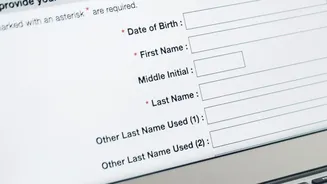
The centerpiece of the new rules for passengers is a mandate for fare transparency. From January 1, 2027, airlines will be legally required to provide a complete and clear breakdown of the total ticket price at the time of booking. This means the price you see will have to be itemised, showing the base fare, taxes, fees, and, crucially, cancellation charges and refund conditions separately. This applies to both Indian and foreign airlines operating in the country. The aim is to eliminate the surprise of hidden fees and allow passengers to make more informed comparisons between different carriers, not just based on the initial fare but on the total cost and flexibility of the ticket.
Government Power to Intervene in Pricing
In a significant policy shift, the new framework gives the central government the power to intervene in air ticket pricing during 'extraordinary situations'. While airlines will continue to set their fares based on market demand and operational costs in normal circumstances, the government can step in to regulate prices in the public interest. The rules do not explicitly define what constitutes an 'extraordinary situation', leaving it to the government's discretion. This power is intended to be used temporarily to protect consumers from sharp, uncontrolled price hikes during crises or periods of high demand, a move that follows concerns raised in the Supreme Court over arbitrary fares.
What This Means for Your Travel Plans
While these rules do not guarantee cheaper tickets across the board, they promise a more transparent booking experience. Knowing the full cancellation policy and associated fees upfront will allow you to choose a fare that best suits your travel needs, whether you need flexibility or the lowest possible cost. The Directorate General of Civil Aviation (DGCA) will actively monitor the tariffs set by airlines to ensure compliance. Passengers should get into the habit of checking this detailed fare breakdown before finalising their booking. It empowers you to understand precisely what you are paying for, from the fuel surcharge to airport fees, making you a smarter traveller.
Beyond Fares:_ A Focus on Safety
The Bharatiya Vayuyan Niyam,_ 2026,_ extends beyond financial matters,_ placing a renewed emphasis on operational safety. The framework includes updated provisions for flight and duty time limitations for pilots and cabin crew,_ which are designed to prevent fatigue and enhance safety. It also lays down more stringent requirements for the qualification and licensing of key aviation personnel,_ including pilots,_ aircraft maintenance engineers,_ and air traffic controllers. These behindthescenes changes are crucial for maintaining a safe and reliable aviation network as the industry continues to grow.