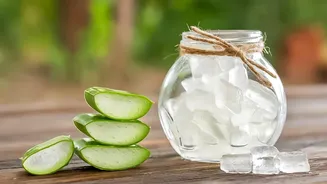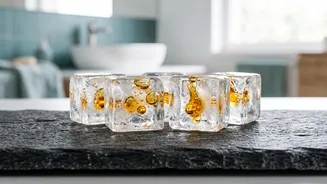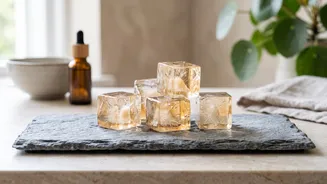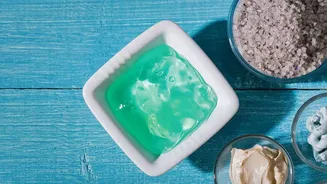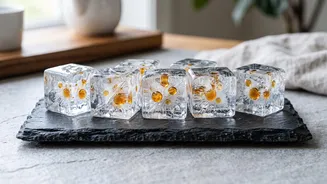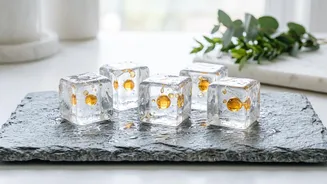




The latest DIY skincare trend making waves online involves freezing cucumber, aloe vera, and potato juice into ice cubes. But can this simple concoction truly deliver on the promise of its 'retinol' name? Let's break it down.
The Allure of Skin Icing
First, let's talk about the
'ice' part. Applying ice or cold compresses to your face, a practice known as skin icing or facial cryotherapy, has become a popular step in many beauty routines. The core idea is that cold temperatures constrict blood vessels. Proponents claim this can lead to a variety of benefits, such as reducing morning puffiness (especially around the eyes), calming inflammation from acne, and temporarily minimizing the appearance of pores. The cold can also boost circulation as your body works to warm the skin, potentially leading to a temporary healthy glow. While many of these claims are based on anecdotal evidence, the principles are rooted in how our bodies respond to cold.
The 'Retinol' Misnomer
Here's where we need to clear the air. The term 'retinol' in the name is catchy, but it's not scientifically accurate. Retinol is a specific, powerful derivative of Vitamin A. It's a gold-standard skincare ingredient celebrated for its ability to accelerate skin cell turnover, boost collagen production, and reduce the appearance of fine lines, wrinkles, and hyperpigmentation. Retinol is a complex molecule that is either found in animal-derived foods or synthetically produced for skincare products. The ingredients in these ice cubes—cucumber, aloe, and potato—do not contain retinol. However, this doesn't mean they aren't beneficial. It's more accurate to think of this DIY recipe as a soothing, brightening treatment rather than a true retinol alternative.
Power of the Ingredients
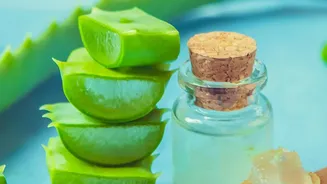
While not a source of retinol, the combination of cucumber, aloe vera, and potato juice offers a potent mix of skin-loving properties. Cucumber is about 96% water, making it incredibly hydrating and cooling. It's packed with nutrients like Vitamin C and caffeic acid that help soothe irritation and reduce swelling. Aloe vera is another hydration hero, known for its ability to moisturize without feeling greasy. It has anti-inflammatory and antibacterial properties, making it excellent for calming irritated skin and even helping with acne. The surprise powerhouse here is potato juice. It contains an enzyme called catecholase and Vitamin C, which can help brighten the skin and reduce the appearance of dark spots and hyperpigmentation over time.
How to Make the Ice Cubes
Ready to try this soothing treatment for yourself? It's incredibly simple to make at home. You will need half a cucumber (peeled), two tablespoons of fresh aloe vera gel, and two tablespoons of potato juice. To get potato juice, simply grate a small potato and squeeze the pulp through a cheesecloth or strainer. Combine all the ingredients in a blender and blend until you have a smooth liquid. For an extra nutrient boost, you can add the oil from a Vitamin E capsule. Pour the liquid mixture into a clean ice cube tray and freeze it overnight. Your soothing facial cubes will be ready to use in the morning.
Safe and Effective Use
To use, take one ice cube and gently rub it over your clean face in circular motions. Don't hold the ice on one spot for too long, as direct and prolonged contact can potentially cause irritation or even an ice burn. It's often recommended to wrap the ice cube in a thin cloth to be extra safe. After massaging your face for a minute or two, you can let the juice sit on your skin for about 15 minutes before rinsing it off with cool water and following up with your regular moisturizer. It’s best to use these cubes at night or to apply sunscreen afterward, as some of the natural compounds could increase sun sensitivity. Store the cubes in the freezer for up to two weeks for optimal freshness.