






Understanding the Price Adjustment
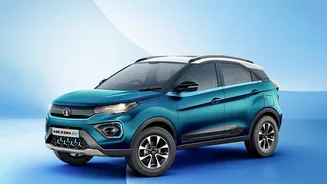
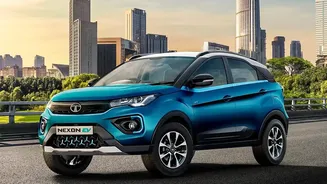
On August 21, Tata Motors announced it will increase prices across its entire passenger vehicle portfolio, including both petrol/diesel (ICE) and electric (EV) models, from September 1, 2026. The company stated the hike would be up to ₹25,000, varying
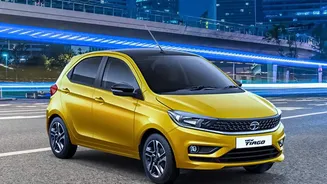
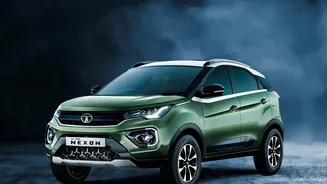
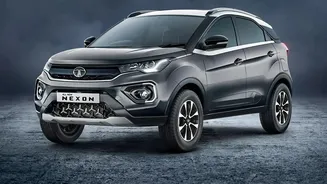
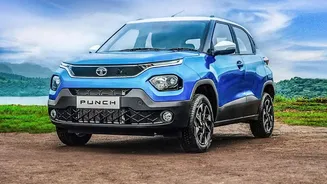
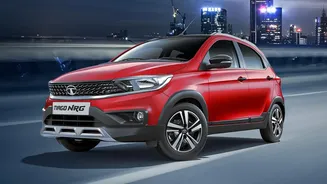
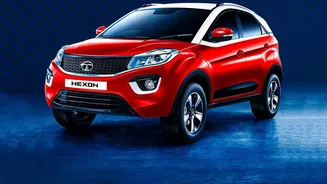
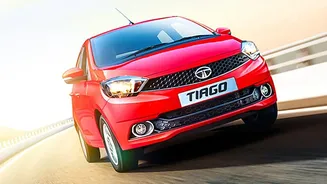
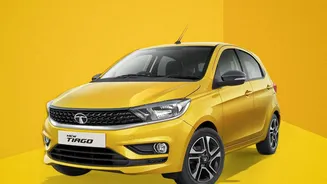
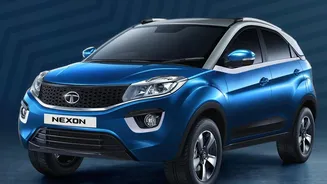
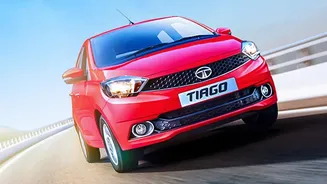
by model and variant. This decision is attributed to rising input costs and sustained inflationary pressures. It’s part of a broader industry trend, with competitors like Hyundai and Maruti Suzuki also having raised prices multiple times in 2026 for similar reasons. For buyers, this means that a car booked from September onwards will come with a revised, higher price tag. The exact increase for popular models like the Nexon, Punch, or Safari has not been detailed, but pricier SUVs will likely see a larger hike than entry-level hatchbacks like the Tiago.
To Buy Now or Wait for Festive Deals?
The price hike creates a classic dilemma: buy now in August to avoid the increase, or wait for potentially better festive season offers in October and November? Historically, the festive period from Navratri to Diwali is when carmakers roll out their most attractive deals, including cash discounts, exchange bonuses, and low-interest finance schemes. However, this year is different. The September price increase could partially or fully negate the value of those festive discounts. For example, a festive offer of ₹30,000 on a model that has become ₹25,000 more expensive is effectively just a ₹5,000 benefit. Buyers should consider that August might be the last month to get certain models at their current prices, though some dealers are already offering discounts on existing stock to clear inventory.
Look Beyond the Ex-Showroom Price
A smart car purchase involves negotiating the total on-road price, not just the sticker price. Even if the ex-showroom price is non-negotiable after the hike, there are other costs where you might find savings. These include insurance, handling or logistics charges, and accessory packages. Dealers often have significant margins on insurance policies and accessories. Buyers should get quotes from external insurance providers to use as a bargaining tool. Question the necessity and cost of every line item in the final invoice. Sometimes, dealers are more flexible on these additional charges, especially towards the end of the month when they are trying to meet sales targets.
Leverage Financing and Exchange Bonuses
A higher price tag can be offset by a favourable financing deal or a strong exchange bonus for your old car. During the festive season, manufacturers often partner with banks to offer lower interest rates or zero-processing-fee loans. An interest rate that is 1% lower can save you a substantial amount over a five-to-seven-year loan tenure, potentially more than the price hike itself. Similarly, getting a good valuation for your old vehicle can directly reduce the down payment and overall cost. It is advisable to get your old car valued by multiple platforms and dealerships to ensure you are getting the best possible exchange offer.
Evaluate All Your Options Carefully
This price hike, Tata's third in 2026, makes it crucial for buyers to reassess their choices. If your heart is set on a specific Tata model, acting in August might be the most financially prudent decision. However, if you are flexible, this could be an opportunity to evaluate competitors' offerings, which may have more compelling discounts or may not have announced a similar price increase yet. Also, consider different variants within the Tata portfolio. A lower-spec variant of your preferred model might still fit your needs and budget, even after the price adjustment. Finally, explore certified pre-owned vehicles, as a new launch or price hike often increases the supply of nearly-new cars in the used market.