



As sisters across India perform the sacred tilak ceremony for Bhai Dooj, one element is as essential as the prayer itself: the mithai. But why are milk-based desserts in particular so deeply woven into the fabric of this celebration?
A Bond Sealed with a Blessing
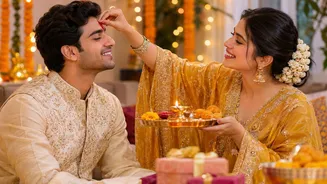
Bhai Dooj, celebrated
on the second day after Diwali, is a festival that honours the unique bond between brothers and sisters. Known by various names like Bhau Beej, Bhai Phonta, and Yama Dwitiya, its essence remains the same across India. The central ritual involves a sister applying a tilak, or tika, on her brother's forehead, performing an aarti, and praying for his long life and prosperity. In return, the brother pledges to protect his sister and showers her with gifts. According to one popular legend, the god of death, Yamraj, visited his sister Yamuna on this day, and she welcomed him with these rituals. Touched by her love, he declared that any brother who receives a tilak from his sister on this day would be blessed with a long life. This exchange, filled with love and tradition, is almost always sealed with a sweet offering, marking a sweet beginning and reinforcing the beautiful relationship.
The Sacred Symbolism of Milk
In Indian culture and Hindu traditions, milk is more than just a nutrient; it's a symbol of purity, life, and abundance. Considered a sattvic food, it is believed to promote clarity and peace of mind. The cow, from which milk is derived, is revered as a maternal figure, a symbol of selfless giving. This makes milk and its derivatives like khoya, paneer, and ghee essential components of religious offerings and ceremonies. By offering milk or sweets made from it, a devotee expresses purity of intention and gratitude. In the context of Bhai Dooj, a milk-based dessert is not just a treat; it represents the sister's pure and unconditional love for her brother, a prayer for his nourishment, and a wish for his prosperity. It’s an offering that is as sacred as the mantra she recites.
A Platter of Milky Delights
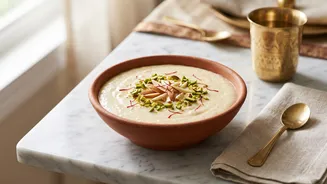
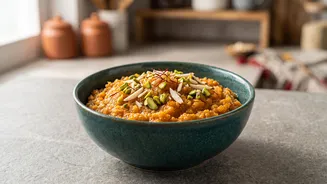
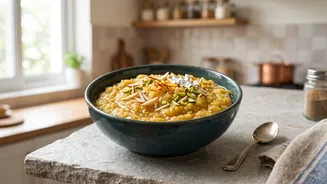
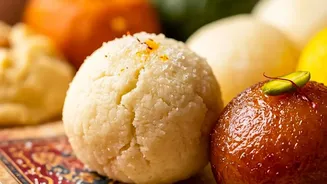
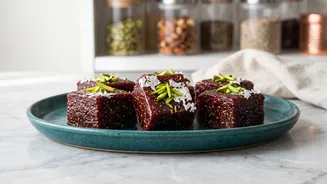
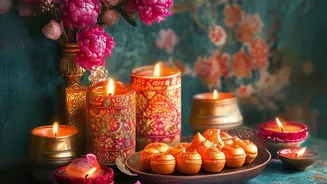
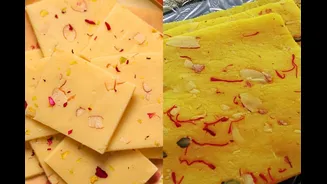
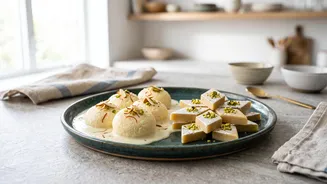
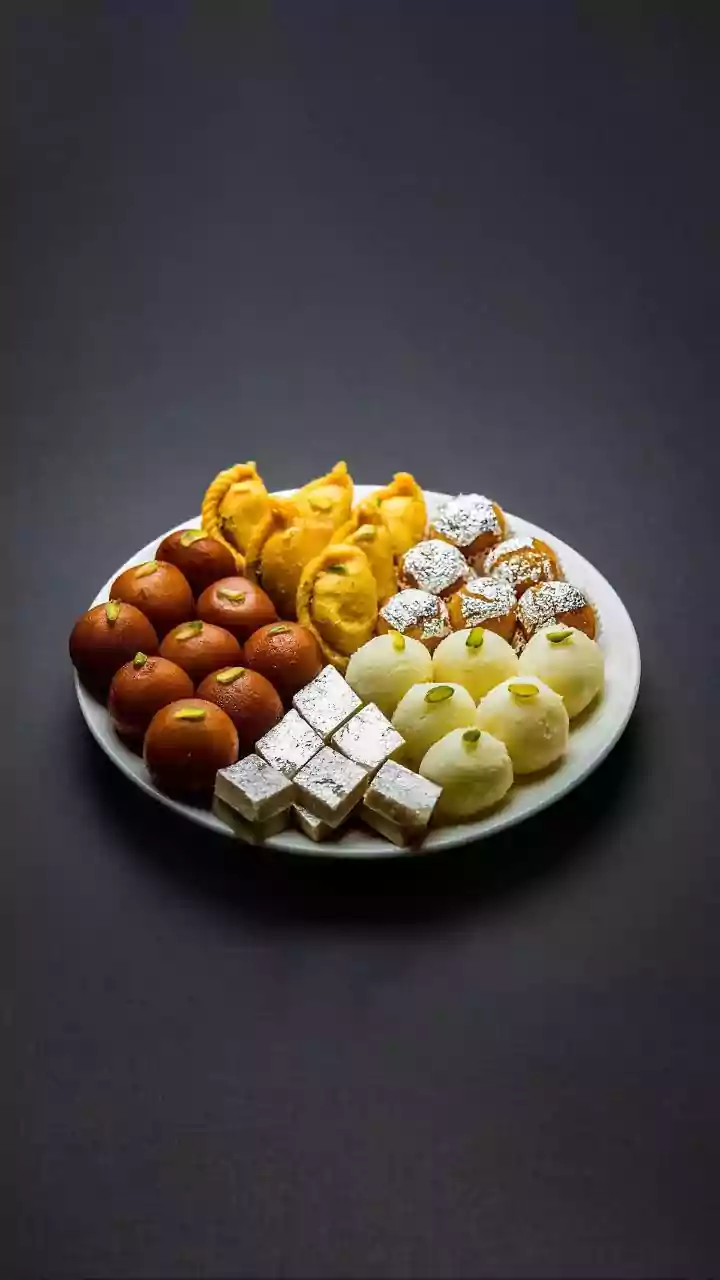
The variety of milk-based sweets prepared during Bhai Dooj is a testament to India's rich culinary diversity. Kheer, a fragrant rice pudding slow-cooked in milk, is a common household preparation, loved for its comforting warmth. Rabri, which involves thickening milk over a low flame until it becomes dense and creamy, is another decadent favourite. Then there are the classics like Peda, a soft, semi-solid sweet made from khoya, and Barfi, a milk fudge that comes in countless flavours. Rasmalai, with its spongy cottage cheese discs soaked in sweetened, saffron-infused milk, offers an elegant touch to the festive platter. Though these sweets vary in texture and preparation, they all start with the same pure, white ingredient, embodying the festival's core sentiment.
Tradition in a Modern World
In an era of chocolates and contemporary desserts, the enduring appeal of traditional milk-based sweets during Bhai Dooj is powerful. While modern gifts and treats are also exchanged, the ritualistic offering of a homemade or traditionally prepared mithai holds a special emotional weight. Many families continue the practice of preparing these sweets at home, turning the kitchen into a hub of festive activity where recipes passed down through generations are brought to life. This act of cooking itself becomes an expression of love. The persistence of these milk_based desserts shows that they are not just food items but carriers of culture, memory, and the unspoken language of sibling affection that defines Bhai Dooj. They nourish the body as well as the bond.