


The Monsoon's Ephemeral Bounty
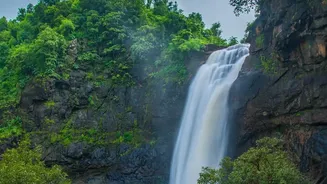
The monsoon season, typically from June to September, transforms the Indian landscape into a fertile ground for fungi. The combination of high humidity, moisture, and warmth creates the perfect conditions for the fruiting bodies of mushrooms to emerge,
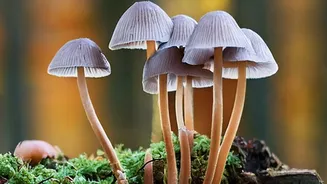
often appearing overnight in forests, on pasture land, and near termite mounds. This seasonal phenomenon has been a part of India's culinary and cultural fabric for generations, with communities, particularly in regions like the Western Ghats, Goa, and the eastern plateau, eagerly awaiting their arrival. Species from the Termitomyces genus, known locally as 'Olmi' or 'Khukhdi', are especially celebrated for their meaty texture and earthy flavours. These mushrooms, which grow in a symbiotic relationship with termites, are almost impossible to cultivate, making their seasonal appearance a truly special event.
The Golden Rule: Forage with Extreme Caution
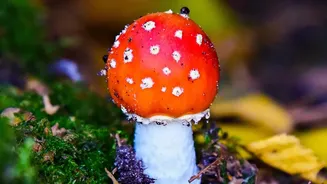
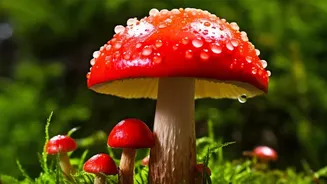
The allure of foraging is powerful, but it comes with a critical responsibility: safety. There is no single rule to distinguish an edible mushroom from a poisonous one, and many delicious varieties have dangerous look-alikes. Cases of mushroom poisoning, sometimes fatal, are reported every monsoon season, often due to misidentification. Experts unanimously agree on one principle: if you are not 100% certain of a mushroom's identity, do not eat it. For beginners, the only safe way to learn is by accompanying experienced local foragers or mycologists. Relying solely on apps or books can be risky, as variations in appearance can be subtle and deadly. The Amanita family of mushrooms, for example, is responsible for the vast majority of fatal mushroom poisonings worldwide.
A Taste of the Wild: Common Edible Varieties
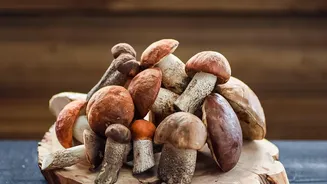
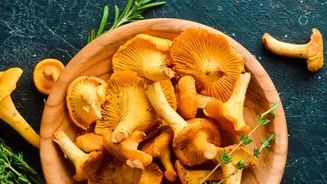
While caution is paramount, India's monsoon forests offer a delicious variety of edible fungi for the knowledgeable forager. Termitomyces mushrooms are a highlight, prized across the country. In Goa and along the Konkan coast, 'Roen Olmi' grows on termite hills and is a key ingredient in fiery coconut curries. In Jharkhand, tribal communities forage for 'Rugda', a pebble-like mushroom that grows beneath the soil, and 'Khukhdi', known for its long, deeply rooted stalk. Kerala boasts at least 15 species of Termitomyces, reflecting its ideal climate and the mushroom's deep cultural significance in the state. These wild varieties offer complex flavours and textures that are entirely different from commercially grown button mushrooms, providing a true taste of the local terroir.
The Forager's Code: Harvesting Sustainably
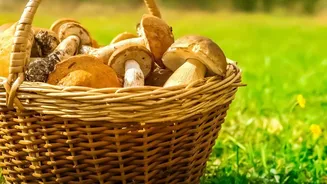
Responsible foraging is about more than just personal safety; it's about ensuring the health of the ecosystem for years to come. Sustainable harvesting practices are crucial. A core principle is to never take everything. Leave plenty of mushrooms behind—especially the very young and the old—to allow them to release their spores and ensure future growth. Use a mesh or wicker basket for collection, as this allows spores to disperse as you walk through the forest. When harvesting, use a knife to cut the mushroom at the base of the stem rather than pulling it out. This leaves the delicate underground mycelial network undisturbed, which is the main body of the fungus. Finally, tread lightly, avoid trampling the surrounding area, and respect that you are a guest in a complex, living environment.
From Forest to Plate: The Joy of Seasonal Eating
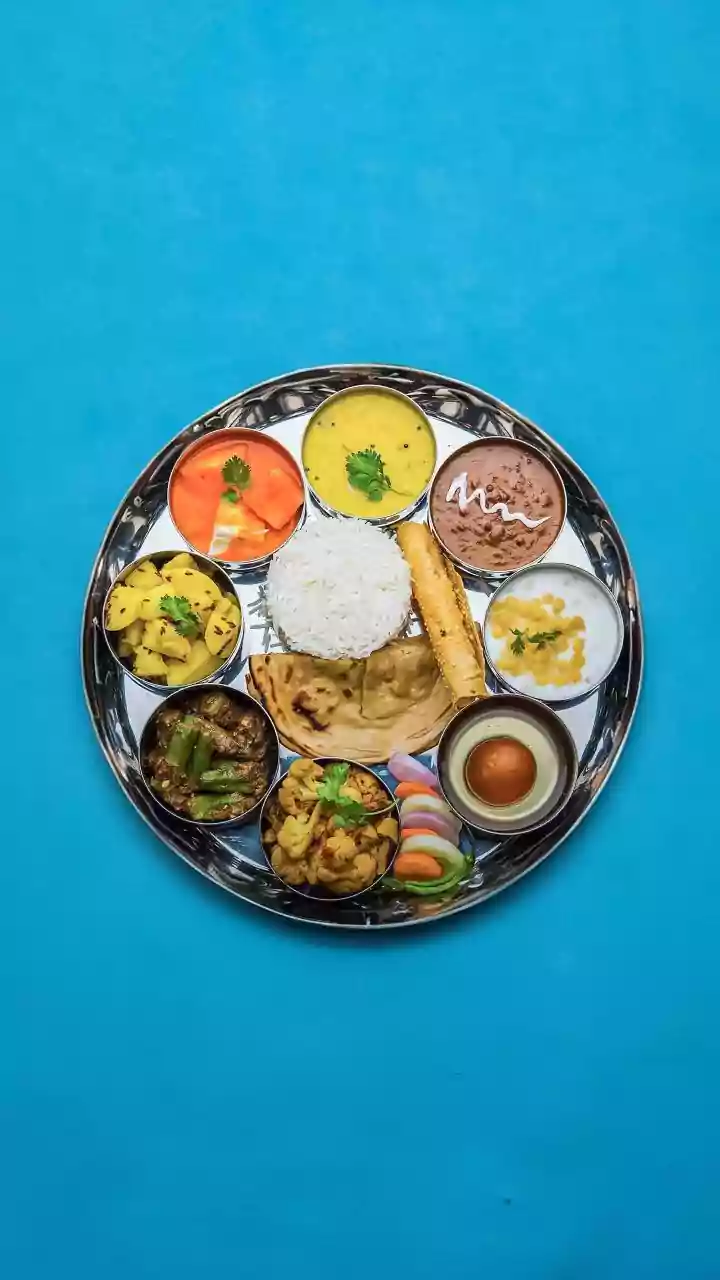
The practice of foraging connects us directly to the seasons and our food source in a way that supermarket shopping cannot. It is a tradition deeply embedded in many indigenous communities, who possess generations of knowledge about local ecosystems. Cooking and eating what you have carefully and respectfully gathered is the final, rewarding step of the process. The fresh, earthy flavours of wild monsoon mushrooms need little adornment—often stir-fried with simple spices or simmered into traditional curries, they are a celebration on a plate. This seasonal appreciation for what the land provides, when it provides it, is a cornerstone of traditional Indian food wisdom, reminding us of the deep connection between nature, culture, and cuisine.