





Prepare Your Gut Before the Feast
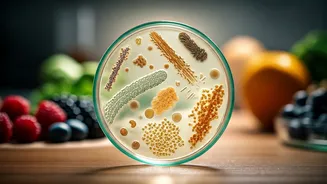
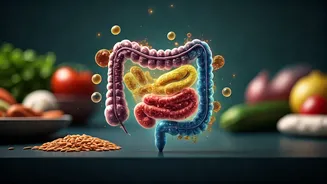
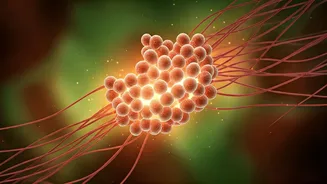
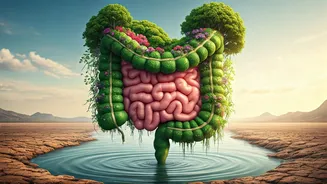
A little preparation can make all the difference in how your digestive system handles richer foods. The goal is to build a resilient gut. Start by incorporating probiotics, which are beneficial bacteria that support a healthy gut microbiome. Food sources
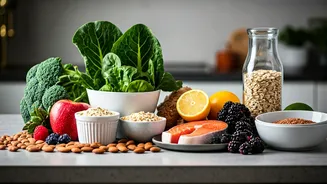
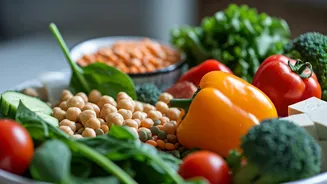
like plain yogurt (dahi), kefir, and buttermilk (chaas) are excellent choices. Pair them with prebiotics, which are types of fibre that feed these good bacteria. You can find prebiotics in everyday foods like onions, garlic, bananas, and whole grains. Staying well-hydrated is also crucial. Drinking plenty of water throughout the days leading up to a big event helps keep your digestive system running smoothly and can prevent constipation and bloating.
Smart Strategies at the Dining Table
When the feast is in front of you, mindful choices can prevent digestive distress. Don't arrive at a party starving, as this often leads to overeating. Having a small, high-protein snack a few hours before can help manage your hunger. Once at the table, eat slowly and chew your food thoroughly, which gives your brain time to recognize when you are full and reduces the amount of air you swallow. Portion control is your best friend; it’s better to sample small amounts of many dishes than to have large servings of a few. Try to balance rich, heavy dishes with lighter options like salads or steamed vegetables. Also, be mindful of what you drink. Sugary and carbonated beverages can increase gas and bloating, while alcohol can trigger acidity. Opt for water or herbal teas instead.
Navigating Common Digestive Triggers
Festive foods are often a perfect storm of digestive triggers: they're typically high in unhealthy fats, sugar, and spice. Deep-fried snacks like samosas and pakoras, rich gravies, and creamy desserts can slow down digestion, leaving you feeling heavy and bloated. Overeating these foods can cause the stomach to produce excess acid, leading to heartburn and reflux. Late-night eating is another common culprit, as lying down soon after a heavy meal can cause stomach acid to travel back up the oesophagus. You don’t have to avoid these foods entirely, but moderation is essential. If you know certain foods are your personal triggers, try to limit them or choose healthier preparations, like baked instead of fried.
A Gentle Post-Indulgence Recovery Plan
If you do overindulge, don’t resort to extreme fasts or detoxes, which can further stress your system. Instead, focus on gently resetting your gut. The day after a feast, prioritise hydration with warm water, perhaps with a slice of lemon, to help flush out toxins and aid digestion. Herbal teas containing ginger, peppermint, or fennel (saunf) can be very effective at calming an upset stomach and reducing gas. For meals, stick to light, nourishing foods like soups, khichdi, and steamed vegetables. Reintroduce probiotics like curd to help restore the balance of your gut bacteria. A short, light walk can also do wonders for stimulating digestion and relieving that heavy, sluggish feeling. Listening to your body and giving it simple, wholesome foods is the best way to recover.