








A Return to Roots
The monsoon season, or Varsha Ritu, has always been a time for specific dietary practices in India. According to Ayurveda, the digestive fire, or Agni, is weaker during this humid season, making the body more susceptible to infections. This has traditionally
guided Indian households to favour warm, light, and freshly cooked meals. Now, this age-old wisdom is witnessing a major comeback. More than just a passing trend, it represents a deeper shift towards wellness and embracing culinary heritage. People are consciously seeking out foods that not only taste good but also offer comfort and are believed to support immunity during the seasonal shift.
Immunity in a Cup: Herbal Brews
Long before trendy wellness shots, Indian kitchens had their own array of potent herbal drinks. The undisputed star of the monsoon is Kadha, a herbal decoction simmered with spices. A typical kadha includes ingredients like ginger, tulsi (holy basil), black pepper, cloves, and cinnamon, often sweetened with honey or jaggery. These spices are traditionally valued for their warming and antimicrobial properties. Ginger is known to aid digestion and fight flu symptoms, while turmeric, the 'golden healer', is prized for its anti-inflammatory compound, curcumin. Other popular beverages include soothing Haldi Doodh (turmeric milk) and fragrant teas infused with lemongrass, mint, or cardamom, perfect for a cosy evening.
The Comfort of a Spiced Meal
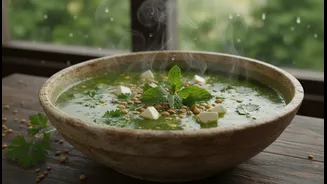
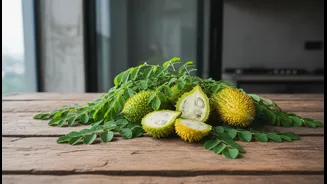
When it comes to meals, simplicity and digestive support are key. The quintessential monsoon dish across India is Khichdi. This one-pot meal of rice and lentils, typically moong dal, is light, easy to digest, and can be customised with seasonal vegetables and gentle spices like cumin and turmeric. Warm soups are another favourite. From the hearty Mulligatawny, a lentil-based soup, to the thin and fiery South Indian Rasam, these dishes provide warmth and nourishment. Spices play a crucial role, not just for flavour but for their perceived benefits. Black pepper is believed to enhance digestion, while cumin and coriander are known for their detoxifying properties. Meals often feature seasonal vegetables like bottle gourd (lauki) and bitter gourd (karela), which are considered light on the stomach.
Modern Palates, Ancient Flavours
This revival isn't just happening in homes. Cafes and restaurants are tapping into this trend, offering special monsoon menus that give a modern twist to traditional recipes. You might find a deconstructed Khichdi bowl, a gourmet turmeric latte, or artisanal chai blends featuring exotic spices. Even classic street food favourites get a monsoon makeover. While deep-fried pakoras remain an evergreen indulgence, there's a growing appreciation for lighter options like steamed momos and roasted corn on the cob (bhutta). This blend of the old and new shows that traditional flavours are not static; they are evolving to fit contemporary lifestyles while retaining their soul-soothing essence.