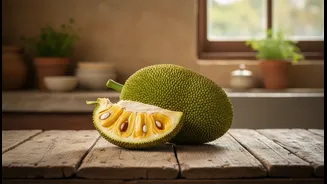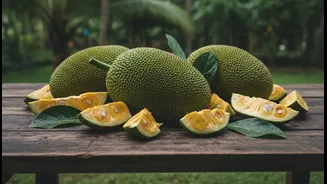








A Fruit with Deep Roots
For centuries, jackfruit has been an integral part of Indian cuisine and culture, with its origins traced back thousands of years to the Western Ghats. Known as 'Chakka' in Kerala and 'Panasa' in Telugu, it has long been a staple, especially in the southern
states. Traditionally, it was often considered a “poor man’s food,” a sustainable source of calories when other grains were scarce. Regional cuisines developed their own unique ways to prepare it, from hearty curries and pickles to sweet desserts. In North India, a flavourful kathal ki sabzi is a beloved classic, while in Kerala, dishes like Idichakka Thoran showcase its versatility. Despite its deep history, for a time the fruit's importance faded, often left to rot in backyards as incomes rose and tastes changed.
The Modern-Day Revival
So, what’s behind kathal’s recent return to the spotlight? A major factor is the global rise of plant-based eating. Vegans and vegetarians worldwide have discovered that unripe jackfruit has a uniquely fibrous, meat-like texture that beautifully absorbs spices. This has made it a popular substitute for pulled pork or chicken in everything from tacos to burgers. This Western trend has, in a way, helped India rediscover its own native ingredient. In 2018, Kerala even declared the jackfruit its official state fruit, signalling a renewed appreciation for its value. This has spurred a cottage industry of entrepreneurs turning the fruit into everything from flour and chips to ready-to-eat meals, reducing waste and creating new opportunities.
The Ultimate Culinary Chameleon
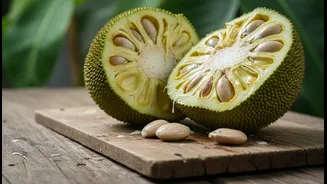
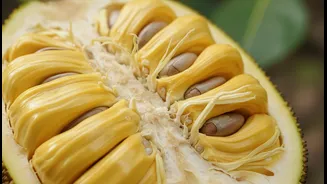
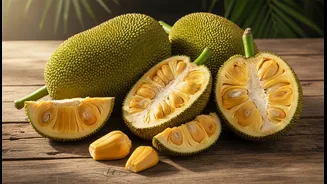
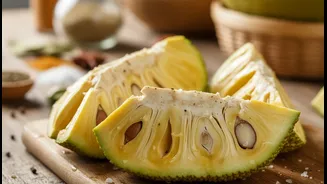
The magic of kathal lies in its incredible versatility, which depends on its stage of ripeness. When young and green, it has a neutral flavour and firm, stringy texture, making it the perfect canvas for savoury spices. This is the version used to make the famous Kathal Biryani, a vegetarian showstopper, or Kathal ke Kofte, which are rich and indulgent. It’s also used in dry preparations like Kathal Sukka in coastal Karnataka and spicy Andhra-style curries. As the fruit ripens, its flesh turns sweet, fragrant, and soft, with a flavour described as a mix of pineapple, mango, and banana. Ripe jackfruit is used in desserts like payasam or eaten on its own as a delicious fruit. Even the seeds are edible and nutritious, often roasted or boiled and added to curries.
More Than Just a Tasty Meal
Beyond its culinary appeal, jackfruit is a nutritional powerhouse. It is packed with nutrients like vitamin C, potassium, and both soluble and insoluble fibre, which aids digestion. The unripe fruit is noted for having a low glycemic index, which helps in managing blood sugar levels. The antioxidants present in jackfruit may help protect against inflammation and various chronic diseases. It's also a highly sustainable crop. Jackfruit trees are resilient, require little water or care, and are resistant to pests, making them an eco-friendly choice for farmers. As a zero-waste plant, its leaves can be used as animal fodder and its wood for furniture, embodying a circular and sustainable approach to agriculture.