

A Lighter, Modern Touch
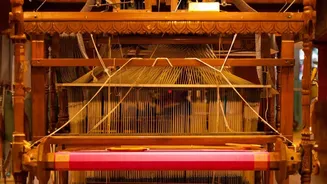
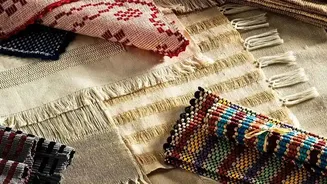
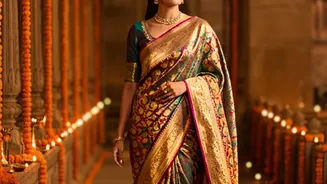
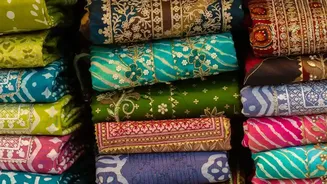
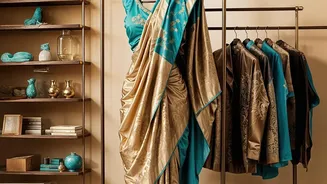
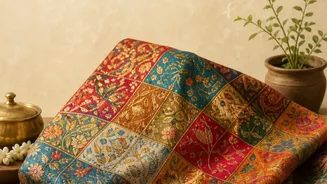
The transformation begins with the fabric itself. Weavers are experimenting with lighter blends that retain the essence of the original craft. For instance, the famously opulent Banarasi weave, once reserved for heavy silk sarees, is now being produced
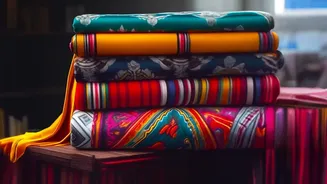
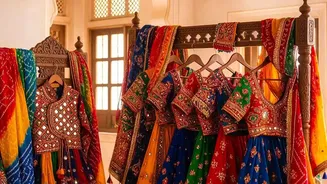
in more breathable blends like khadi chiffon, tissue silk, and organza. This makes the fabric suitable for more than just winter weddings. Similarly, Chanderi and Maheshwari textiles, known for their sheer and glossy textures, are being adapted with contemporary colour palettes. While classic reds and golds remain popular, there's a growing demand for pastels, muted tones, and modern colour-blocking, making the textiles more appealing for everyday luxury and a wider range of events.
Beyond The Saree
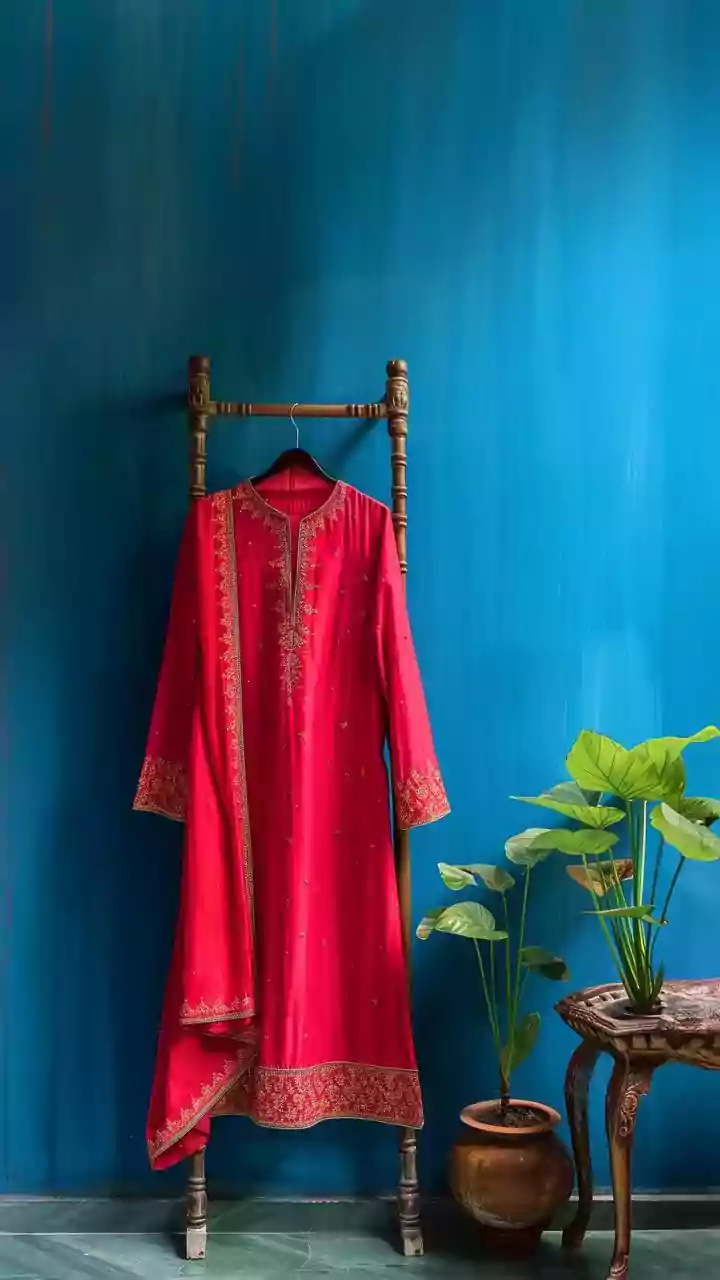
A key part of this evolution is moving beyond the traditional saree. Designers are now using these meticulously handwoven fabrics to create a variety of modern silhouettes. Festive textiles are being fashioned into structured blazers, elegant corsets, chic co-ord sets, and flowing dresses. A Banarasi silk blouse might be paired with tailored trousers for a sharp, formal look, or a handwoven jacket can be layered over a simple dress. This shift allows consumers to incorporate a piece of heritage into their wardrobe without committing to a full traditional ensemble. The goal is to make these beautiful textiles a part of modern life, transitioning seamlessly from a morning meeting to an evening celebration.
Weavers and Designers in Collaboration
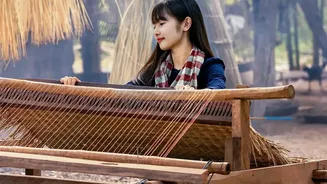
This movement is not about designers simply appropriating traditional crafts; it's rooted in genuine collaboration. Designers are working directly with weaving communities in clusters like Varanasi, Chanderi, and Kutch, ensuring that artisans are partners in the creative process. These collaborations provide weavers with insights into modern market demands—what colours, weights, and motifs will appeal to younger, urban consumers. In return, designers gain access to centuries-old skills and an authentic story. This partnership model ensures that the craft's integrity is preserved while its commercial viability grows, empowering artisans and helping to keep the looms active.
The Economic and Cultural Impact
The redesign of festive textiles has significant economic benefits. By creating products with contemporary appeal, weaving communities can tap into new and larger markets, both domestically and internationally. This diversification reduces dependency on a single product like the saree and provides more stable income streams for the approximately 3.5 million weavers in India, a majority of whom are women in rural areas. Culturally, this evolution is ensuring the survival of ancient crafts. By making handloom fashionable and aspirational for younger generations, it encourages them to see value in their heritage, not as a relic of the past, but as a living, breathing part of their modern identity.