





More Than Service: A Safety-First Profession
While providing excellent customer service is part of the job, a flight attendant's fundamental responsibility is the safety and security of everyone on board. Before they learn how to conduct a beverage service, trainees undergo weeks of intensive safety and emergency
procedure (SEP) training mandated by aviation authorities. This initial and recurrent annual training covers everything from aviation theory and regulations to passenger handling and communication. Their calm demeanour during turbulence or their meticulous pre-flight checks are all part of a deep-seated safety culture designed to manage the unexpected at 35,000 feet.
Masters of the 90-Second Evacuation
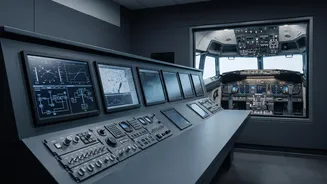
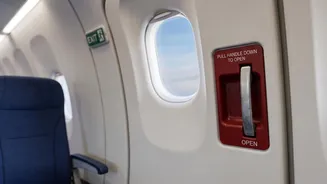
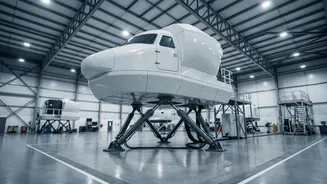
A core component of cabin crew training revolves around the '90-second rule'—an international aviation standard requiring that an aircraft can be fully evacuated within 90 seconds, even if only half the exits are usable. To achieve this, crew members practice relentlessly in realistic simulators. They learn to shout clear, loud, and repetitive commands like "Leave everything!" and "Come this way!" to cut through passenger panic. They are trained to operate heavy doors, assess whether an exit is safe from fire or other hazards, deploy emergency slides, and guide passengers out, all while managing potential chaos in smoke-filled or dark cabins. This is not improvisation; it is a highly drilled procedure where every second is critical.
In-Flight Firefighters and Medical Responders
An emergency doesn't always involve an evacuation. Cabin crew are trained as first responders for a range of in-flight crises. They undergo realistic fire and smoke drills, learning to use different types of fire extinguishers on actual controlled fires. They practice crawling through smoke-filled cabins to locate a fire's source and moving passengers away from danger. Furthermore, every crew member receives extensive medical training, including CPR, using an automated external defibrillator (AED), and administering first aid for conditions ranging from seizures and choking to heart attacks and even unexpected childbirth. While they will always ask if a doctor is on board, the crew are the first line of medical assistance.
Psychology and De-escalation Experts
Not all crises are mechanical. A significant part of modern cabin crew training focuses on human factors and conflict resolution. Known as Crew Resource Management (CRM), this training teaches crew members how to manage stress, communicate clearly with the cockpit, and work as a cohesive team. They are also trained to handle unruly or anxious passengers through de-escalation techniques, learning to identify warning signs early and defuse tense situations verbally. In rare cases where a passenger becomes a physical threat, the crew is trained in self-defence techniques adapted for the confined space of an aircraft and how to use restraining devices.
Constant Preparedness and Communication
A crew's safety duties begin long before passengers board. During the pre-flight briefing, the captain and cabin crew review flight plans, safety procedures, and potential issues. The lead flight attendant will often quiz the crew on emergency procedures and first aid questions to ensure their knowledge is sharp for that specific flight. During the flight, they remain vigilant, monitoring the cabin for any unusual sounds, smells, or behaviours. Their ability to assess a situation instantly, communicate effectively with the flight deck, and provide clear, authoritative instructions to passengers is what transforms a cabin crew from service providers into life-savers.