



From Stars to Salaries
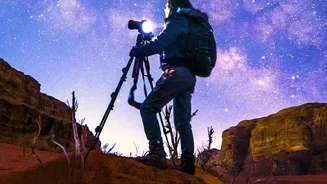
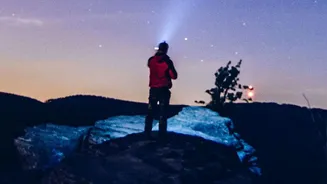
Astrotourism is travel for the specific purpose of stargazing, and it's fast becoming a powerful force for sustainable development in remote regions. In places with minimal light pollution, the celestial views are a valuable attraction. This niche tourism appeals
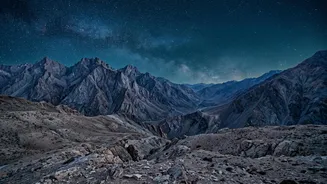
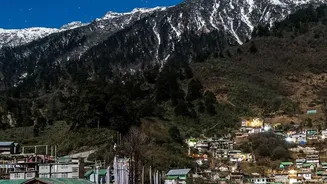
to travellers seeking unique, low-impact experiences. In India, high-altitude Himalayan regions like Ladakh and Spiti Valley, with their clear, dark skies, are becoming prime destinations for this growing trend. Unlike traditional tourism, which can sometimes strain local resources, astrotourism is built on preserving a natural asset: darkness. The model turns this conservation effort into direct economic benefits for communities that have historically had limited opportunities beyond agriculture and pastoralism.
Hanle: India's Celestial Crown Jewel
The heart of India's astrotourism boom is the Hanle Dark Sky Reserve in Ladakh, the country's first officially designated dark-sky area. Established in 2022, this reserve, located at an altitude of 4,500 metres, protects one of the most pristine skies on Earth for both scientific research and tourism. The initiative is a collaboration between the Indian Institute of Astrophysics (IIA), the local administration, and the community. To protect the exceptional sky quality, which boasts a top-tier Bortle 1 rating for darkness, measures like distributing special blackout curtains and regulating vehicle headlights are in effect. This protection is crucial for the nearby Indian Astronomical Observatory, but it has also unlocked a new economic reality for the residents of Hanle's six hamlets.
A New Generation of 'Astronomy Ambassadors'
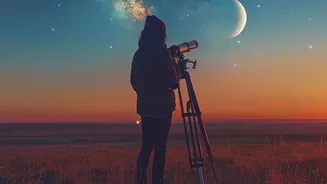
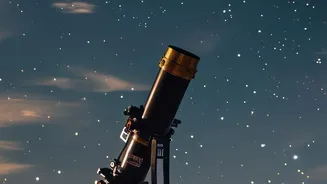
The core of Hanle's success lies in its community-centric approach. Dozens of local villagers, many of them women, have been trained to become 'Astronomy Ambassadors'. Equipped with high-powered telescopes and training from scientists, these guides lead stargazing sessions for tourists, sharing both scientific knowledge and local celestial folklore. This has created a new, respected profession that provides a decent income, encouraging young people who might have otherwise left for city jobs to stay. The growth has been tangible: the number of homestays in the area has surged from just a handful to over 40, catering to the thousands of visitors drawn by the stars. This 'Astrostay' model ensures that tourism revenue flows directly into the local economy, funding everything from household income to community infrastructure like solar water heaters.
More Than Just Economic Gains
The benefits of astrotourism extend beyond financial gain. The movement is fostering a renewed sense of community pride and reconnecting younger generations with their heritage. Elders, who once used the stars for navigation and timekeeping, are now sharing this traditional knowledge with the new astro-guides. Furthermore, the model champions female empowerment, with women forming a significant majority of the trained ambassadors, giving them a new role in the local economy and household finances. By making science accessible and linking it to livelihood, the initiative is also boosting scientific temperament and education in local schools, with projects underway to revive astronomy labs and incorporate traditional knowledge into the curriculum.
The Future is Bright (and Dark)
The success of Hanle is providing a blueprint for other regions in India. Areas in Spiti Valley, Uttarakhand, and even parts of the Western Ghats in Coorg are being explored and developed as astrotourism destinations. The Himachal Pradesh government, for instance, has also supported training for local entrepreneurs and distributed telescopes. While challenges remain, including the need for robust governance to manage light pollution and ensure benefits are shared equitably, the path is clear. Astrotourism presents a powerful, sustainable model where protecting the environment and empowering local communities go hand-in-hand. It is a reminder that sometimes, the most valuable resource is the one that has been lighting up our skies all along.