






The Modern Storyteller’s Toolkit
Prompt-based story creators are AI-powered tools that write stories for you based on instructions, or 'prompts'. Think of them as a creative partner that can help turn your ideas into a complete narrative. Many of these platforms, like Story Spark or Childbook.ai,
are designed to be user-friendly, requiring no technical skill. They can generate text, create illustrations, and even format everything into a book you can print. The magic lies in their ability to take personal details—names, places, inside jokes—and weave them into a polished story. You are not just creating a book; you are preserving memories.
Gathering Your Family’s Mythology
Every family has a mythology—a collection of stories that define it. Before you start writing with AI, you must first gather these tales. This is the heart of your project. Sit down with elders and ask them about their childhoods. Collect the funny, the heroic, the quirky, and the memorable anecdotes that are told at every family gathering. What’s the story behind a grandparent’s journey, a funny mishap on a family trip, or how your parents met? Don't just collect facts; ask for feelings and descriptions. These details transform a simple anecdote into a legend. Frame these events as the founding myths of your family's unique world.
Choosing the Right Digital Quill
The market is full of AI tools, from general-purpose chatbots to specialised book creators. Some platforms are designed specifically for creating illustrated children's books and may even allow you to create a character based on a photograph. Others, like NovelAI or Sudowrite, offer more advanced controls for tone and style, which are great for longer narratives. When choosing, look for features that fit your vision. Do you need illustration generation? Do you want to export a print-ready file? Many services offer free trials, so you can experiment to find the one that feels most intuitive for you.
Crafting the Perfect Prompt
The quality of your AI-generated story depends almost entirely on the quality of your prompts. Simply asking to “write a story” will yield generic results. You need to be specific. A great prompt has four key ingredients: persona, task, context, and format. For example, instead of “Write about my grandfather,” try: “Act as a warm, folksy storyteller. Write a 500-word short story for a family audience about a boy named Ashok who moved from a small village to the big city in the 1960s. The tone should be hopeful and a little bit nostalgic. The story should end with him starting his first business. Format it into five paragraphs.” Providing examples and clear constraints will guide the AI to produce something that truly reflects your vision.
Bringing the Story to Life with Illustrations
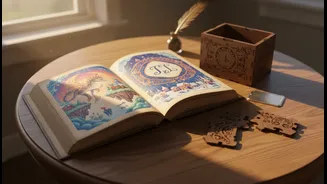
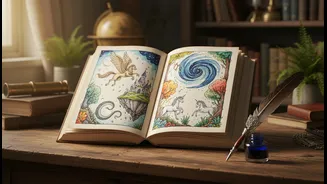
A picture is worth a thousand words, and many story creator tools can now generate illustrations to match your text. Just as with text prompts, your instructions for images should be detailed. Specify the artistic style you want, such as 'watercolor painting', 'pencil sketch', or 'vibrant cartoon'. To ensure consistency, describe the characters' appearances in each prompt (e.g., “a girl with a red scarf and glasses”). This will help the AI create a cohesive visual narrative throughout the book, making the final product look professional and magical.
From Digital File to Family Heirloom
Once the AI has generated the text and images, your work as an editor begins. AI is a fantastic assistant, but the final story needs your human touch. Read through, refine the language, correct any mistakes, and add personal details the AI might have missed. After editing, you can lay out the pages using software like Canva. For the final step, you can use a Print-on-Demand (POD) service. Companies in India like Pothi.com or Printster allow you to upload your file and print a single, high-quality hardcover or paperback book at an affordable price, with no minimum order. This transforms your digital creation into a physical treasure that can be unwrapped and cherished.