

Why Proper Washing Is Non-Negotiable
We often bring home fresh, vibrant vegetables with the best intentions. However, from the farm to your kitchen, produce can be exposed to various contaminants, including soil, germs, and pesticide residues. Illnesses can arise from consuming contaminated
food. Thoroughly washing fresh produce is a critical step in ensuring the food you serve is safe. Before you even begin washing the vegetables, it is important to wash your hands with soap and water. Similarly, ensure that your countertops, cutting boards, and utensils are clean to prevent cross-contamination. Even vegetables with inedible skins, like melons or avocados, should be washed before cutting to prevent transferring surface contaminants to the edible portion inside.
A Simple Guide to Cleaning Vegetables
There is no single method that removes all residues, but some simple techniques are highly effective. For most vegetables, rinsing and gently rubbing them under clean, running tap water is a great start. For firm produce like potatoes, carrots, and cucumbers, using a clean vegetable brush can help remove stubborn dirt. For leafy greens like spinach or cabbage, it's best to discard the outer leaves first. You can then soak the leaves in a bowl of cold water for a few minutes to loosen any grit. Some studies suggest that soaking vegetables in a solution of water and baking soda (about one teaspoon of baking soda per cup of water) or vinegar (one part vinegar to three parts water) for 5-15 minutes can be more effective at reducing certain pesticide residues than water alone. After soaking, always rinse the produce under running water to wash away any remaining residue and the taste of the cleaning agent.
Don't Discard Those Peels
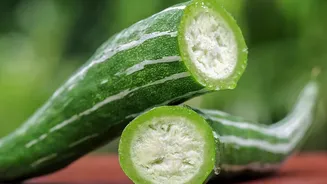
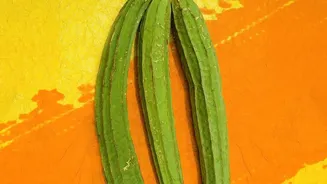
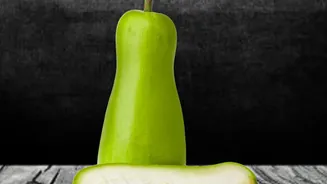
In our quest for a zero-waste kitchen, it's worth looking at what we commonly throw away. Vegetable peels are often packed with nutrients. The peel of the humble bottle gourd, or lauki, is a perfect example. Rich in fibre, vitamins, antioxidants, and minerals, the peel supports good digestion and overall health. Research has highlighted that bottle gourd peels contain valuable bioactive compounds and can be a great source of dietary fibre. Instead of tossing them, you can transform these peels into a delicious and nutritious dish. This practice is not only sustainable but also adds an extra layer of flavour and nutrition to your meals. Many parts of India have traditional recipes that utilize the entire vegetable, including the peels and leaves.
Recipe: Crispy Bottle Gourd Peel Kebabs
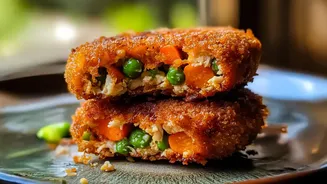
This recipe turns what is often considered kitchen waste into a mouth-watering snack that even picky eaters will enjoy. It's a testament to how creative cooking can be both healthy and economical. These vegetarian kebabs are crispy on the outside and soft on the inside, making for a perfect evening snack or party appetiser.
Ingredients for the Kebabs
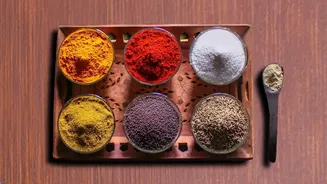
Here is what you will need: about two cups of peels from one medium bottle gourd, thoroughly washed; one cup of gram flour (besan) for binding; one small onion, finely chopped; two green chillies, finely chopped; a handful of fresh coriander leaves, chopped; one teaspoon of ginger-garlic paste; half a teaspoon of turmeric powder; half a teaspoon of red chilli powder; half a teaspoon of garam masala; salt to taste; and oil for shallow frying.
Method: Step-by-Step
First, finely chop the washed bottle gourd peels. You can briefly boil or steam them for a few minutes until they become tender, which helps in creating a softer texture. Once done, squeeze out all the excess water thoroughly; this is a critical step to ensure your kebabs are not soggy. In a large bowl, combine the squeezed peels with the besan, chopped onion, green chillies, coriander, ginger-garlic paste, and all the powdered spices. Mix everything well to form a firm dough-like mixture. If the mixture feels too wet, you can add a little more besan. Let the mixture rest for about 10 minutes for the flavours to meld. Now, take small portions of the mixture and shape them into round or flattened kebab patties. Heat a non-stick pan or tawa with a little oil over medium heat. Place the kebabs on the pan and cook them, turning occasionally, until they are golden brown and crispy on both sides. Frying on a medium-low flame ensures they cook through evenly.