







The Inescapable Rise of the AC
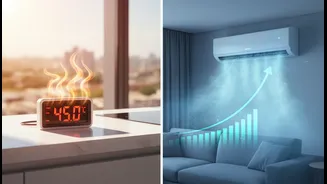
In India, cooling is no longer just about comfort; it's about survival. With temperatures shattering records and heatwaves becoming longer and more brutal, millions are turning to the quickest solution: the air conditioner. What was once an aspirational
good is now seen by many as essential for health and productivity. Market projections are staggering, with expectations of AC ownership jumping from less than 15% of households today to nearly 50% by 2037. This surge is fueled by rising incomes and rapid urbanisation, creating one of the fastest-growing AC markets in the world. The hype focuses on this being a massive consumer growth story, but this explosive demand comes with consequences that are often overlooked in the rush for relief.
Defining the 'Home Cooling Trap'
The 'cooling trap' is a dangerous feedback loop. It has three main components. First, there's the immense strain on the electricity grid. On hot days, ACs can already account for a quarter of India's peak electricity demand. This can lead to power shortages, with some studies warning of potential blackouts as early as 2028 if trends continue. Second is the environmental cost. Cooling systems consume vast amounts of electricity, which in India is still largely generated by fossil fuels, increasing CO2 emissions. They also use refrigerant gases (HFCs) that are potent greenhouse gases if they leak. Third is the issue of equity. While many are buying ACs, hundreds of millions still cannot afford them, creating a stark divide between those who can stay cool and those dangerously exposed to extreme heat.
Beyond the Hype of a Sales Boom
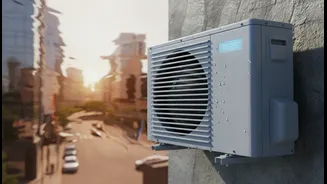
The narrative of a simple 'AC boom' is dangerously incomplete. It celebrates market growth while ignoring the systemic risks. The hype frames cooling as an individual purchase, a problem solved by a single appliance. This perspective misses the enormous public cost: the need for massive investment in new power plants and grid infrastructure to meet fleeting, seasonal peaks in demand. It also papers over the fact that more ACs can worsen the Urban Heat Island effect, where machines pump hot air onto already scorching city streets, making the outdoors even more unbearable for everyone else. Focusing only on sales figures is like celebrating the speed of a train without checking if the tracks ahead are finished.
The Context We're Missing: A Smarter Path
A more contextualised conversation acknowledges the challenge while looking for smarter solutions. The Indian government has already recognised this with the India Cooling Action Plan (ICAP), launched in 2019. This forward-thinking plan aims to reduce cooling demand by 20-25% and energy requirements by 25-40% by 2037-38. The focus is on a multi-pronged approach that goes beyond just selling more ACs. The key levers include promoting highly energy-efficient appliances through stricter standards, expanding sustainable cold chains, and, crucially, reducing the need for mechanical cooling in the first place through better urban and building design.
Embracing a Cooler Future
Escaping the cooling trap requires a shift in mindset from active cooling to passive design. This means prioritising architectural solutions like natural ventilation, cool roofs, better insulation, and strategic shading in new construction. For existing buildings, simple and affordable upgrades can make a significant difference. At a city level, increasing green cover and water bodies can lower ambient temperatures. There is also a push for innovative, low-energy technologies like geothermal or district cooling systems. The solution isn't to deny people access to cooling, but to build a system where the default option is sustainable, efficient, and accessible to all, not just a privileged few.