






Why Your Gut Is Vulnerable
The magic of the monsoon—cool air, high humidity, and dampness—unfortunately creates a perfect breeding ground for bacteria and viruses. [6, 8] This increases the risk of water and food contamination, from your local market to your kitchen. [4] Furthermore,
our digestive system tends to become more sluggish during this season, making it harder to break down heavy meals and leaving us susceptible to issues like bloating, acidity, diarrhoea, and indigestion. [2, 16] Ayurveda refers to this as a weakened digestive fire, or 'Agni'. [9, 12] This combination of external risks and internal slowdown is why your gut needs extra support.
The Gut-Friendly Monsoon Arsenal
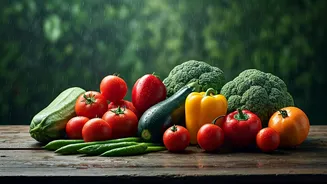
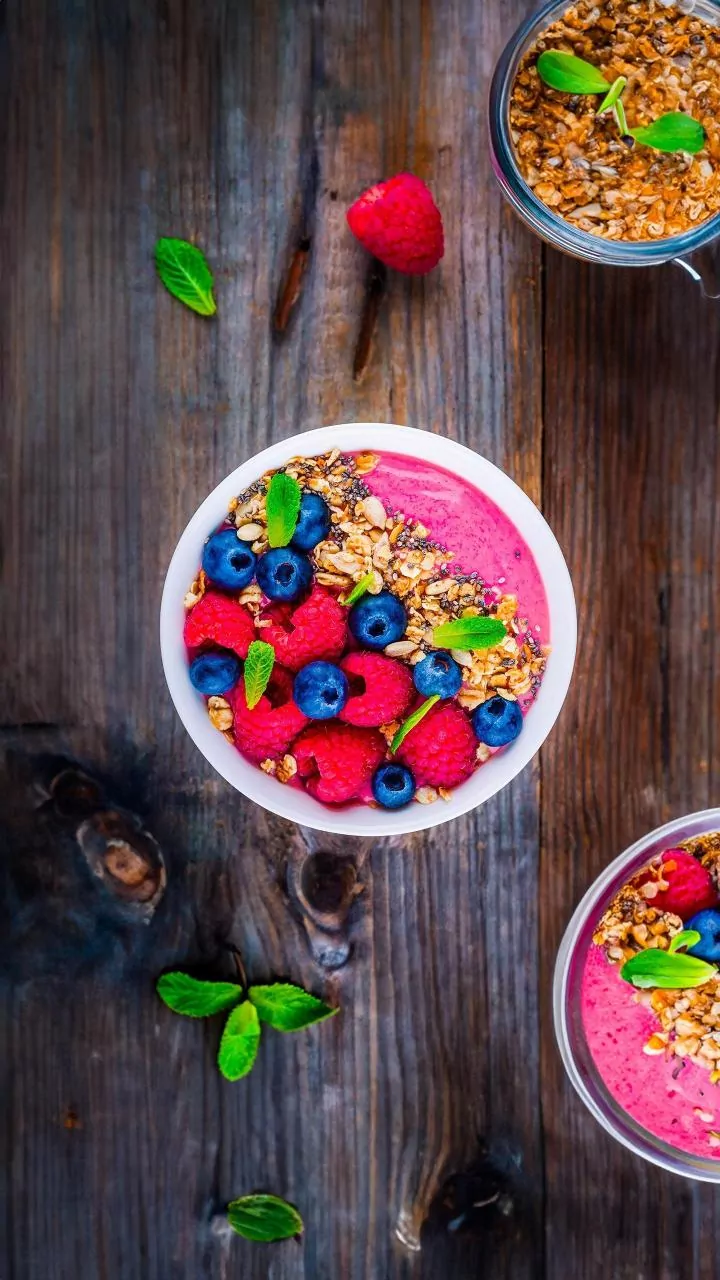
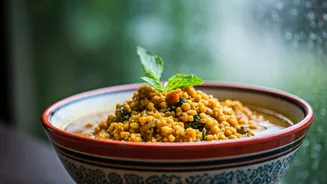
The key is to opt for light, warm, and freshly cooked meals. Think of comforting, easy-to-digest foods. Soups, stews, and steamed vegetables are your best friends. [5, 15] A classic khichdi, made from rice and lentils, is an excellent choice that’s gentle on the stomach. [1, 16] Incorporate spices with antimicrobial and digestive properties like ginger, turmeric, cumin, and garlic into your cooking. [15, 20] Probiotic-rich foods like homemade curd (yoghurt) and buttermilk help maintain a healthy balance of gut bacteria, which is your first line of defence against infections. [3, 15] For fruits, opt for seasonal choices like pomegranates, apples, and pears, but ensure they are washed thoroughly. [3, 15]
The 'No-Flex' Zone: Foods to Avoid
While that street-side plate of pakoras might be calling your name, it's a call you should probably ignore. Street food, often prepared in unhygienic conditions with questionable water sources, is a primary culprit for monsoon illnesses. [18, 19] It's also wise to limit or avoid raw foods, especially pre-cut salads and fruits from outside vendors, as they can carry harmful microbes. [2, 17] Even healthy leafy greens can be risky during this season due to the dirt and germs they might carry from waterlogged soil; if you do eat them, make sure they are exceptionally well-washed and thoroughly cooked. [18, 21] Heavy, oily, and fried foods are also harder to digest and can lead to bloating and discomfort. [7, 15]
Smart Hydration Hacks
Staying hydrated is crucial, but the source of your water matters more than ever. Always drink boiled, filtered, or purified water to avoid waterborne diseases. [3, 14] This is not the season for ice from unknown sources or chilled drinks that can shock your digestive system. [7, 18] Instead, embrace warm beverages. Herbal teas made with ginger, tulsi (holy basil), or mint are soothing, aid digestion, and can help boost immunity. [1, 15] Warm soups and broths are also excellent ways to stay hydrated while getting a dose of nutrients. [9]
Lifestyle Tweaks for a Happy Gut
Beyond your plate, a few lifestyle adjustments can make a big difference. Practice mindful eating: eat slowly, chew your food thoroughly, and avoid overeating. [5] Light physical activity, like walking or yoga, can aid digestion and improve gut motility. [3] Ensure good food hygiene at home by washing all fruits and vegetables thoroughly, even if you plan to cook them. [2] Avoid storing leftovers for too long, as food spoils faster in humid weather. [8] Simple precautions are the foundation of a healthy monsoon experience.