





Beyond the Final Frontier
For decades, ‘space diplomacy’ was about big-picture politics: nations cooperating on landmark projects like the International Space Station to build trust and demonstrate technological prowess. This collaboration remains vital, fostering scientific advancement
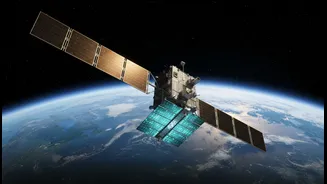
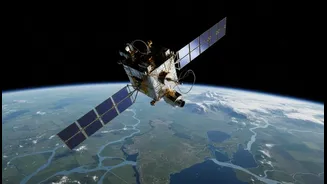
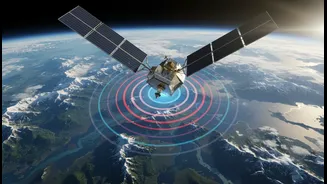
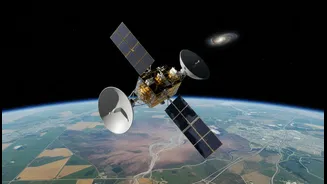
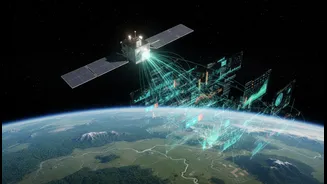
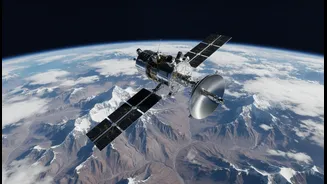
and strengthening international ties. However, a more practical and grounded form of space diplomacy is now taking centre stage. It revolves around remote sensing—the science of gathering information about the Earth from a distance using satellites. These partnerships are less about grand gestures and more about sharing data that has profound, real-world applications. By pooling their 'eyes in the sky,' countries can monitor environmental changes, manage resources, and protect their populations more effectively than they ever could alone.
Eyes in the Sky, Boots on the Ground
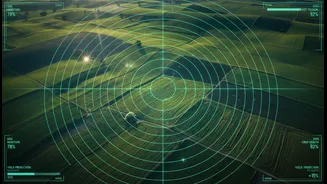
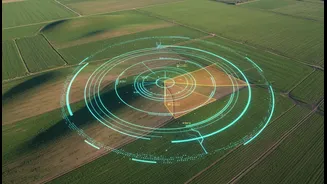
So, how does satellite data translate into everyday benefits? Remote sensing provides crucial information for a vast range of activities. In agriculture, satellite imagery helps monitor crop health, assess soil moisture, and predict yields, enabling farmers to use water and fertilizers more efficiently. For disaster management, it's a game-changer. Satellites can track cyclones, map flood inundation in near real-time, and identify areas vulnerable to landslides, giving authorities critical lead time to issue warnings and plan emergency responses. This technology also supports urban planning by monitoring city growth, managing infrastructure, and assessing environmental quality. By sharing the costs and data from these complex satellite systems, countries make these vital services more accessible and powerful for everyone.
India’s Collaborative Orbit
The Indian Space Research Organisation (ISRO) has long been a proponent of using space technology for national development and international cooperation. India's robust remote-sensing satellite constellations, like the Resourcesat and Cartosat series, are cornerstones of the country's planning infrastructure. But ISRO also actively partners with other space agencies to enhance its capabilities. The Indo-French missions MEGHA-TROPIQUES and the upcoming TRISHNA, for example, focus on studying tropical weather patterns and monitoring water resources, which are crucial for understanding India's monsoons and managing agriculture. Another landmark project is the NISAR satellite, a joint mission between NASA and ISRO set to provide unprecedented detail on ecosystem changes, ice-sheet melting, and natural hazards. These collaborations not only bring in technical expertise but also align with India's diplomatic goal of using space for peaceful, sustainable development.
From a Farmer's Field to a Disaster Zone
The practical impact of this data-sharing is tangible. For an Indian farmer, data from a collaborative weather satellite can inform decisions about when to sow seeds or how much to irrigate, boosting resilience against unpredictable weather. When a cyclone approaches the coast, data shared through international charters like the International Charter for Space and Major Disasters—of which ISRO is a member—provides emergency managers with comprehensive maps of the affected areas, helping to direct rescue and relief efforts more effectively. Launched in 2017, the South Asia Satellite is a prime example of India's 'neighbourhood-first' approach to space diplomacy, offering communication and disaster management services to neighbouring countries. This shows that the benefits of space cooperation aren't just national; they are regional and humanitarian.
The Next Orbit of Cooperation
The future of space diplomacy lies in deepening these practical collaborations. As challenges like climate change, resource scarcity, and food security become more acute, the need for reliable, global data will only grow. International partnerships allow for the creation of more sophisticated monitoring systems and ensure that data is shared widely, especially with developing nations that may not have their own satellite capabilities. By framing space cooperation around solving shared earthly problems, nations can build trust and create a system of global governance for space that is based on mutual benefit. The focus is shifting from competition to a collective understanding that our interconnected problems require interconnected solutions, powered by technology that orbits above us all.