





A Celestial Spectacle Arrives
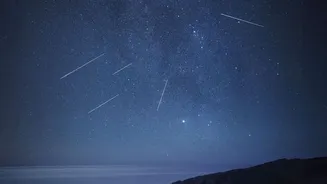
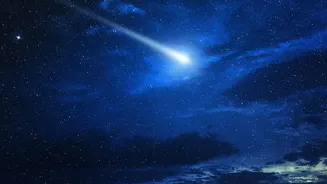
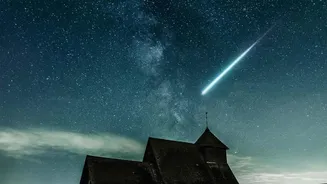
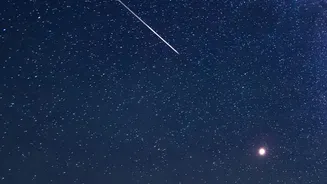
August is a special time for skywatchers in the Northern Hemisphere. The annual Perseid meteor shower, known for its bright and plentiful meteors, is set to peak on the night of August 12-13, 2026. This year is particularly promising as the peak coincides
with a new moon, ensuring the sky is as dark as possible and making it easier to spot the fainter streaks of light. Observers can expect to see up to 100 meteors per hour under ideal conditions. The shower is active from mid-July to late August as Earth passes through the debris trail left by Comet Swift-Tuttle. For viewers in India, the best time to watch is in the pre-dawn hours of August 13, between 2:00 AM and 4:30 AM IST, when the shower's radiant point is high in the sky.
The Altitude Advantage
The primary reason enthusiasts seek higher ground is to escape the densest layers of Earth's atmosphere. At sea level, the thick air is turbulent and often contains dust, moisture, and pollutants. This atmospheric soup can scatter and dim starlight, reducing the clarity and brilliance of celestial objects. By ascending to altitudes of 3,000 meters or more, you are physically placing yourself above a significant portion of this disruptive atmospheric blanket. The air is thinner and drier, leading to enhanced transparency and stability, a condition astronomers call good 'seeing'. This results in sharper stars, more defined constellations, and a darker background sky, allowing the faint, fleeting light of a meteor to shine through vividly.
Escaping the Glow of Modern Life
Equally important is the escape from light pollution. The pervasive glow from cities and towns can wash out the night sky, rendering all but the brightest stars and planets invisible. This artificial skyglow is a significant obstacle for viewing meteor showers, which are characterized by faint, quick streaks of light. High-elevation outposts are almost always in remote areas, far from the light domes of urban centres. This natural darkness is crucial for your eyes to become fully dark-adapted, a process that can take 20-30 minutes and allows you to perceive much fainter objects. In these pristine dark sky locations, the Milky Way can become so bright it casts a faint shadow, a sight city dwellers rarely experience.
India's Premier High-Altitude Observatories
For those serious about their stargazing, India offers several world-class high-altitude destinations. These locations are often situated in rain-shadow regions, which means they are shielded from monsoon clouds that can obscure the sky elsewhere in August.
Hanle, Ladakh: The Crown Jewel
At an elevation of 4,500 meters, Hanle in Ladakh is home to India's first designated Dark Sky Reserve. Its location in the rain-shadow of the Himalayas ensures over 300 clear nights a year, with exceptionally dry and stable atmospheric conditions. This makes it a hub for professional astronomy, hosting the Indian Astronomical Observatory. For amateur stargazers, Hanle offers an unparalleled experience. The village has embraced astro-tourism, with local homestays trained to cater to skywatchers by minimizing light and offering guidance. The near-total absence of light pollution means the Milky Way is visible in breathtaking detail, and meteor showers appear incredibly active.
Spiti Valley, Himachal Pradesh: A Cold Desert Canvas
Spiti Valley, with an average altitude of around 4,000 meters, is another top-tier destination for stargazers. Like Ladakh, it is a high-altitude cold desert with minimal rainfall and light pollution, providing a pristine canvas for the night sky. Villages such as Kaza, Kibber, and Langza are renowned for their dark skies and are popular bases for astrophotography and viewing. During the summer months, from May to October, the weather is more accessible for travel, and the clear, crisp air offers magnificent views of celestial events. The combination of towering Himalayan peaks and a star-filled sky creates a truly immersive and unforgettable experience.
The High Reaches of Uttarakhand
While light pollution is a growing concern, the higher reaches of Uttarakhand still offer excellent stargazing opportunities. Places like Kausani and Mukteshwar, situated away from the larger towns, provide elevated vantage points. Scientists and astronomers have sought refuge in even more remote areas like Devasthal, which hosts Asia's largest optical telescope, testament to the region's dark sky potential. For casual observers, finding a spot away from the main hill stations can yield rewarding views, especially when looking for a destination more accessible than Ladakh or Spiti.