



An End to the Annual Booking Scramble
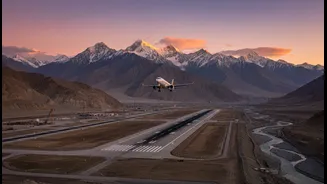
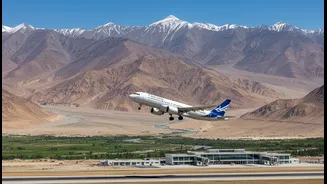
For years, planning a trip to Ladakh has been a competitive sport. Limited flights to its high-altitude Kushok Bakula Rimpochee Airport (IXL) meant that airfares would skyrocket during the short tourist season, and seats would sell out months in advance.
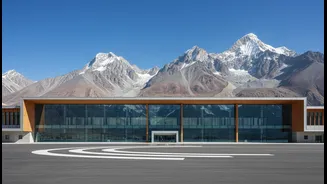
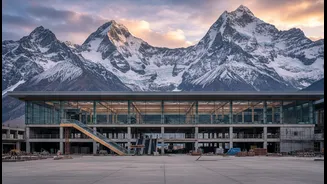
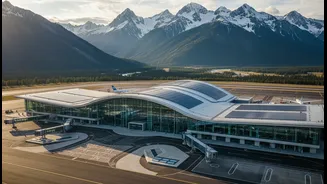
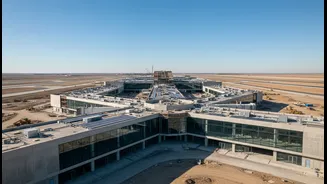
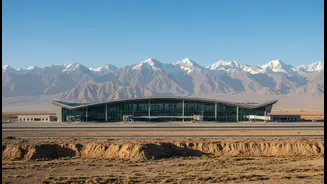
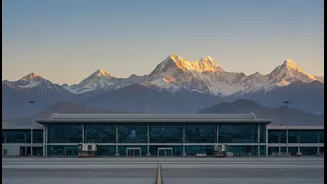
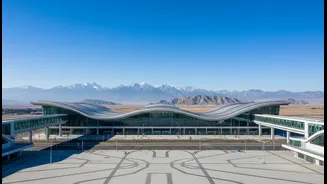
This bottleneck has been a long-standing point of frustration for travellers and a concern for local tourism operators. However, a game-changing development is on the horizon. A new, state-of-the-art integrated terminal building is nearing completion and is expected to be inaugurated as early as July 2026. As of early July 2026, the project was reported to be 83% physically complete, marking a major milestone in improving connectivity to this strategic and breathtakingly beautiful region.
What the New Terminal Means for Travellers
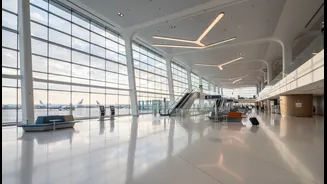
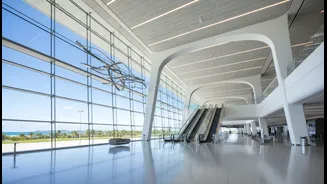
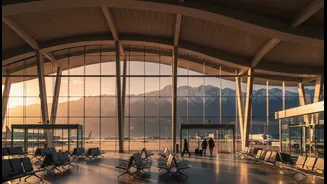
The scale of this expansion is transformative. Once fully operational, the new terminal will dramatically increase the airport's capacity. It is designed to handle up to 54 flights a day, a threefold increase from the current 18. The annual passenger capacity is projected to jump from around 1.5 million to 3.5 million. For you, the traveller, this translates into tangible benefits. A tripling of flight handling capacity means more airlines, more routes, and most importantly, more available seats. This increased supply is expected to introduce greater competition among airlines, which could help stabilise the notoriously volatile airfares, especially during peak season. The new terminal will also feature modern amenities like 18-20 check-in counters, aerobridges, and advanced baggage systems, promising a much smoother and more comfortable passenger experience at one of the world's highest airports.
A Boost for Ladakh's Tourism
This infrastructure upgrade is arriving at a crucial time. After a difficult few years marked by various disruptions that led to a decline in tourist arrivals in 2025, the region is poised for a rebound. In early 2026, even before the new terminal's opening, flight operations were already increased from 8 to 18 per day to support the peak season and major cultural events. Local stakeholders, from hotel owners to tour operators, have long highlighted limited flight capacity as a major hurdle. The new terminal directly addresses this concern, with officials anticipating that the enhanced connectivity will be a major catalyst in boosting tourist footfall, supporting local livelihoods, and solidifying Ladakh's position as a premier travel destination.
Planning Your Trip in this New Era
While the new airport capacity will make booking flights easier, planning a trip to Ladakh still requires careful consideration. The high altitude (Leh is at 10,682 feet) necessitates acclimatisation for a few days upon arrival to avoid acute mountain sickness. The increased accessibility doesn't change this fundamental rule of high-altitude travel. Though booking flights may become less of a last-minute scramble, you should still plan your accommodation and internal travel, especially if visiting popular sites like Pangong Tso or Nubra Valley, well in advance. The new terminal will be constructed in two phases; after the new building becomes operational, the old one will be demolished to make way for more aircraft bays. This phased approach ensures that airport operations continue without interruption, but it signals that the full benefits will be realised over time.
A Greener Gateway to the Himalayas
Beyond just capacity, the new terminal is a model of sustainable design. It is set to be India's first airport to be powered by a hybrid of geothermal and solar energy. The building will use geothermal technology for its heating and cooling systems, a pioneering effort on such a large scale in the country. This eco-conscious approach is a fitting tribute to the fragile and pristine environment of Ladakh. Travellers can soon begin their adventure in a terminal that not only provides modern comforts but also respects the unique ecology of the landscape it serves, making the journey to this Himalayan wonderland more accessible and responsible than ever before.